
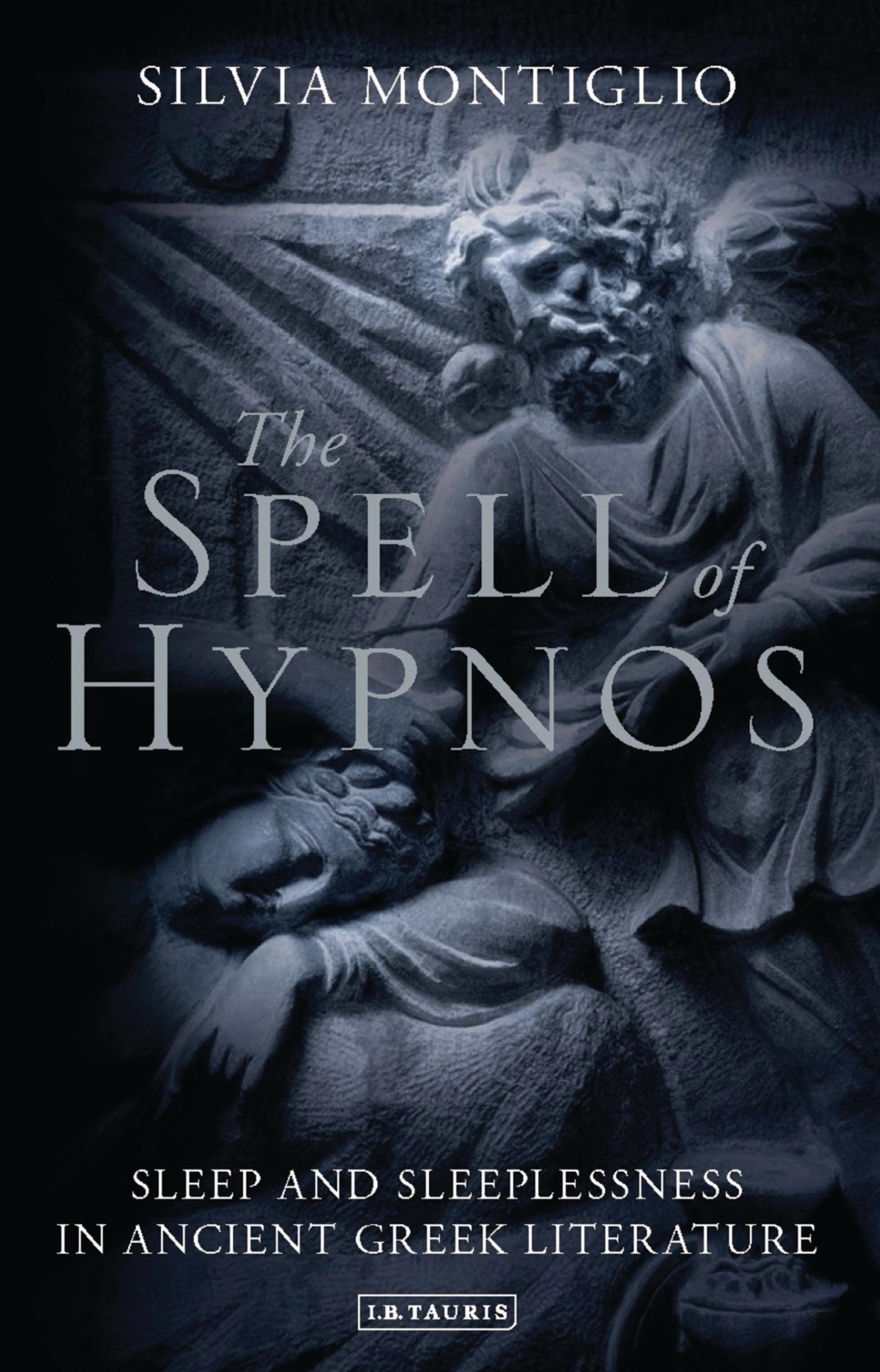
Sleep was viewed as a boon by the ancient Greeks: sweet, soft, honeyed, balmy, care-loosening, as the Iliad has it. But neither was sleep straightforward, nor safe. It could be interrupted, often by a dream. It could be the site of dramatic intervention by a god or goddess. It might mark the transition in a narrative relationship, as when Penelope for the first time in weeks slumbers happily through Odysseus' vengeful slaughter of her suitors. Silvia Montiglio's imaginative and comprehensive study of the topic illuminates the various ways in which writers in antiquity used sleep to deal with major aspects of plot and character development. The author shows that sleeplessness, too, carries great weight in classical literature. Doom hangs by a thread as Agamemnon - in Iphigenia in Aulis - paces, restless and sleepless, while around him everyone else dozes on. Exploring recurring tropes of somnolence and wakefulness in the Iliad, the Odyssey, Athenian drama, the Argonautica and ancient novels by Xenophon, Chariton, Heliodorus and Achilles Tatius, this is a unique contribution to better understandings of ancient Greek writing.
Płać wygodnie kartą, Klarną, Apple Pay lub Google Pay. Nie jesteś zadowolony? Zawsze masz 14-dniową gwarancję zwrotu pieniędzy. Więcej przeczytasz w naszych warunkach. Masz pytania? Napisz do nas na hello@memmo.org.
Memmo ułatwia naukę – gdziekolwiek jesteś na świecie. U nas znajdziesz podręczniki i sprytne narzędzia do nauki w jednym miejscu: streszczenia, quizy, podcasty i fiszki. A do tego Ted, Twój kumpel do nauki, który odpowie na wszystko, co Cię nurtuje. Ponad 50 000 studentów już tu się uczy – stworzone, byś uczył się szybciej i mniej stresował.