
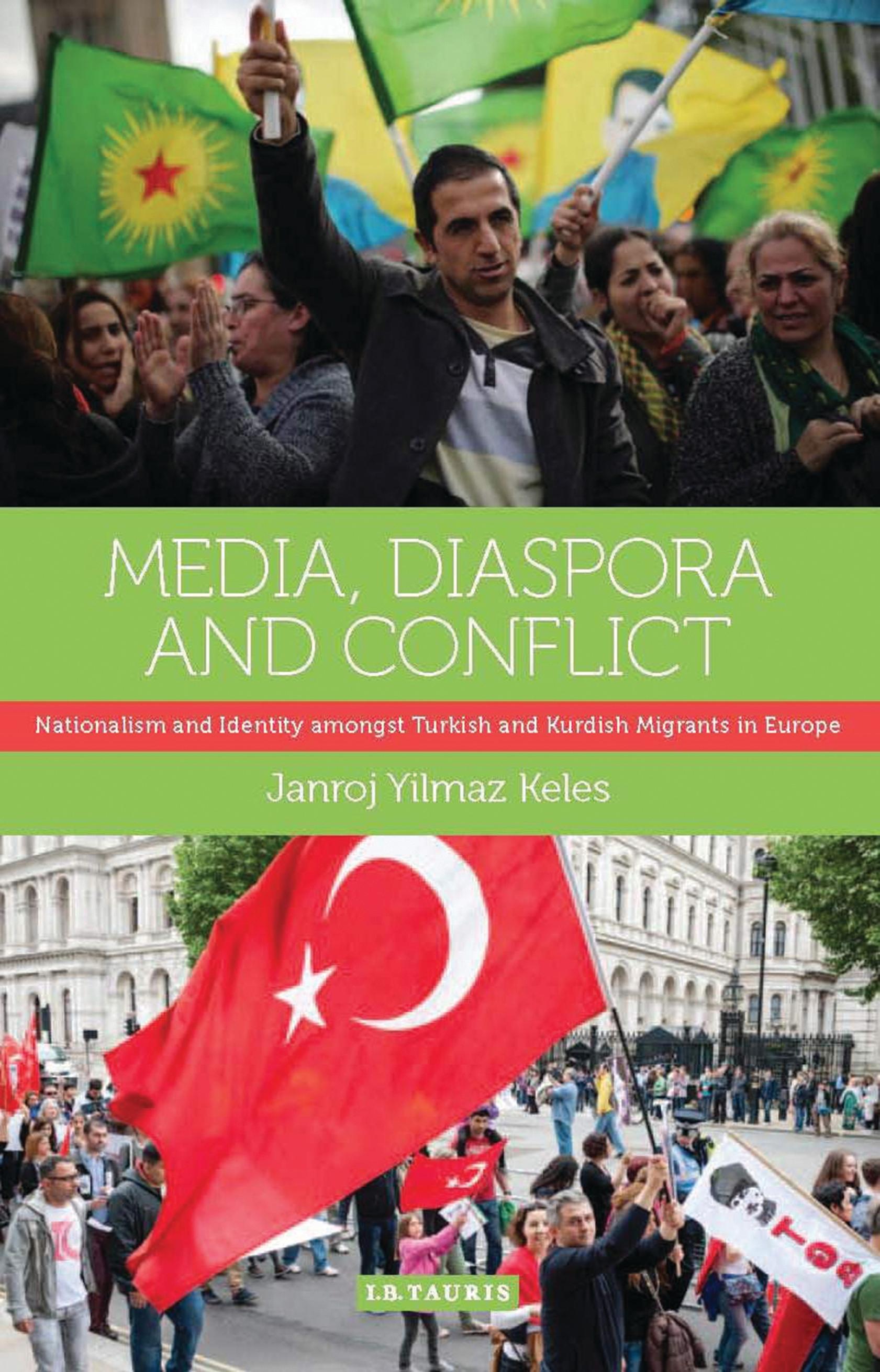
For migrant communities residing outside of their home countries, various transnational media have played a key role in maintaining, reviving and transforming ethnic and religious identities. A vital element is how media outlets report and represent ethno-national conflict in the home country. Janroj Yilmaz Keles here examines how this plays out among Kurdish and Turkish communities in Europe. He offers an analysis of how Turkish and Kurdish migrants in Europe react to the myriad mediated narratives. A vital element is how media outlets report and represent the ethno-national conflict between the Turkish state and the Kurdish PKK.Janroj Yilmaz Keles here offers an examination of how Turkish and Kurdish migrants in Europe react to the myriad narratives that arise. Taking as his starting point an analysis of the nature of nationalisms in the modern age, Keles shows how language is often a central element in the struggle for hegemony within a state. The media has become a site for the clash of representations in both Turkish and Kurdish languages, especially for those based in the diaspora in Europe.
These 'virtual communities', connected by television and the internet, in turn influence and are influenced by the way the conflict between the Turkish state and subaltern Kurds is played out, both in the media and on the ground.By looking at first, second and third generations of Turkish and Kurdish populations in Europe, Keles highlights the dynamics of migration, settlement and integration that often depend on the policies of each settlement country. Since these settlement states often see the proliferation of such media as an impediment to integration, Media, Diaspora and Conflict offers timely analysis concerning the nature of diasporas and the construction of identity.
These 'virtual communities', connected by television and the internet, in turn influence and are influenced by the way the conflict between the Turkish state and subaltern Kurds is played out, both in the media and on the ground.By looking at first, second and third generations of Turkish and Kurdish populations in Europe, Keles highlights the dynamics of migration, settlement and integration that often depend on the policies of each settlement country. Since these settlement states often see the proliferation of such media as an impediment to integration, Media, Diaspora and Conflict offers timely analysis concerning the nature of diasporas and the construction of identity.
Płać wygodnie kartą, Klarną, Apple Pay lub Google Pay. Nie jesteś zadowolony? Zawsze masz 14-dniową gwarancję zwrotu pieniędzy. Więcej przeczytasz w naszych warunkach. Masz pytania? Napisz do nas na hello@memmo.org.
Memmo ułatwia naukę – gdziekolwiek jesteś na świecie. U nas znajdziesz podręczniki i sprytne narzędzia do nauki w jednym miejscu: streszczenia, quizy, podcasty i fiszki. A do tego Ted, Twój kumpel do nauki, który odpowie na wszystko, co Cię nurtuje. Ponad 50 000 studentów już tu się uczy – stworzone, byś uczył się szybciej i mniej stresował.