
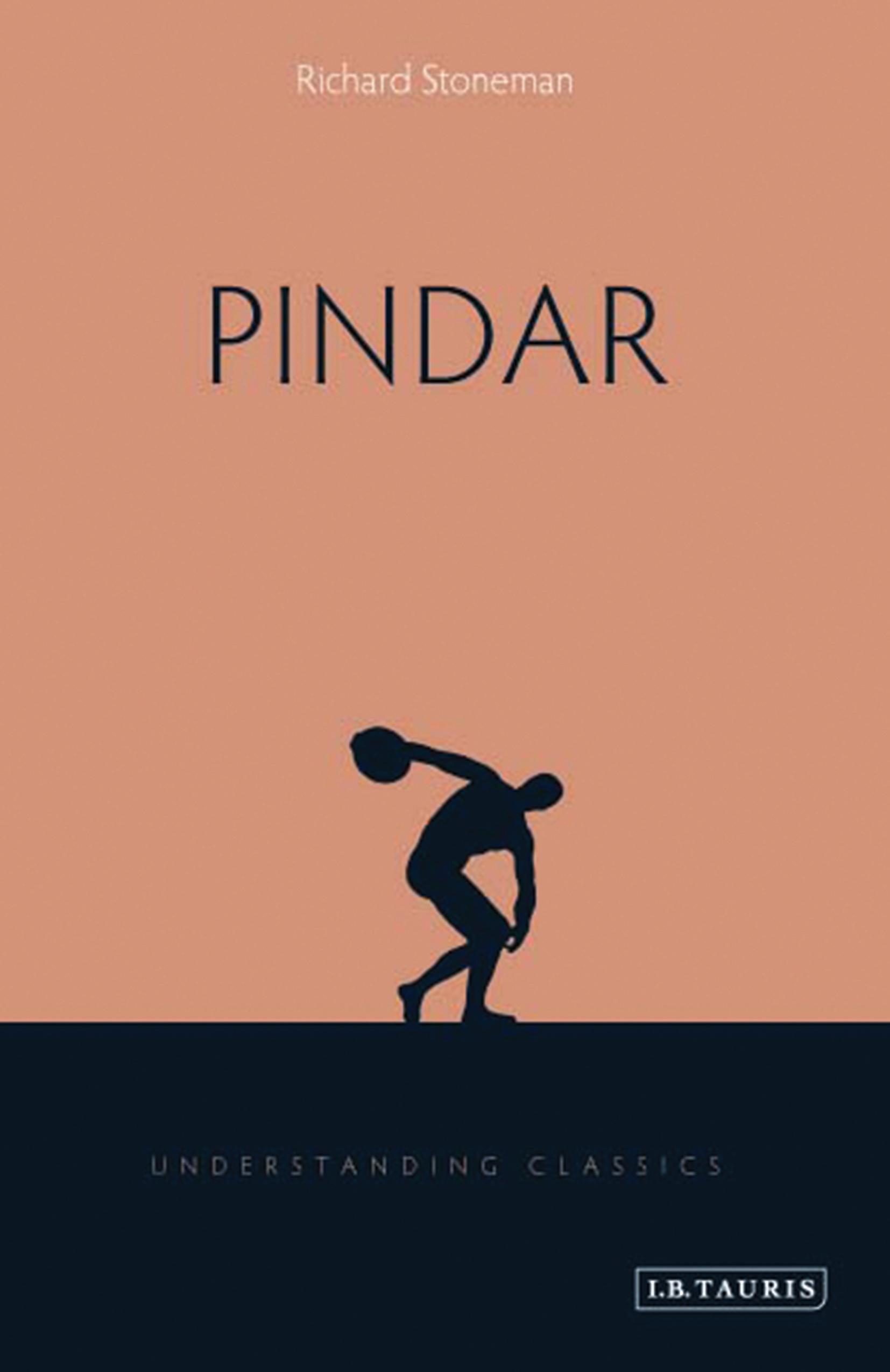
The 6th/5th century BCE Greek melic (or songwriting) poet Pindar was one of the most celebrated lyricists of antiquity. His famous victory odes offer a paean to the heroic athlete, and collectively are an attempt to encapsulate, through choral songs of exaltation, the glory of the sportsman's moment of victory - whether in athletics or horse-racing - at a variety of Panhellenic festivals and Olympian games. Yet Pindar, though still respected, is now considered a difficult poet, and is sometimes dismissed as a reactionary, celebrating an aristocratic world that was passing and that deserved to pass. In this first work on the subject for many years, Richard Stoneman shows that Pindar's works, while at first seeming obscure and fragmentary, reward further study. An unmatched craftsman with words, and witness to a profoundly religious sensibility, he is a poet who takes modern readers to the heart of Greek ideas about the gods, fleeting human achievement and fallibility. The author examines questions of performance and genre; patronage; imagery; and reception, beginning with Horace.
Płać wygodnie kartą, Klarną, Apple Pay lub Google Pay. Nie jesteś zadowolony? Zawsze masz 14-dniową gwarancję zwrotu pieniędzy. Więcej przeczytasz w naszych warunkach. Masz pytania? Napisz do nas na hello@memmo.org.
Memmo ułatwia naukę – gdziekolwiek jesteś na świecie. U nas znajdziesz podręczniki i sprytne narzędzia do nauki w jednym miejscu: streszczenia, quizy, podcasty i fiszki. A do tego Ted, Twój kumpel do nauki, który odpowie na wszystko, co Cię nurtuje. Ponad 50 000 studentów już tu się uczy – stworzone, byś uczył się szybciej i mniej stresował.