
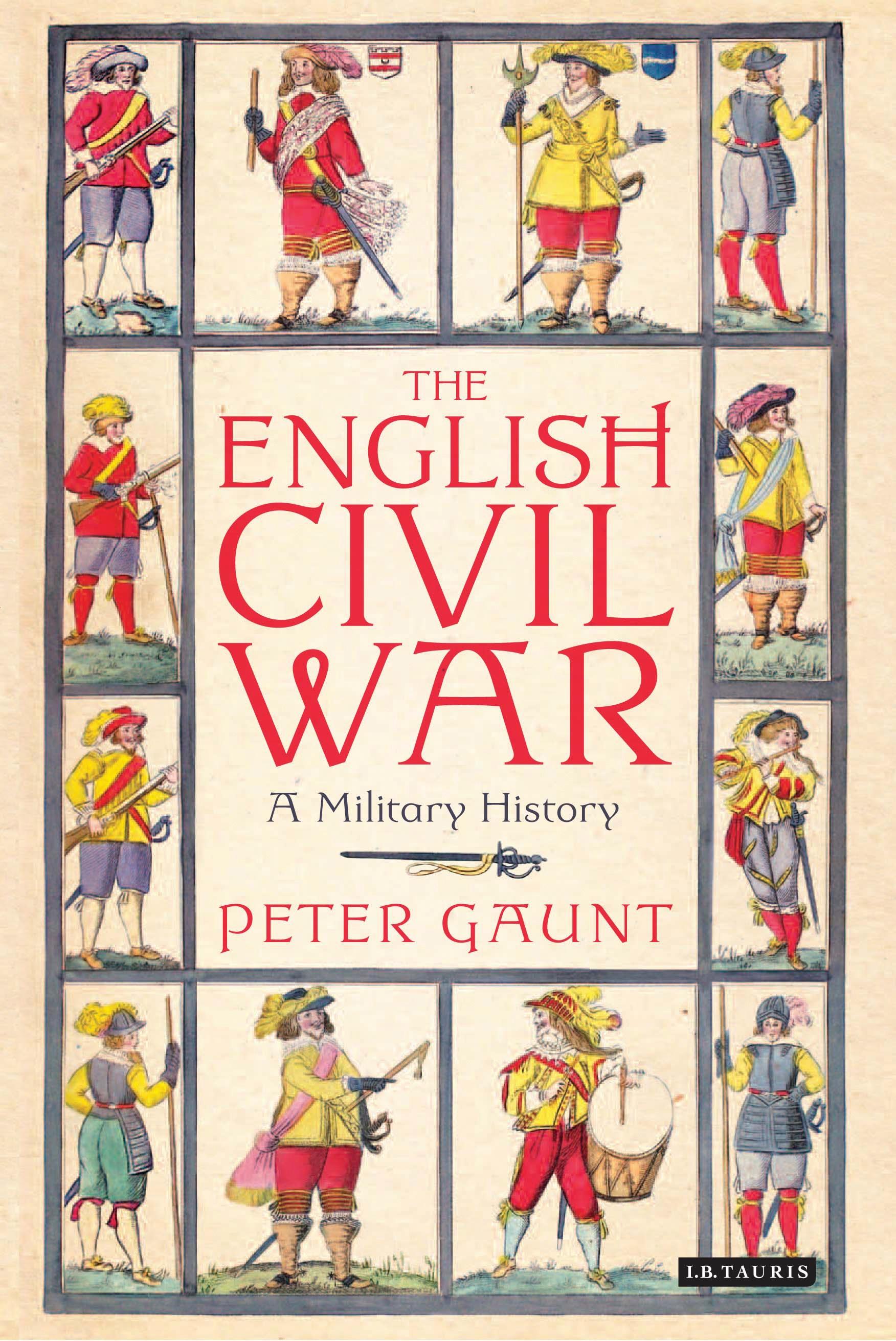
Sir, God hath taken away your eldest son by a cannon shot. It brake his leg. We were necessitated to have it cut off, whereof he died.' In one of the most famous and moving letters of the Civil War, Oliver Cromwell told his brother-in-law that on 2 July 1644 Parliament had won an emphatic victory over a Royalist army commanded by King Charles I's nephew, Prince Rupert, on rolling moorland west of York. But that battle, Marston Moor, had also slain his own nephew, the recipient's firstborn. In this vividly narrated history of the deadly conflict that engulfed the nation during the 1640s, Peter Gaunt shows that, with the exception of World War I, the death-rate was higher than any other contest in which Britain has participated. Numerous towns and villages were garrisoned, attacked, damaged or wrecked. The landscape was profoundly altered. Yet amidst all the blood and killing, the fighting was also a catalyst for profound social change and innovation. Charting major battles, raids and engagements, the author uses rich contemporary accounts to explore the life-changing experience of war for those involved, whether musketeers at Cheriton, dragoons at Edgehill or Cromwell's disciplined Ironsides at Naseby (1645).
Płać wygodnie kartą, Klarną, Apple Pay lub Google Pay. Nie jesteś zadowolony? Zawsze masz 14-dniową gwarancję zwrotu pieniędzy. Więcej przeczytasz w naszych warunkach. Masz pytania? Napisz do nas na hello@memmo.org.
Memmo ułatwia naukę – gdziekolwiek jesteś na świecie. U nas znajdziesz podręczniki i sprytne narzędzia do nauki w jednym miejscu: streszczenia, quizy, podcasty i fiszki. A do tego Ted, Twój kumpel do nauki, który odpowie na wszystko, co Cię nurtuje. Ponad 50 000 studentów już tu się uczy – stworzone, byś uczył się szybciej i mniej stresował.