
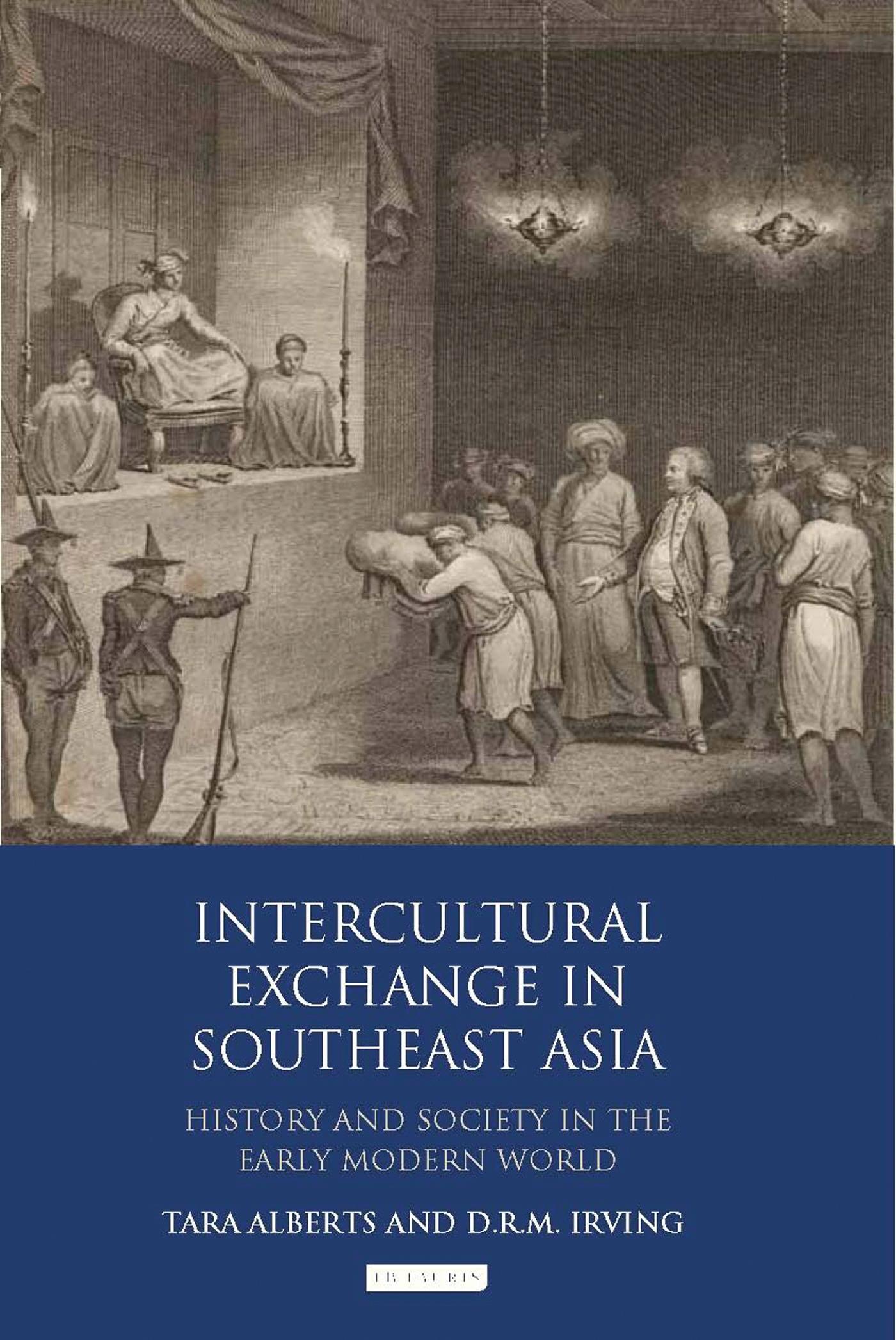
At the dawn of European colonialism, the Southeast Asian region encompassed some of the most diverse and influential cultures in early modern history. The circulation of people, commodities, ideas and beliefs along the key trading routes, from the eastern edge of the Mughal empire to the southern Chinese border, stimulated some of the great cultural and political achievements of the age. This volume highlights the multifarious dimensions of exchange in eight fascinating case studies written by leading experts from the fields of History, Anthropology, Musicology and Art History. Intercultural Exchange in Southeast Asia explores religious change at both ends of the social spectrum, examining the factors which led to or impeded the conversion of kings to new faiths, as well as those which affected the conversion of the marginal communities of mercenaries and renegades.
The artistic and cultural refashioning of new religions such as Christianity to suit local needs and sensibilities is highlighted in the Philippines, Siam, Vietnam and the Malay world while detailed analyses of scientific exchanges in maritime southeast Asia highlight the role of local agents, especially women, in the transmission of knowledge and beliefs. The articulation and cultural expression of power relations is addressed in chapters on colonial urban design and the use of music in diplomatic exchanges. This book utilises rare and unpublished sources to shed new light on the processes, strategies, and consequences of exchanges between cultures, societies and individuals and will be essential reading for those interested in the cultural and political origins of modern Asia.
The artistic and cultural refashioning of new religions such as Christianity to suit local needs and sensibilities is highlighted in the Philippines, Siam, Vietnam and the Malay world while detailed analyses of scientific exchanges in maritime southeast Asia highlight the role of local agents, especially women, in the transmission of knowledge and beliefs. The articulation and cultural expression of power relations is addressed in chapters on colonial urban design and the use of music in diplomatic exchanges. This book utilises rare and unpublished sources to shed new light on the processes, strategies, and consequences of exchanges between cultures, societies and individuals and will be essential reading for those interested in the cultural and political origins of modern Asia.
Płać wygodnie kartą, Klarną, Apple Pay lub Google Pay. Nie jesteś zadowolony? Zawsze masz 14-dniową gwarancję zwrotu pieniędzy. Więcej przeczytasz w naszych warunkach. Masz pytania? Napisz do nas na hello@memmo.org.
Memmo ułatwia naukę – gdziekolwiek jesteś na świecie. U nas znajdziesz podręczniki i sprytne narzędzia do nauki w jednym miejscu: streszczenia, quizy, podcasty i fiszki. A do tego Ted, Twój kumpel do nauki, który odpowie na wszystko, co Cię nurtuje. Ponad 50 000 studentów już tu się uczy – stworzone, byś uczył się szybciej i mniej stresował.