
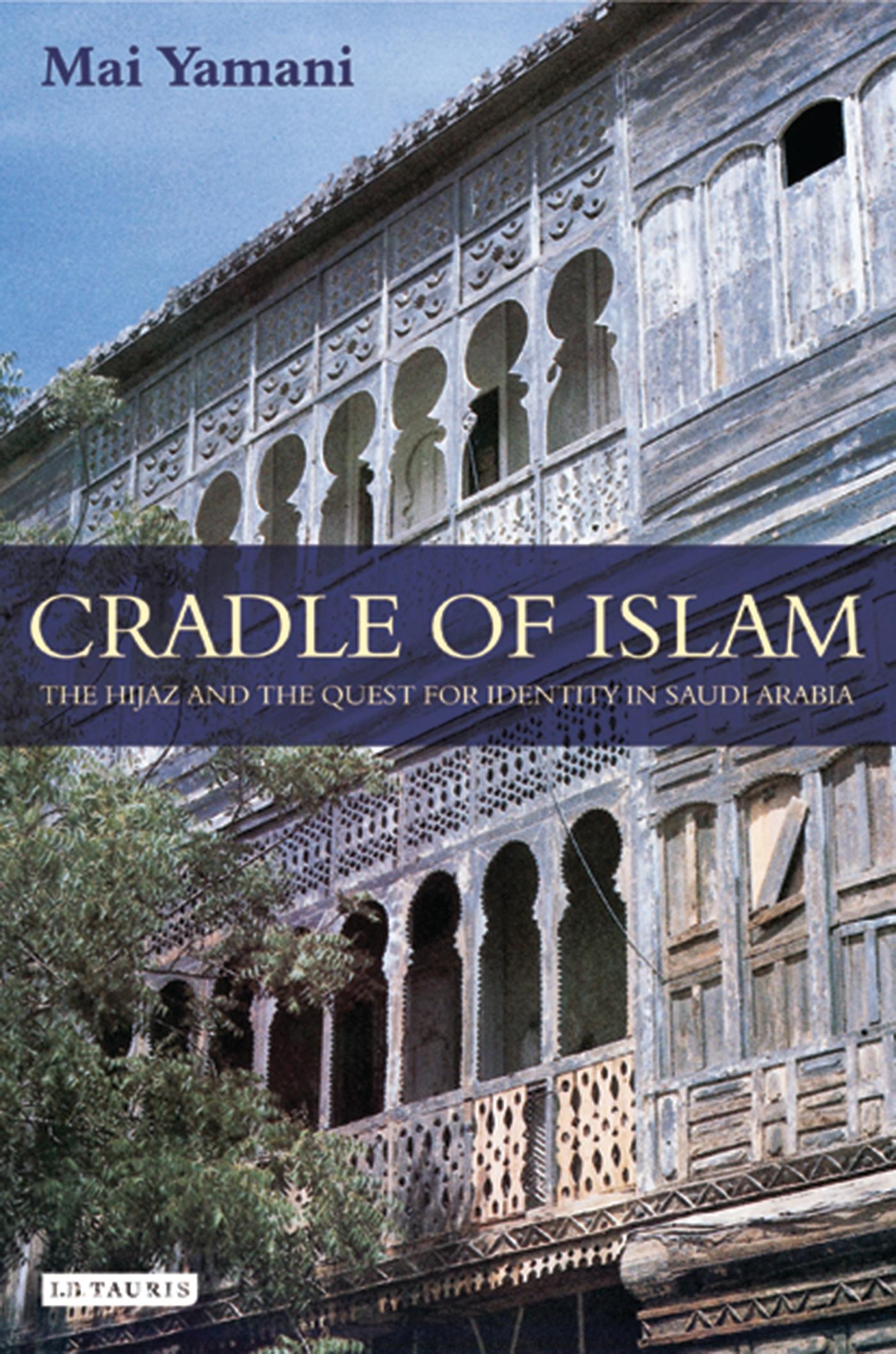
Is Saudi Arabia really a homogeneous Wahhabi dominated state? In 1932 the Al Saud family incorporated the kingdom of Hijaz, once the cultural hub of the Arabian world, in to the kingdom of Saudi Arabia. The urban, cosmopolitan Hijazis were absorbed in to a new state whose codes of behavior and rules were determined by the Najdis, an ascetic desert people, from whom the Al Saud family came. But the Saudi rulers failed to fully integrate the Hijaz, which retains a distinctive identity to this day. In "Cradle of Islam", the product of years spent in Mecca, Medina, Jeddah and Taif, Mai Yamani traces the fortunes of the distinctive and resilient culture of the Hijazis, from the golden age of Hashemite Mecca to Saudi domination to its current resurgence. The Hijazis today emphasise their regional heritage in religious ritual, food, dress and language as a response to the 'Najdification' of everyday life. The Hijazi experience shows the vitality of cultural diversity in the face of political repression in the Arab world.
Strony: 248
Kategoria: Religion & Teologi
e-ISBN: 9780857731104
Waga przesyłki: 1.2 kg
Wysyłka w ciągu: 1-2 dni
Płać wygodnie kartą, Klarną, Apple Pay lub Google Pay. Nie jesteś zadowolony? Zawsze masz 14-dniową gwarancję zwrotu pieniędzy. Więcej przeczytasz w naszych warunkach. Masz pytania? Napisz do nas na hello@memmo.org.
Memmo ułatwia naukę – gdziekolwiek jesteś na świecie. U nas znajdziesz podręczniki i sprytne narzędzia do nauki w jednym miejscu: streszczenia, quizy, podcasty i fiszki. A do tego Ted, Twój kumpel do nauki, który odpowie na wszystko, co Cię nurtuje. Ponad 50 000 studentów już tu się uczy – stworzone, byś uczył się szybciej i mniej stresował.