
I.B.Tauris in association with the Institute of Ismaili Studies
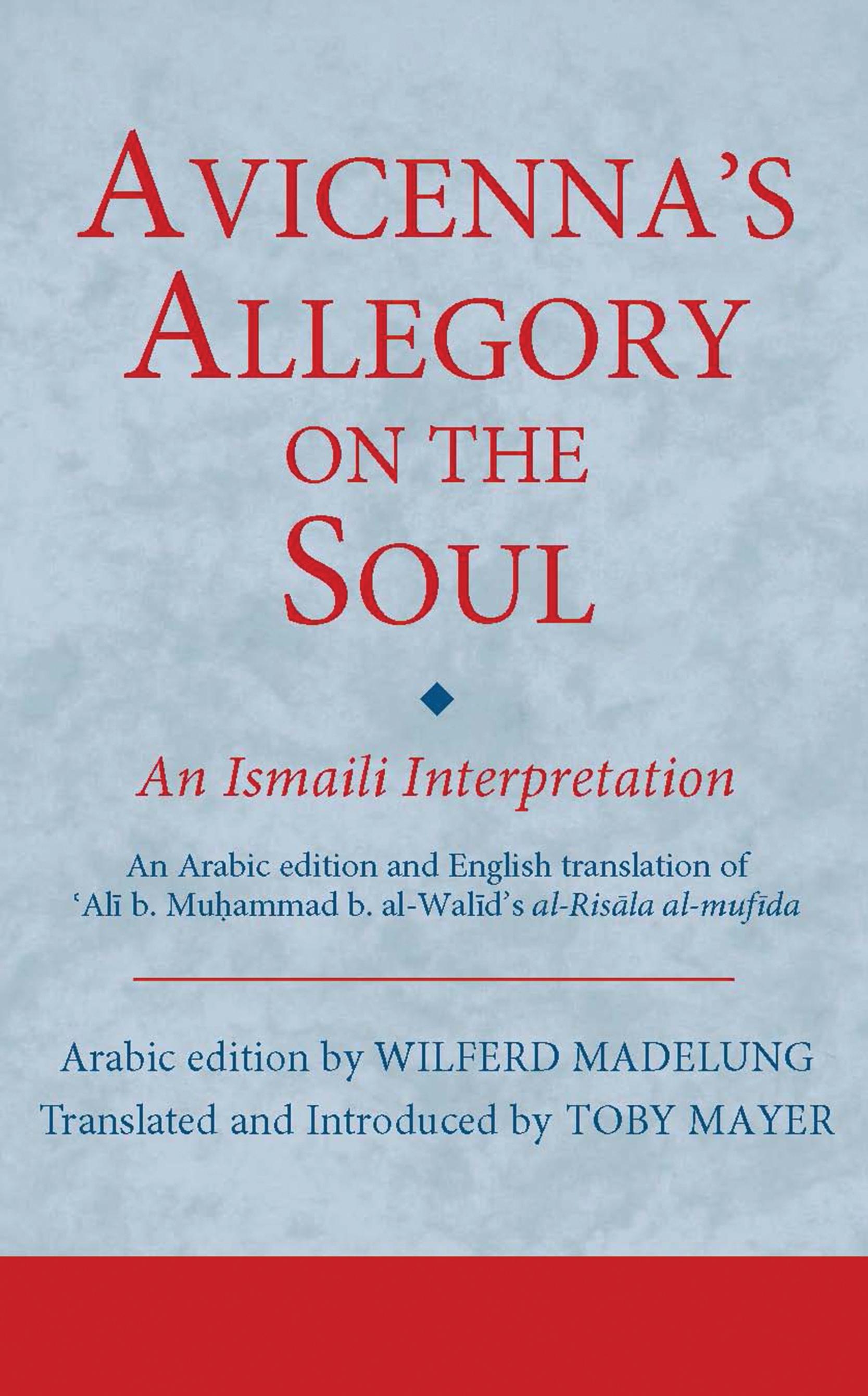
The Persian philosopher Ibn Sina (d. 1037), known in Europe as Avicenna, was arguably the greatest master of Aristotelian thought in the Muslim world. The symbolical Poem on the Soul (Qasidat al-nafs), which portrays all earthly human souls as in temporary exile from heaven, is traditionally attributed to Avicenna, and was received with enthusiasm by its commentators. A highly significant commentary on the Qasida was written by ?Ali b. Muhammad b. al-Walid (d. 1215 CE), a major early representative of the Tayyibi Ismaili tradition, which emerged and flourished in medieval Yemen. In his view, the poem encapsulated Tayyibi beliefs, whose doctrines bear striking parallels with late antique Gnosticism. Avicenna s Allegory on the Soul presents the first edition of the Arabic text of Ibn al-Walid s commentary, The Useful Epistle (al-Risala al-mufida), alongside an English translation and extended introduction. It offers invaluable insight into the intricacies of Muslim thought and a deeper understanding of Avicenna s substantial intellectual legacy."
The Persian philosopher Ibn Sina (d. 1037), known in Europe as Avicenna, was arguably the greatest master of Aristotelian thought in the Muslim world. The symbolical Poem on the Soul (Qasidat al-nafs), which portrays all earthly human souls as in temporary exile from heaven, is traditionally attributed to Avicenna, and was received with enthusiasm by its commentators. A highly significant commentary on the Qasida was written by ?Ali b. Muhammad b. al-Walid (d. 1215 CE), a major early representative of the Tayyibi Ismaili tradition, which emerged and flourished in medieval Yemen. In his view, the poem encapsulated Tayyibi beliefs, whose doctrines bear striking parallels with late antique Gnosticism. Avicenna s Allegory on the Soul presents the first edition of the Arabic text of Ibn al-Walid s commentary, The Useful Epistle (al-Risala al-mufida), alongside an English translation and extended introduction. It offers invaluable insight into the intricacies of Muslim thought and a deeper understanding of Avicenna s substantial intellectual legacy."
Płać wygodnie kartą, Klarną, Apple Pay lub Google Pay. Nie jesteś zadowolony? Zawsze masz 14-dniową gwarancję zwrotu pieniędzy. Więcej przeczytasz w naszych warunkach. Masz pytania? Napisz do nas na hello@memmo.org.
Memmo ułatwia naukę – gdziekolwiek jesteś na świecie. U nas znajdziesz podręczniki i sprytne narzędzia do nauki w jednym miejscu: streszczenia, quizy, podcasty i fiszki. A do tego Ted, Twój kumpel do nauki, który odpowie na wszystko, co Cię nurtuje. Ponad 50 000 studentów już tu się uczy – stworzone, byś uczył się szybciej i mniej stresował.