
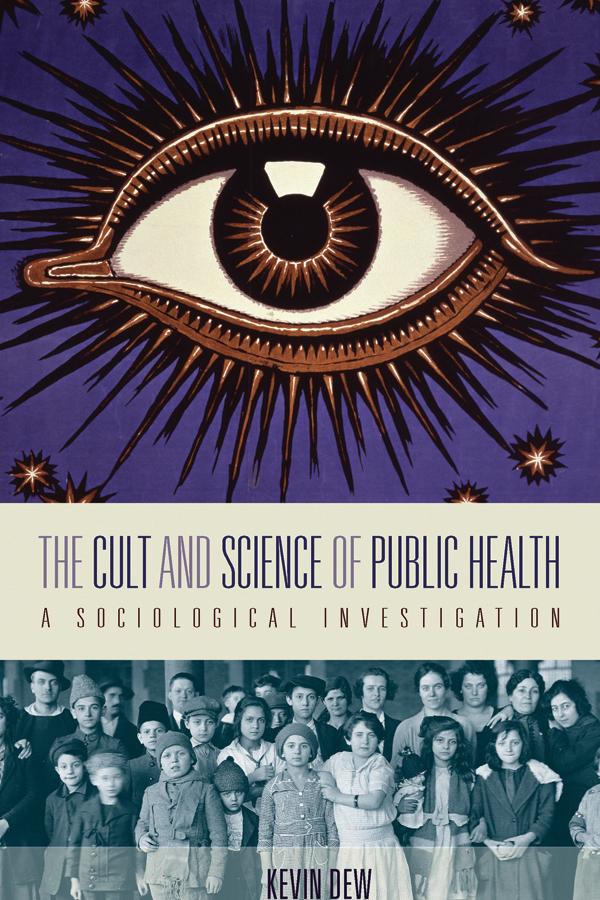
In contemporary manifestations of public health rituals and events, people are being increasingly united around what they hold in common—their material being and humanity. As a cult of humanity, public health provides a moral force in society that replaces ‘traditional’ religions in times of great diversity or heterogeneity of peoples, activities and desires. This is in contrast to public health’s foundation in science, particularly the science of epidemiology. The rigid rules of ‘scientific evidence’ used to determine the cause of illness and disease can work against the most vulnerable in society by putting sectors of the population, such as underrepresented workers, at a disadvantage. This study focuses on this tension between traditional science and the changing vision articulated within public health (and across many disciplines) that calls for a collective response to uncontrolled capitalism and unremitting globalization, and to the way in which health inequalities and their association with social inequalities provides a political rhetoric that calls for a new redistributive social programme. Drawing on decades of research, the author argues that public health is both a cult and a science of contemporary society.
Płać wygodnie kartą, Klarną, Apple Pay lub Google Pay. Nie jesteś zadowolony? Zawsze masz 14-dniową gwarancję zwrotu pieniędzy. Więcej przeczytasz w naszych warunkach. Masz pytania? Napisz do nas na hello@memmo.org.
Memmo ułatwia naukę – gdziekolwiek jesteś na świecie. U nas znajdziesz podręczniki i sprytne narzędzia do nauki w jednym miejscu: streszczenia, quizy, podcasty i fiszki. A do tego Ted, Twój kumpel do nauki, który odpowie na wszystko, co Cię nurtuje. Ponad 50 000 studentów już tu się uczy – stworzone, byś uczył się szybciej i mniej stresował.