
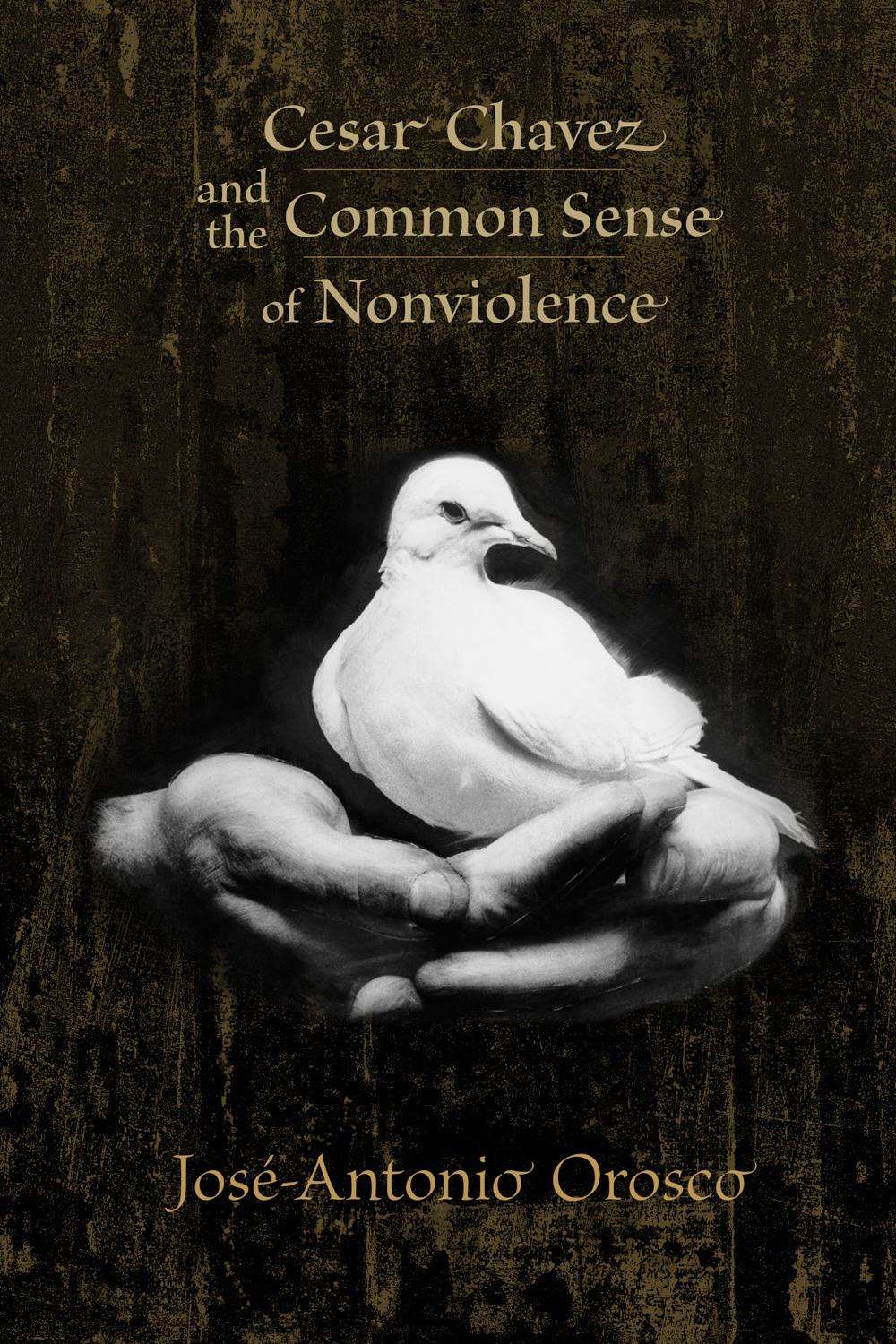
Cesar Chavez has long been heralded for his personal practice of nonviolent resistance in struggles against social, racial, and labor injustices. However, the works of Gandhi and Martin Luther King Jr. have long overshadowed Chavez's contributions to the theory of nonviolence. José-Antonio Orosco seeks to elevate Chavez as an original thinker, providing an analysis of what Chavez called "the common sense of nonviolence." By engaging Chavez in dialogue with a variety of political theorists and philosophers, Orosco demonstrates how Chavez developed distinct ideas about nonviolent theory that are timely for dealing with today's social and political issues, including racism, sexism, immigration, globalization, and political violence.
Płać wygodnie kartą, Klarną, Apple Pay lub Google Pay. Nie jesteś zadowolony? Zawsze masz 14-dniową gwarancję zwrotu pieniędzy. Więcej przeczytasz w naszych warunkach. Masz pytania? Napisz do nas na hello@memmo.org.
Memmo ułatwia naukę – gdziekolwiek jesteś na świecie. U nas znajdziesz podręczniki i sprytne narzędzia do nauki w jednym miejscu: streszczenia, quizy, podcasty i fiszki. A do tego Ted, Twój kumpel do nauki, który odpowie na wszystko, co Cię nurtuje. Ponad 50 000 studentów już tu się uczy – stworzone, byś uczył się szybciej i mniej stresował.