
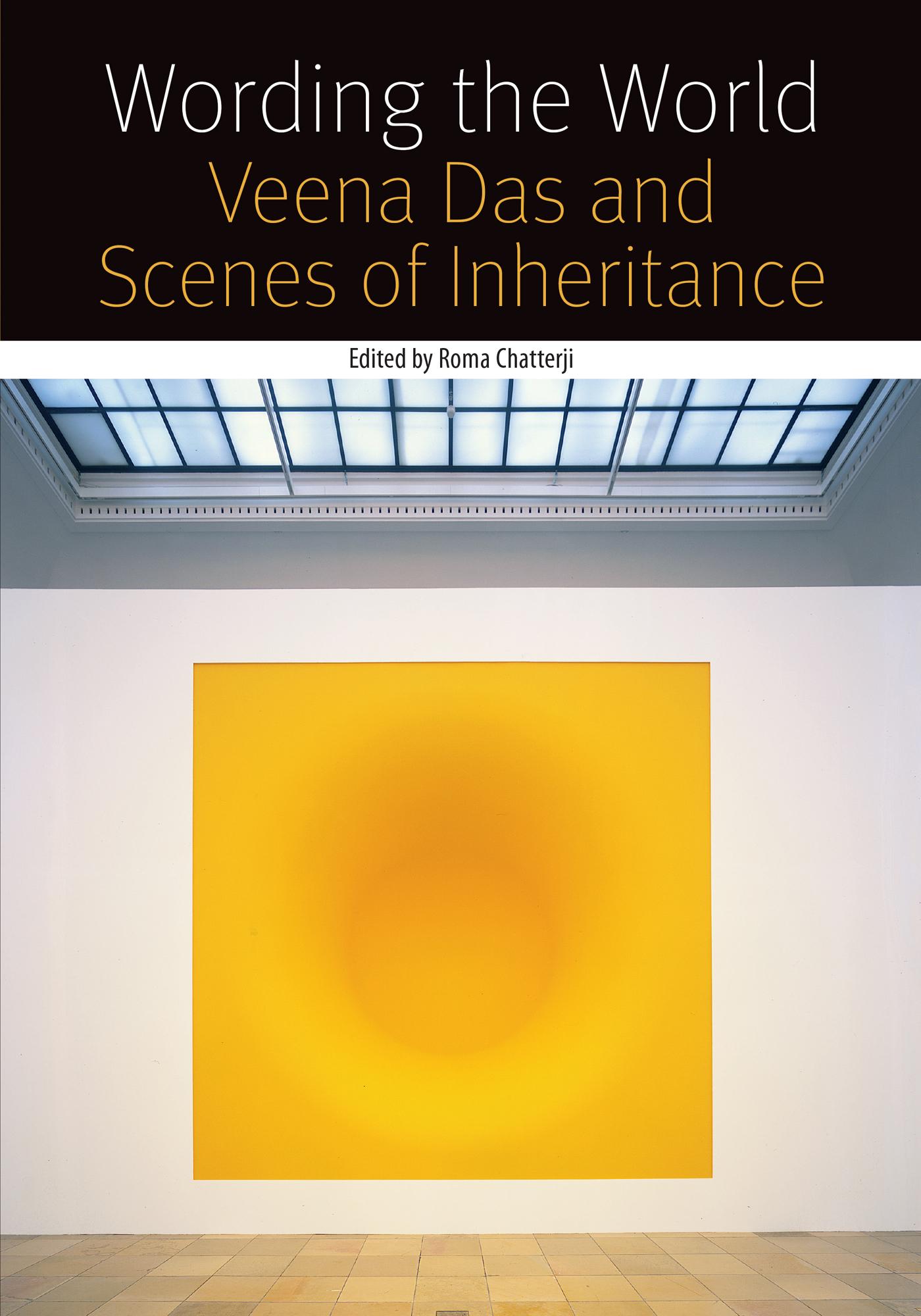
The essays in this book explore the critical possibilities that have been opened by Veena Das’s work. Taking off from her writing on pain as a call for acknowledgment, several essays explore how social sciences render pain, suffering, and the claims of the other as part of an ethics of responsibility. They search for disciplinary resources to contest the implicit division between those whose pain receives attention and those whose pain is seen as out of sync with the times and hence written out of the historical record.
Another theme is the co-constitution of the event and the everyday, especially in the context of violence. Das’s groundbreaking formulation of the everyday provides a frame for understanding how both violence and healing might grow out of it. Drawing on notions of life and voice and the struggle to write one’s own narrative, the contributors provide rich ethnographies of what it is to inhabit a devastated world.
Ethics as a form of attentiveness to the other, especially in the context of poverty, deprivation, and the corrosion of everyday life, appears in several of the essays. They take up the classic themes of kinship and obligation but give them entirely new meaning.
Finally, anthropology’s affinities with the literary are reflected in a final set of essays that show how forms of knowing in art and in anthropology are related through work with painters, performance artists, and writers.
Płać wygodnie kartą, Klarną, Apple Pay lub Google Pay. Nie jesteś zadowolony? Zawsze masz 14-dniową gwarancję zwrotu pieniędzy. Więcej przeczytasz w naszych warunkach. Masz pytania? Napisz do nas na hello@memmo.org.
Memmo ułatwia naukę – gdziekolwiek jesteś na świecie. U nas znajdziesz podręczniki i sprytne narzędzia do nauki w jednym miejscu: streszczenia, quizy, podcasty i fiszki. A do tego Ted, Twój kumpel do nauki, który odpowie na wszystko, co Cię nurtuje. Ponad 50 000 studentów już tu się uczy – stworzone, byś uczył się szybciej i mniej stresował.