
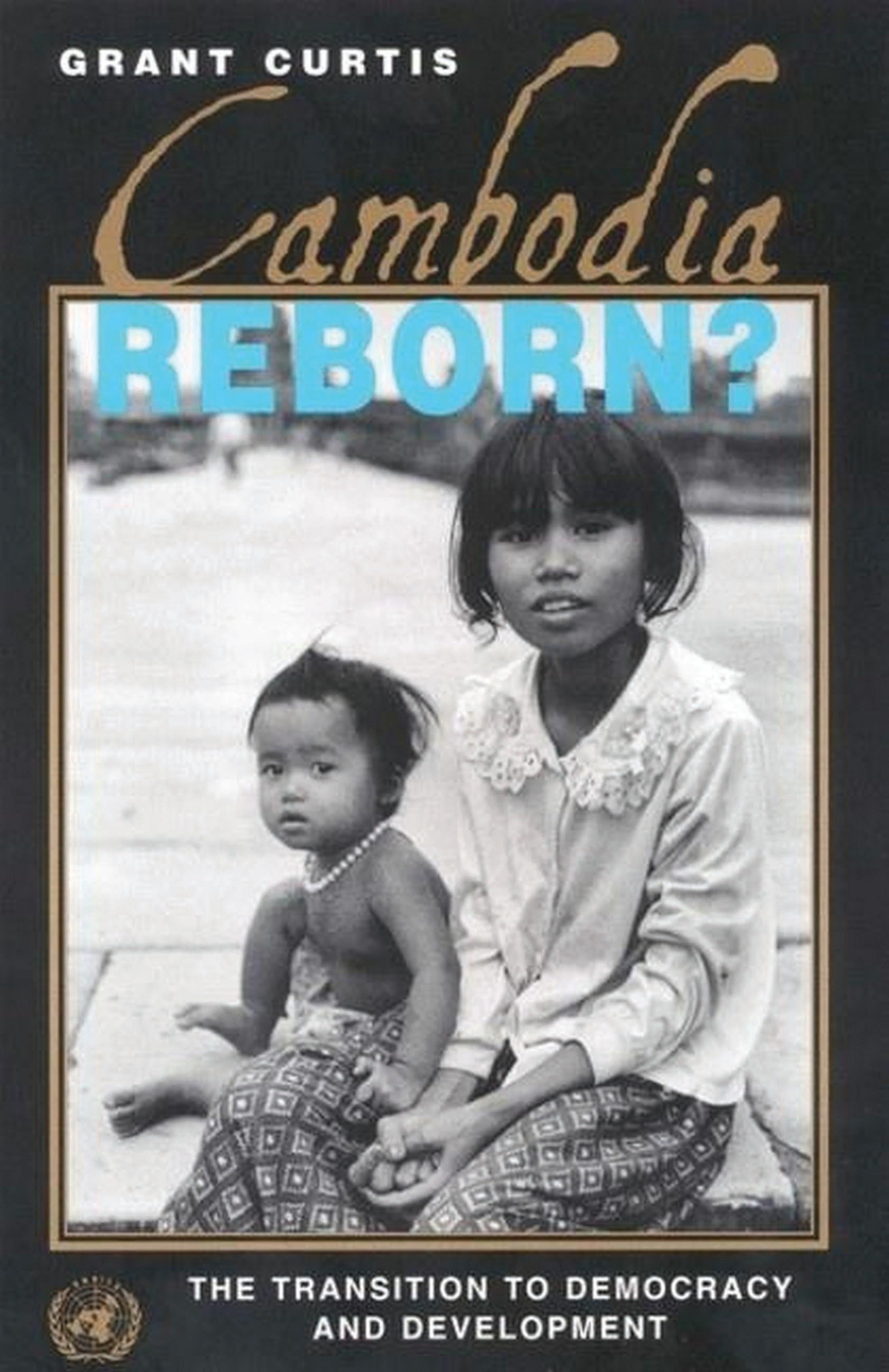
When United Nations sponsored elections were held in 1993, there were high hopes that Cambodia would finally be able to escape the nightmare of war, the killing fields, famine, and economic turmoil that its people had endured since 1970. Large amounts of international development assistance, a rapidly expanding NGO sector, and a pragmatic power-sharing arrangement between former adversaries, seemed to bode well for the future. Yet, as the country was once again preparing for elections in 1998, serious tensions and conflicts continued to undermine the transition process.
This book examines Cambodia's uneasy renaissance from years of conflict, isolation and authoritarian rule. It assesses, in particular, the efforts of the government, NGOs, and the international community to facilitate Cambodia's various transitions to peace, democracy, and a market economy, as well as the strengthening of civil society.
Copublished with the United Nations Research Institute for Social Development
This book examines Cambodia's uneasy renaissance from years of conflict, isolation and authoritarian rule. It assesses, in particular, the efforts of the government, NGOs, and the international community to facilitate Cambodia's various transitions to peace, democracy, and a market economy, as well as the strengthening of civil society.
Copublished with the United Nations Research Institute for Social Development
Płać wygodnie kartą, Klarną, Apple Pay lub Google Pay. Nie jesteś zadowolony? Zawsze masz 14-dniową gwarancję zwrotu pieniędzy. Więcej przeczytasz w naszych warunkach. Masz pytania? Napisz do nas na hello@memmo.org.
Memmo ułatwia naukę – gdziekolwiek jesteś na świecie. U nas znajdziesz podręczniki i sprytne narzędzia do nauki w jednym miejscu: streszczenia, quizy, podcasty i fiszki. A do tego Ted, Twój kumpel do nauki, który odpowie na wszystko, co Cię nurtuje. Ponad 50 000 studentów już tu się uczy – stworzone, byś uczył się szybciej i mniej stresował.