
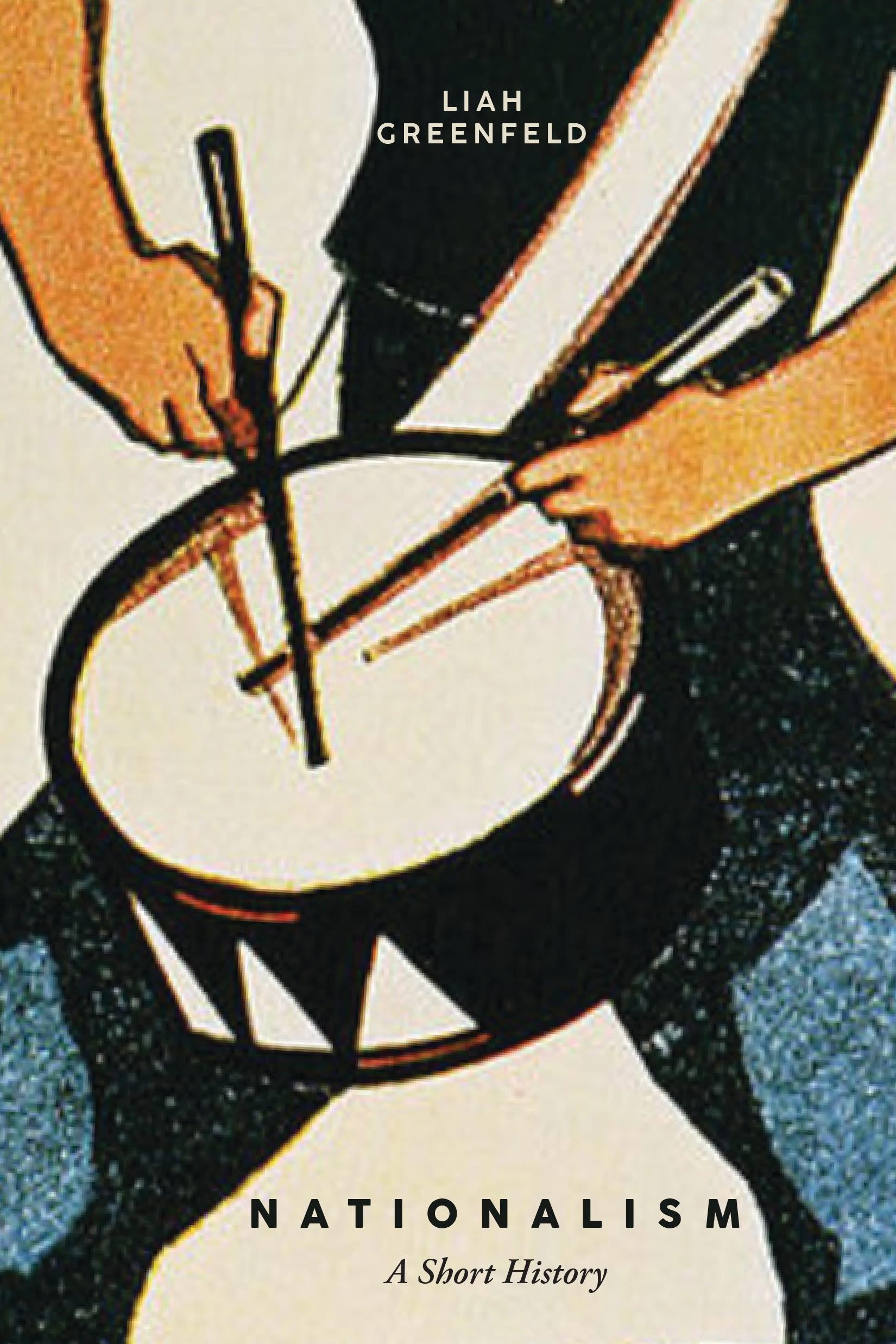
We need a nation, declared a certain Phillippe Grouvelle in the revolutionary year of 1789, and the Nation will be born.from Nationalism
Nationalism, often the scourge, always the basis of modern world politics, is spreading. In a way, all nations are willed into being. But a simple declaration, such as Grouvelle's, is not enough. As historian Liah Greenfeld shows in her new book, a sense of nationnationalismis the product of the complex distillation of ideas and beliefs, and the struggles over them.
Greenfeld takes the reader on an intellectual journey through the origins of the concept “nation” and how national consciousness has changed over the centuries. From its emergence in sixteenth century England, nationalism has been behind nearly every significant development in world affairs over succeeding centuries, including the American and French revolutions of the late eighteenth centuries and the authoritarian communism and fascism of the twentieth century. Now it has arrived as a mass phenomenon in China as well as gaining new life in the United States and much of Europe in the guise of populism.
Written by an authority on the subject, Nationalism stresses the contradictory ways of how nationalism has been institutionalized in various places. On the one hand, nationalism has made possible the realities of liberal democracy, human rights, and individual self-determination. On the other hand, nationalism also has brought about authoritarian and racist regimes that negate the individual as an autonomous agent. That tension is all too apparent today.
Nationalism, often the scourge, always the basis of modern world politics, is spreading. In a way, all nations are willed into being. But a simple declaration, such as Grouvelle's, is not enough. As historian Liah Greenfeld shows in her new book, a sense of nationnationalismis the product of the complex distillation of ideas and beliefs, and the struggles over them.
Greenfeld takes the reader on an intellectual journey through the origins of the concept “nation” and how national consciousness has changed over the centuries. From its emergence in sixteenth century England, nationalism has been behind nearly every significant development in world affairs over succeeding centuries, including the American and French revolutions of the late eighteenth centuries and the authoritarian communism and fascism of the twentieth century. Now it has arrived as a mass phenomenon in China as well as gaining new life in the United States and much of Europe in the guise of populism.
Written by an authority on the subject, Nationalism stresses the contradictory ways of how nationalism has been institutionalized in various places. On the one hand, nationalism has made possible the realities of liberal democracy, human rights, and individual self-determination. On the other hand, nationalism also has brought about authoritarian and racist regimes that negate the individual as an autonomous agent. That tension is all too apparent today.
Strony: 158
Kategoria: Statsvetenskap & Politik
e-ISBN: 9780815737025
Waga przesyłki: 1.2 kg
Wysyłka w ciągu: 1-2 dni
Płać wygodnie kartą, Klarną, Apple Pay lub Google Pay. Nie jesteś zadowolony? Zawsze masz 14-dniową gwarancję zwrotu pieniędzy. Więcej przeczytasz w naszych warunkach. Masz pytania? Napisz do nas na hello@memmo.org.
Memmo ułatwia naukę – gdziekolwiek jesteś na świecie. U nas znajdziesz podręczniki i sprytne narzędzia do nauki w jednym miejscu: streszczenia, quizy, podcasty i fiszki. A do tego Ted, Twój kumpel do nauki, który odpowie na wszystko, co Cię nurtuje. Ponad 50 000 studentów już tu się uczy – stworzone, byś uczył się szybciej i mniej stresował.