
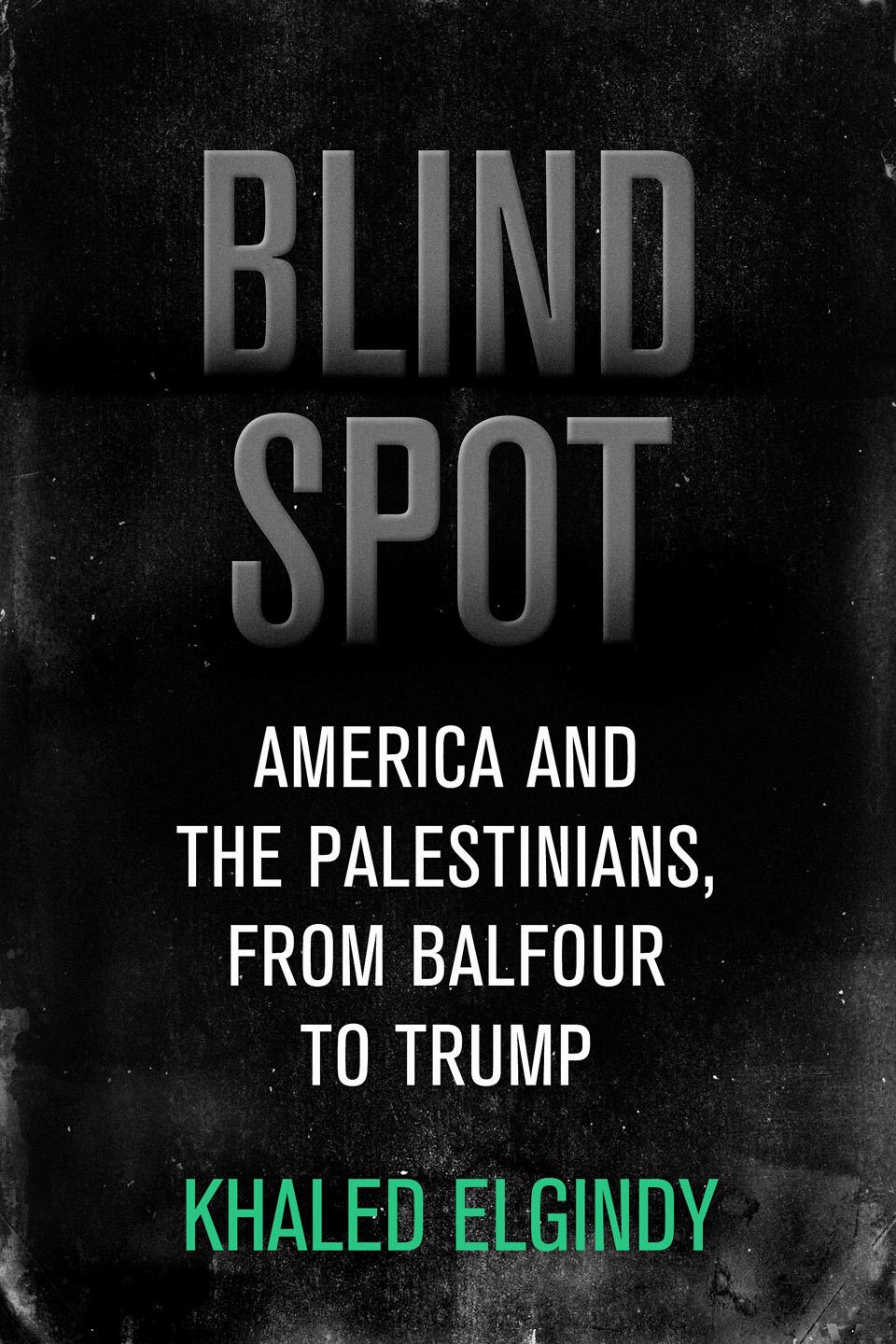
A critical examination of the history of US-Palestinian relations
The United States has invested billions of dollars and countless diplomatic hours in the pursuit of Israeli-Palestinian peace and a two-state solution. Yet American attempts to broker an end to the conflict have repeatedly come up short. At the center of these failures lay two critical factors: Israeli power and Palestinian politics.
While both Israelis and Palestinians undoubtedly share much of the blame, one also cannot escape the role of the United States, as the sole mediator in the process, in these repeated failures. American peacemaking efforts ultimately ran aground as a result of Washington's unwillingness to confront Israel's ever-deepening occupation or to come to grips with the realities of internal Palestinian politics. In particular, the book looks at the interplay between the U.S.-led peace process and internal Palestinian politicsnamely, how a badly flawed peace process helped to weaken Palestinian leaders and institutions and how an increasingly dysfunctional Palestinian leadership, in turn, hindered prospects for a diplomatic resolution. Thus, while the peace process was not necessarily doomed to fail, Washington's management of the process, with its built-in blind spot to Israeli power and Palestinian politics, made failure far more likely than a negotiated breakthrough.
Shaped by the pressures of American domestic politics and the special relationship with Israel, Washington's distinctive blind spot to Israeli power and Palestinian politics has deep historical roots, dating back to the 1917 Balfour Declaration and the British Mandate. The size of the blind spot has varied over the years and from one administration to another, but it is always present.
The United States has invested billions of dollars and countless diplomatic hours in the pursuit of Israeli-Palestinian peace and a two-state solution. Yet American attempts to broker an end to the conflict have repeatedly come up short. At the center of these failures lay two critical factors: Israeli power and Palestinian politics.
While both Israelis and Palestinians undoubtedly share much of the blame, one also cannot escape the role of the United States, as the sole mediator in the process, in these repeated failures. American peacemaking efforts ultimately ran aground as a result of Washington's unwillingness to confront Israel's ever-deepening occupation or to come to grips with the realities of internal Palestinian politics. In particular, the book looks at the interplay between the U.S.-led peace process and internal Palestinian politicsnamely, how a badly flawed peace process helped to weaken Palestinian leaders and institutions and how an increasingly dysfunctional Palestinian leadership, in turn, hindered prospects for a diplomatic resolution. Thus, while the peace process was not necessarily doomed to fail, Washington's management of the process, with its built-in blind spot to Israeli power and Palestinian politics, made failure far more likely than a negotiated breakthrough.
Shaped by the pressures of American domestic politics and the special relationship with Israel, Washington's distinctive blind spot to Israeli power and Palestinian politics has deep historical roots, dating back to the 1917 Balfour Declaration and the British Mandate. The size of the blind spot has varied over the years and from one administration to another, but it is always present.
Strony: 345
Kategoria: Statsvetenskap & Politik
e-ISBN: 9780815731566
Waga przesyłki: 1.2 kg
Wysyłka w ciągu: 1-2 dni
Płać wygodnie kartą, Klarną, Apple Pay lub Google Pay. Nie jesteś zadowolony? Zawsze masz 14-dniową gwarancję zwrotu pieniędzy. Więcej przeczytasz w naszych warunkach. Masz pytania? Napisz do nas na hello@memmo.org.
Memmo ułatwia naukę – gdziekolwiek jesteś na świecie. U nas znajdziesz podręczniki i sprytne narzędzia do nauki w jednym miejscu: streszczenia, quizy, podcasty i fiszki. A do tego Ted, Twój kumpel do nauki, który odpowie na wszystko, co Cię nurtuje. Ponad 50 000 studentów już tu się uczy – stworzone, byś uczył się szybciej i mniej stresował.