
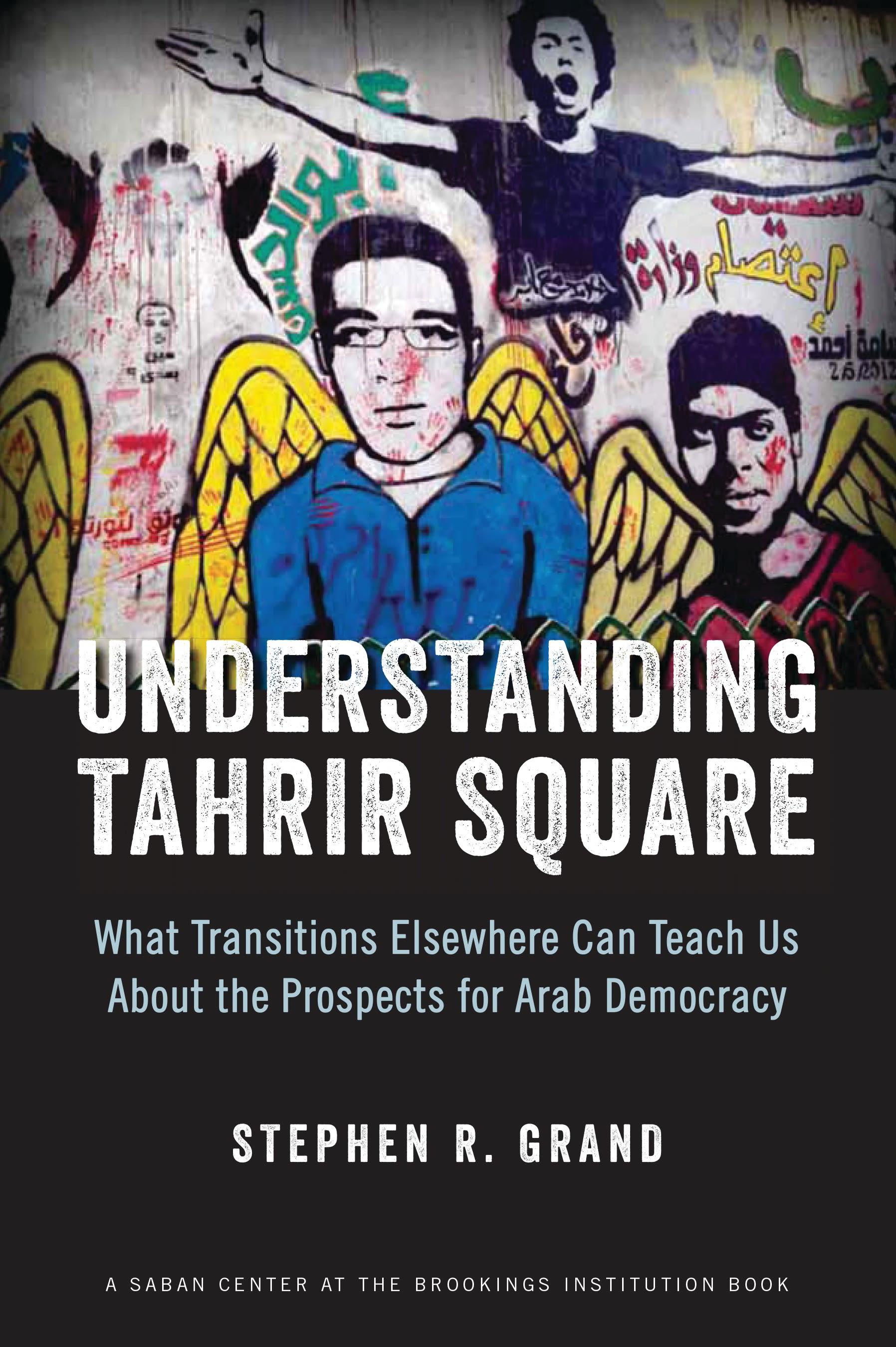
Amid the current turmoil in the Middle East, Understanding Tahrir Square sounds a rare optimistic note. Surveying countries in other parts of the world during their transitions to democracy, author Stephen Grand argues that the long-term prospects in many parts of the Arab world are actually quite positive. If the current polarization and political violence in the region can be overcome, democracy will eventually take root. The key to this change will likely be ordinary citizensforemost among them the young protestors of the Arab Spring who have filled the region's public spacesmost famously, Egypt's Tahrir Square.
The book puts the Arab Spring in comparative perspective. It reveals how globalization and other changes are upending the expectations of citizens everywhere about the relationship between citizen and state. Separate chapters examine the experiences of countries in the former Eastern bloc, in the Muslim-majority states of Asia, in Latin America, and in Sub-Saharan Africa during the recent Third Wave of democratization. What these cases show is that, at the end of the day, democracy requires democrats.
Many complex factors go into making a democracy successful, such as the caliber of its political leaders, the quality of its constitution, and the design of its political institutions. But unless there is clear public demand for new institutions to function as intended, political leaders are unlikely to abide by the limits those institutions impose. If American policymakers want to support the brave activists struggling to bring democracy to the Arab world, helping them cultivate an effective political constituency for democracyin essence, growing the Tahrir Square baseshould be the lodestar of U.S. assistance.
The book puts the Arab Spring in comparative perspective. It reveals how globalization and other changes are upending the expectations of citizens everywhere about the relationship between citizen and state. Separate chapters examine the experiences of countries in the former Eastern bloc, in the Muslim-majority states of Asia, in Latin America, and in Sub-Saharan Africa during the recent Third Wave of democratization. What these cases show is that, at the end of the day, democracy requires democrats.
Many complex factors go into making a democracy successful, such as the caliber of its political leaders, the quality of its constitution, and the design of its political institutions. But unless there is clear public demand for new institutions to function as intended, political leaders are unlikely to abide by the limits those institutions impose. If American policymakers want to support the brave activists struggling to bring democracy to the Arab world, helping them cultivate an effective political constituency for democracyin essence, growing the Tahrir Square baseshould be the lodestar of U.S. assistance.
Strony: 258
Kategoria: Statsvetenskap & Politik
e-ISBN: 9780815725176
Waga przesyłki: 1.2 kg
Wysyłka w ciągu: 1-2 dni
Płać wygodnie kartą, Klarną, Apple Pay lub Google Pay. Nie jesteś zadowolony? Zawsze masz 14-dniową gwarancję zwrotu pieniędzy. Więcej przeczytasz w naszych warunkach. Masz pytania? Napisz do nas na hello@memmo.org.
Memmo ułatwia naukę – gdziekolwiek jesteś na świecie. U nas znajdziesz podręczniki i sprytne narzędzia do nauki w jednym miejscu: streszczenia, quizy, podcasty i fiszki. A do tego Ted, Twój kumpel do nauki, który odpowie na wszystko, co Cię nurtuje. Ponad 50 000 studentów już tu się uczy – stworzone, byś uczył się szybciej i mniej stresował.