
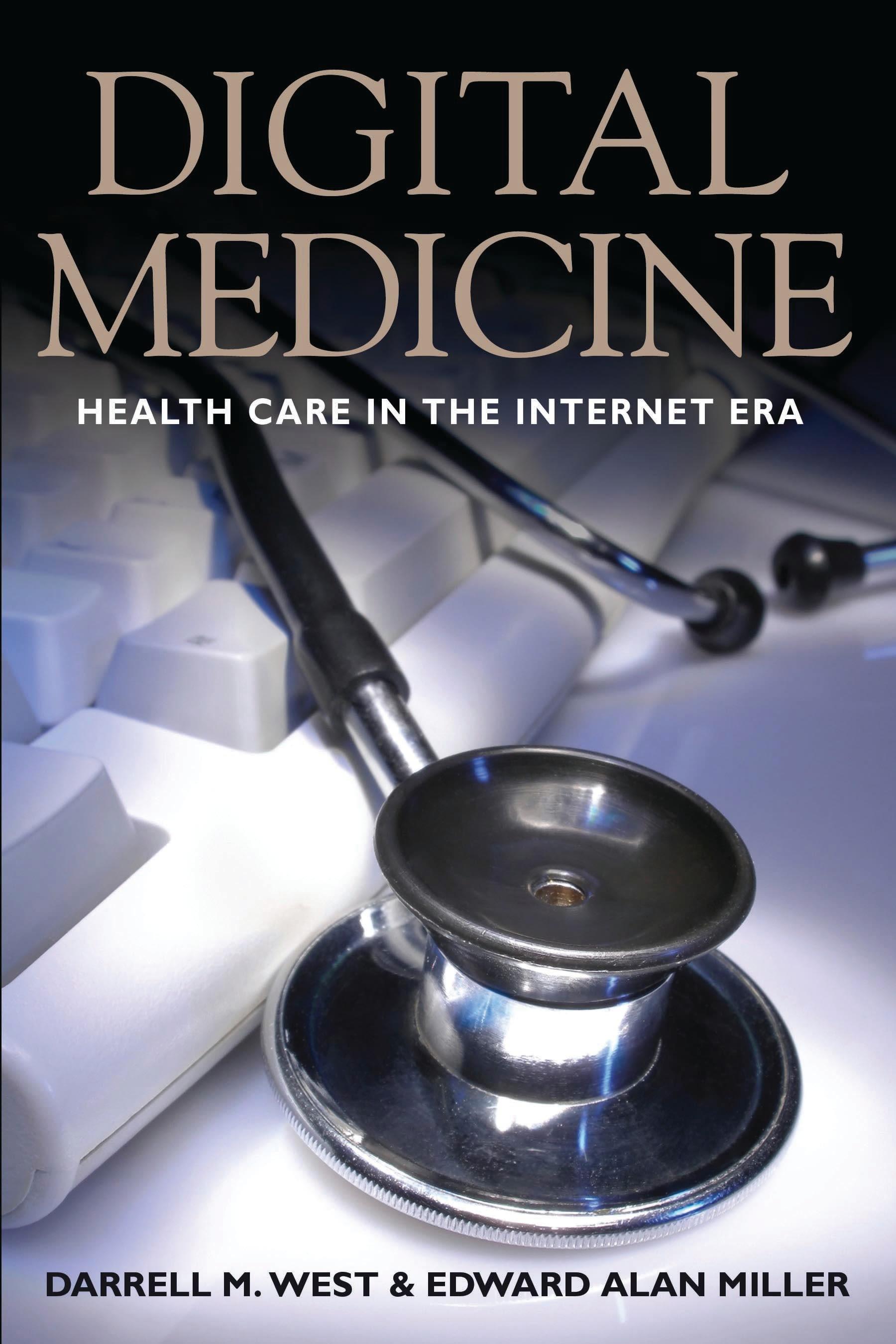
Information technology has dramatically changed our lives in areas ranging from commerce and entertainment to voting. Now, policy advocates and government officials hope to bring the benefits of enhanced information technology to health care. Already, consumers can access a tremendous amount of medical information online. Some physicians encourage patients to use email or web messaging to manage simple medical issues. Increasingly, health care products can be purchased electronically. Yet the promise of e-health remains largely unfulfilled.
Digital Medicine investigates the factors limiting digital technology's ability to remake health care. It explores the political, social, and ethical challenges presented by online health care, as well as the impact that racial, ethnic, and other disparities are having on the e-health revolution. It examines the accessibility of health-related websites for different populations and asks how we can close access gaps and ensure the reliability and trustworthiness of the information presented online.
Darrell West and Edward Miller use multiple sources, including original survey research and website analysis, to study the content, sponsorship status, and public usage of health care-related websites, as well as the relationship between e-health utilization and attitudes about health care in the United States. They also explore the use of health information technology in other countries. The result is an important contribution to our understanding of health information innovation in America and around the world.
Digital Medicine investigates the factors limiting digital technology's ability to remake health care. It explores the political, social, and ethical challenges presented by online health care, as well as the impact that racial, ethnic, and other disparities are having on the e-health revolution. It examines the accessibility of health-related websites for different populations and asks how we can close access gaps and ensure the reliability and trustworthiness of the information presented online.
Darrell West and Edward Miller use multiple sources, including original survey research and website analysis, to study the content, sponsorship status, and public usage of health care-related websites, as well as the relationship between e-health utilization and attitudes about health care in the United States. They also explore the use of health information technology in other countries. The result is an important contribution to our understanding of health information innovation in America and around the world.
Płać wygodnie kartą, Klarną, Apple Pay lub Google Pay. Nie jesteś zadowolony? Zawsze masz 14-dniową gwarancję zwrotu pieniędzy. Więcej przeczytasz w naszych warunkach. Masz pytania? Napisz do nas na hello@memmo.org.
Memmo ułatwia naukę – gdziekolwiek jesteś na świecie. U nas znajdziesz podręczniki i sprytne narzędzia do nauki w jednym miejscu: streszczenia, quizy, podcasty i fiszki. A do tego Ted, Twój kumpel do nauki, który odpowie na wszystko, co Cię nurtuje. Ponad 50 000 studentów już tu się uczy – stworzone, byś uczył się szybciej i mniej stresował.