
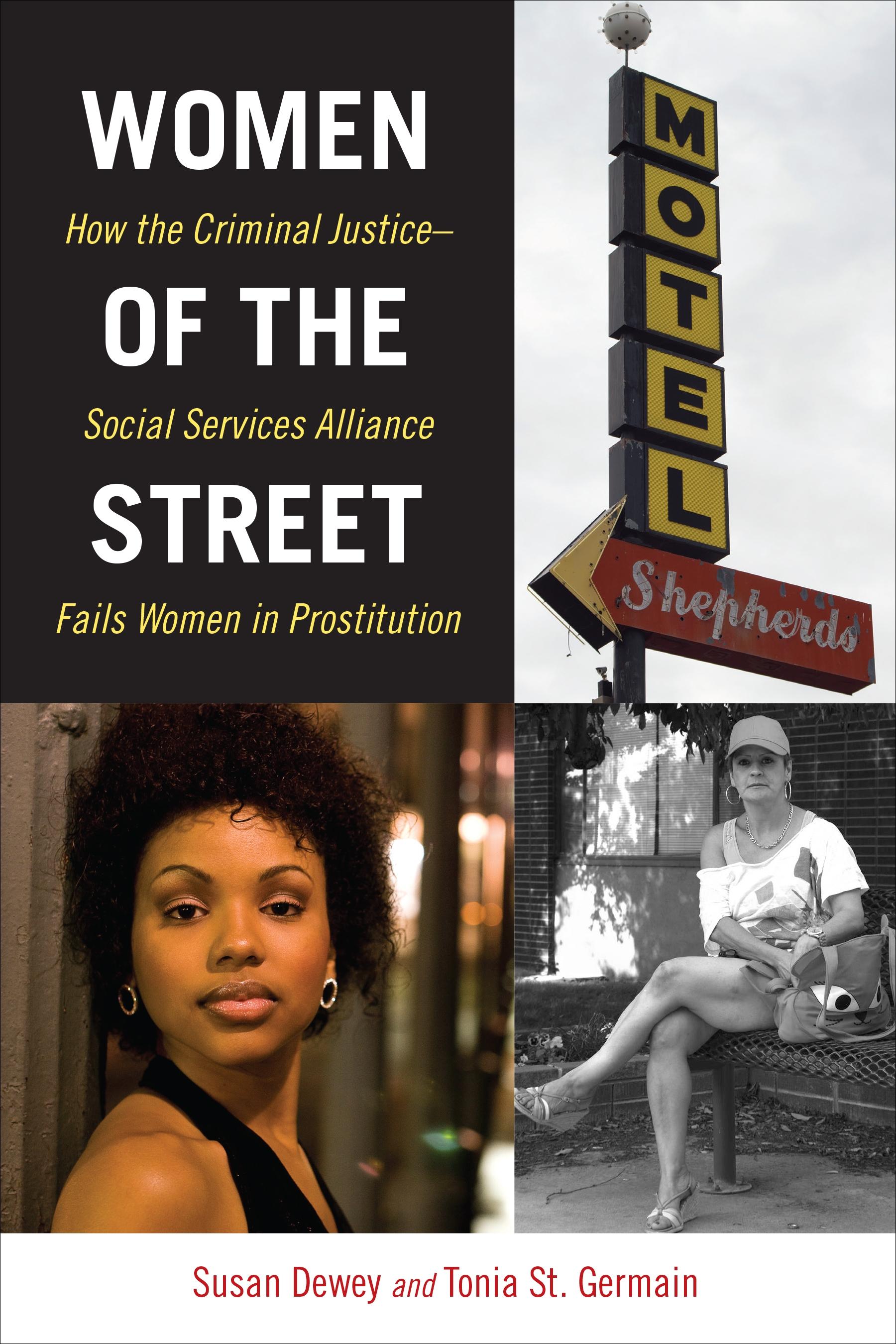
Explores encounters between those who make their living by engaging in street-based prostitution and the criminal justice and social service workers who try to curtail it
Working together every day, the lives of sex workers, police officers, public defenders, and social service providers are profoundly intertwined, yet their relationships are often adversarial and rooted in fundamentally false assumptions. The criminal justice-social services alliance operates on the general belief that the women they police and otherwise regulate choose sex work as a result of traumatization, rather than acknowledging the fact that socioeconomic realities often inform their choices.
Drawing on extraordinarily rich ethnographic research, including interviews with over one hundred street-involved women and dozens of criminal justice and social service professionals, Women of the Street argues that despite the intimate knowledge these groups have about each other, measures designed to help these women consistently fail because they do not take into account false assumptions about street life, homelessness, drug use and sex trading. Reaching beyond disciplinary silos by combining the analysis of an anthropologist and a legal scholar, the book offers an evidence-based argument for the decriminalization of prostitution.
Płać wygodnie kartą, Klarną, Apple Pay lub Google Pay. Nie jesteś zadowolony? Zawsze masz 14-dniową gwarancję zwrotu pieniędzy. Więcej przeczytasz w naszych warunkach. Masz pytania? Napisz do nas na hello@memmo.org.
Memmo ułatwia naukę – gdziekolwiek jesteś na świecie. U nas znajdziesz podręczniki i sprytne narzędzia do nauki w jednym miejscu: streszczenia, quizy, podcasty i fiszki. A do tego Ted, Twój kumpel do nauki, który odpowie na wszystko, co Cię nurtuje. Ponad 50 000 studentów już tu się uczy – stworzone, byś uczył się szybciej i mniej stresował.