
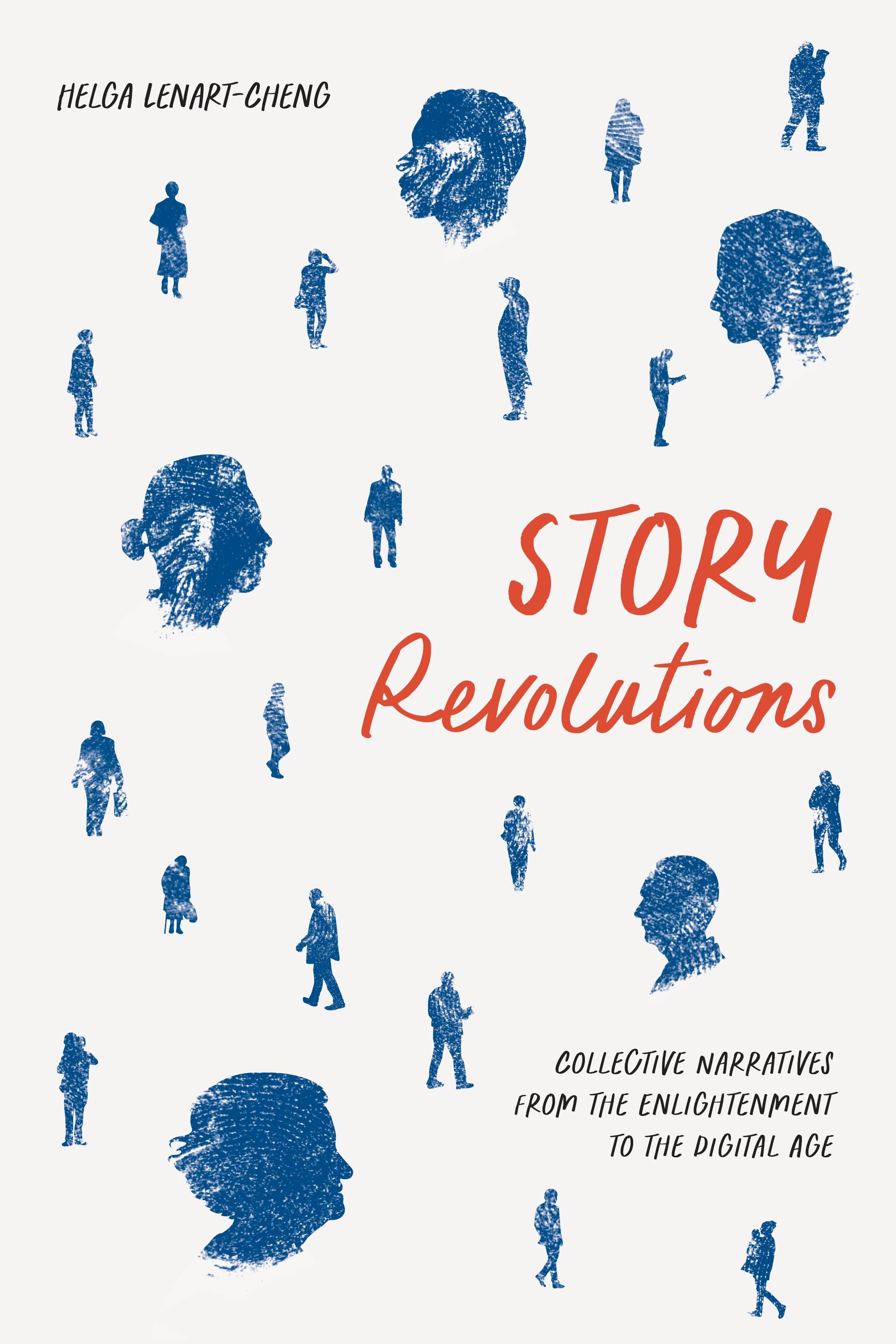
Social media has facilitated the sharing of once isolated testimonies to an extent and with an ease never before possible. The #MeToo movement provides a prime example of how such pooling of individual stories, in large enough numbers, can fuel political movements, fortify a sense of solidarity and community, and compel public reckoning by bringing important issues into mainstream consciousness.
In this timely and important study, Helga Lenart-Cheng has uncovered the antecedents of this phenomenon and provided a historical and critical analysis of this seemingly new but in fact deeply rooted tradition. Story Revolutions features a rich variety of case studies, from eighteenth-century memoir collections to contemporary Web 2.0 databases, including memoir contests, digital story-maps, crowd-sourced Covid diaries, and AI-assisted life writing. It spans the Enlightenment, the 1930s, and the twenty-first century—three historical periods marked by a convergence of mass movements and new methods of data collection that led to a boom in activism based in the aggregation and communication of stories. Ultimately, this book offers readers a critical perspective on the concept of community itself, with incisive reflections on what it means to use storytelling to build democracy in the twenty-first century.
Płać wygodnie kartą, Klarną, Apple Pay lub Google Pay. Nie jesteś zadowolony? Zawsze masz 14-dniową gwarancję zwrotu pieniędzy. Więcej przeczytasz w naszych warunkach. Masz pytania? Napisz do nas na hello@memmo.org.
Memmo ułatwia naukę – gdziekolwiek jesteś na świecie. U nas znajdziesz podręczniki i sprytne narzędzia do nauki w jednym miejscu: streszczenia, quizy, podcasty i fiszki. A do tego Ted, Twój kumpel do nauki, który odpowie na wszystko, co Cię nurtuje. Ponad 50 000 studentów już tu się uczy – stworzone, byś uczył się szybciej i mniej stresował.