
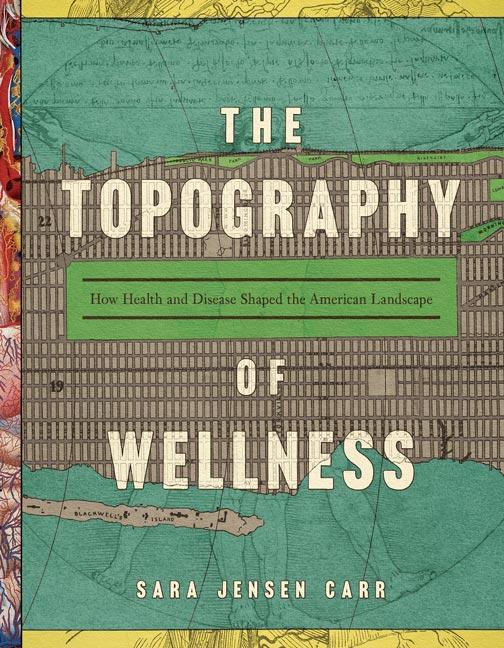
The COVID-19 pandemic has reignited discussions of how architects, landscape designers, and urban planners can shape the environment in response to disease. This challenge is both a timely topic and one with an illuminating history. In The Topography of Wellness, Sara Jensen Carr offers a chronological narrative of how six epidemics transformed the American urban landscape, reflecting changing views of the power of design, pathology of disease, and the epidemiology of the environment. From the infectious diseases of cholera and tuberculosis, to so-called social diseases of idleness and crime, to the more complicated origins of today’s chronic diseases, each illness and its associated combat strategies has left its mark on our surroundings. While each solution succeeded in eliminating the disease on some level, sweeping environmental changes often came with significant social and physical consequences. Even more unexpectedly, some adaptations inadvertently incubated future epidemics. From the Industrial Revolution to present day, this book illuminates the constant evolution of our relationship to wellness and the environment by documenting the shifting grounds of illness and the urban landscape.
Preparation of this volume has been supported by Furthermore: a program of the J. M. Kaplan Fund
Płać wygodnie kartą, Klarną, Apple Pay lub Google Pay. Nie jesteś zadowolony? Zawsze masz 14-dniową gwarancję zwrotu pieniędzy. Więcej przeczytasz w naszych warunkach. Masz pytania? Napisz do nas na hello@memmo.org.
Memmo ułatwia naukę – gdziekolwiek jesteś na świecie. U nas znajdziesz podręczniki i sprytne narzędzia do nauki w jednym miejscu: streszczenia, quizy, podcasty i fiszki. A do tego Ted, Twój kumpel do nauki, który odpowie na wszystko, co Cię nurtuje. Ponad 50 000 studentów już tu się uczy – stworzone, byś uczył się szybciej i mniej stresował.