
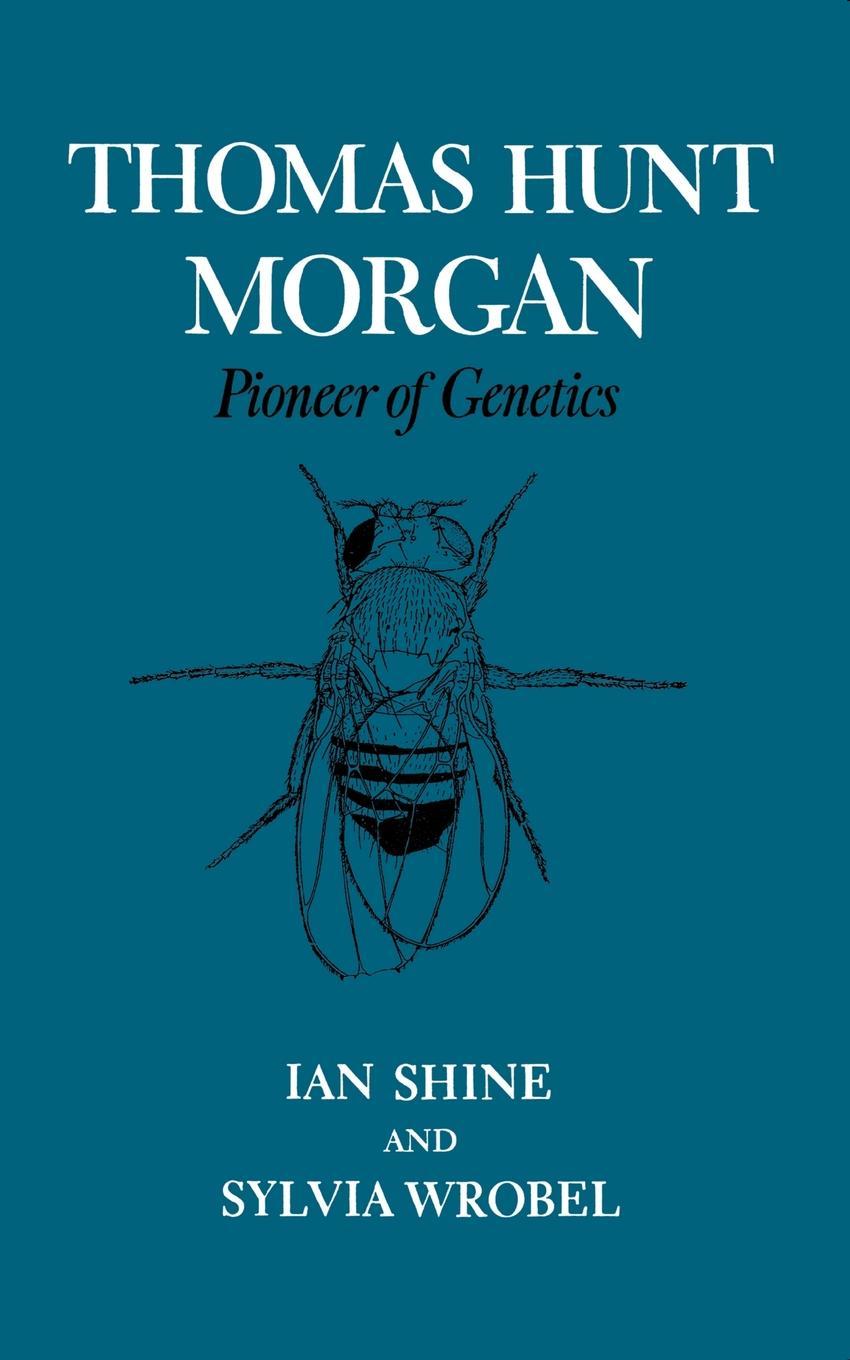
For most of his fellow Kentuckians, the accomplishments of Thomas Hunt Morgan have been overshadowed by the Civil War exploits of his uncle, the Confederate raider. Thomas Hunt Morgan: Pioneer of Genetics shows that feats performed on the frontiers of science can be as exciting as battlefield heroics, and that the "other Morgan" was as colorful a man as the general.
Thomas Hunt Morgan's most noted work, done between 1910 and 1920 at Columbia University, revealed many of the secrets if genetics. Studying hundreds of generations of the fruit fly Drosophilia melanogaster, he and the other scientists in the laboratory called the Fly Room made basic discoveries about chromosomes and the mechanism of inheritance. For these discoveries, which profoundly affected biological theory, Morgan was awarded a Nobel Prize—the first ever given for research in genetics.
Morgan was interested in many other problems in biology as well. His embryological and regeneration studies were of fundamental importance, and they too bear the mark of a scientist convinced that nature herself will provide answers to the fundamental questions of life, provided that a suitable experimental approach can be devised. Yet, despite his deep-rooted connections to Kentucky and his achievements as a Nobel prize-winning scientist, Thomas Hunt Morgan remains one of the least-known famous Kentucky sons.
Płać wygodnie kartą, Klarną, Apple Pay lub Google Pay. Nie jesteś zadowolony? Zawsze masz 14-dniową gwarancję zwrotu pieniędzy. Więcej przeczytasz w naszych warunkach. Masz pytania? Napisz do nas na hello@memmo.org.
Memmo ułatwia naukę – gdziekolwiek jesteś na świecie. U nas znajdziesz podręczniki i sprytne narzędzia do nauki w jednym miejscu: streszczenia, quizy, podcasty i fiszki. A do tego Ted, Twój kumpel do nauki, który odpowie na wszystko, co Cię nurtuje. Ponad 50 000 studentów już tu się uczy – stworzone, byś uczył się szybciej i mniej stresował.