
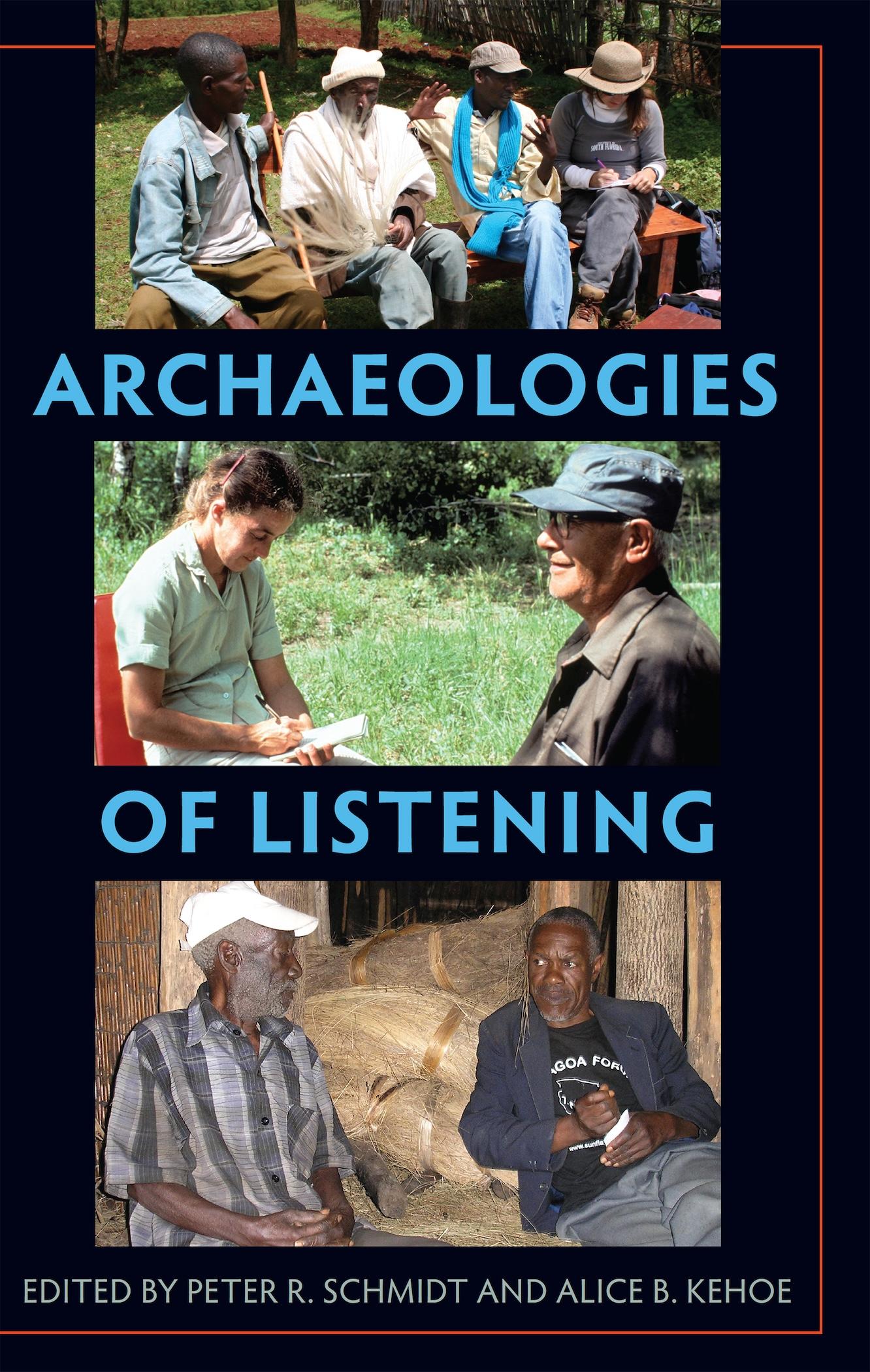
Archaeologists tend to rely on scientific methods to reconstruct past histories, an approach that can alienate local indigenous populations and limit the potential of archaeological research. Essays in this volume argue that listening to and learning from local and descendant communities is vital for interpreting the histories and heritage values of archaeological sites.
Case studies from around the world demonstrate how a humanistic perspective with people-centric practice decolonizes the discipline by unlocking an intellectual space and collaborative role for indigenous people. These examples show how listening to oral traditions has opened up broader understandings of ancient rituals in Tanzania—where indigenous knowledge paved the way to significant archaeological finds about local iron technology. Archaeologists working with owners of traditional food ovens in Northern Australia discovered the function of mysterious earth mounds nearby, and the involvement of local communities in the interpretation of the Sigiriya World Heritage Site in Sri Lanka led to a better understanding of indigenous values. The ethical implications for positioning archaeology as a way to bridge divisions are also explored. In a case study from Northern Ireland, researchers risked sparking further conflict by listening to competing narratives about the country’s political past, and a study of archival records from nineteenth-century grave excavations in British Columbia, where remains were taken without local permission, reveals why indigenous people in the region still regard archaeology with deep suspicion.
The value of cultural apprenticeship to those who have long-term relationships with the landscape is nearly forgotten today, contributors argue. This volume points the way to a reawakening of the core principles of anthropology in archaeology and heritage studies.
Płać wygodnie kartą, Klarną, Apple Pay lub Google Pay. Nie jesteś zadowolony? Zawsze masz 14-dniową gwarancję zwrotu pieniędzy. Więcej przeczytasz w naszych warunkach. Masz pytania? Napisz do nas na hello@memmo.org.
Memmo ułatwia naukę – gdziekolwiek jesteś na świecie. U nas znajdziesz podręczniki i sprytne narzędzia do nauki w jednym miejscu: streszczenia, quizy, podcasty i fiszki. A do tego Ted, Twój kumpel do nauki, który odpowie na wszystko, co Cię nurtuje. Ponad 50 000 studentów już tu się uczy – stworzone, byś uczył się szybciej i mniej stresował.