
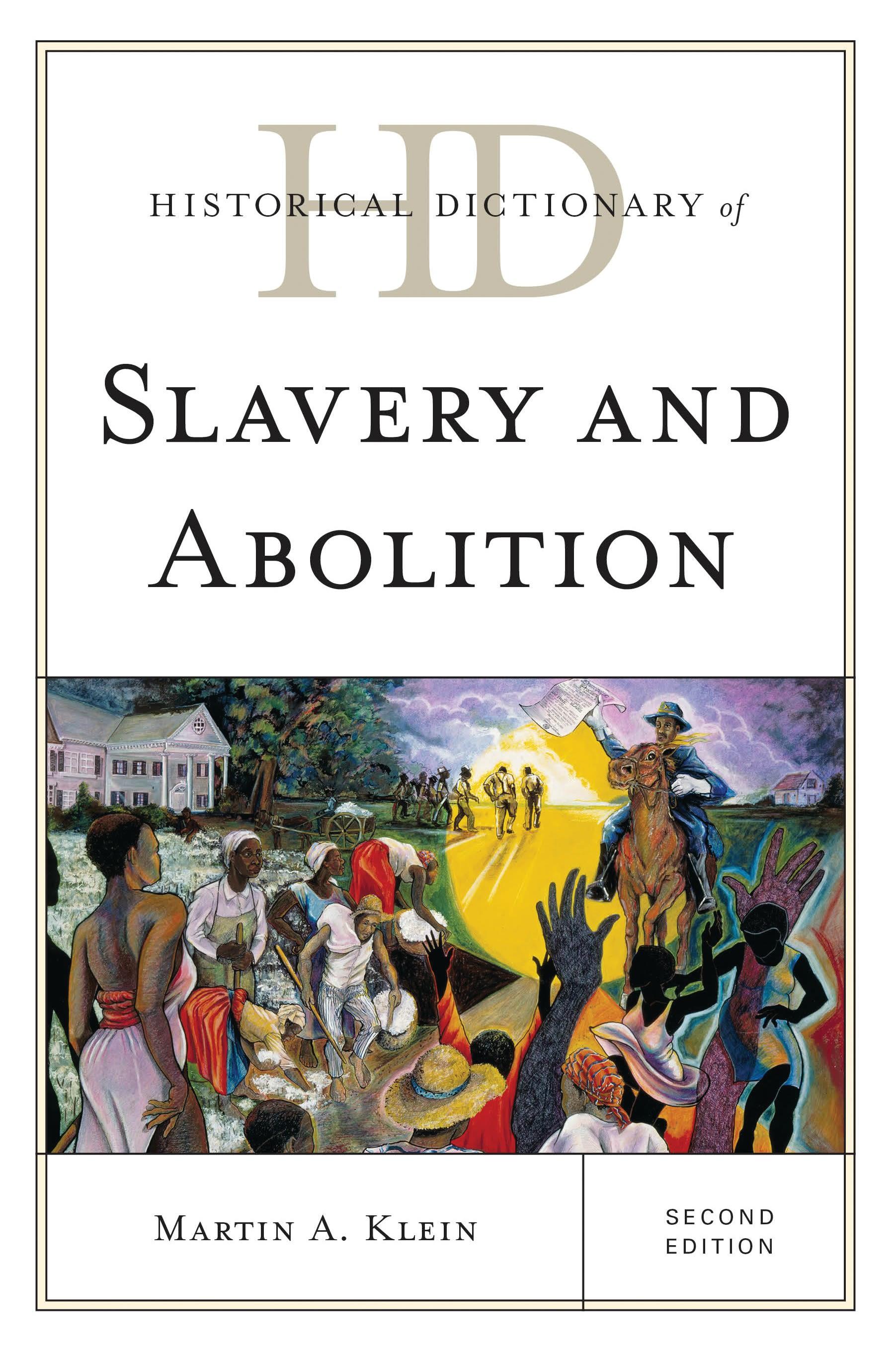
For almost four thousand years, men and women with power have exploited vulnerable populations for cheap or free labor. These slaves, serfs, helots, tenants, peons, bonded or forced laborers, etc., built pyramids and temples, dug canals and mined the earth for precious metals and gemstones. They built the palaces and mansions in which the powerful lived, grown the food they ate, spun the cloth that clothed them.
This second edition of Historical Dictionary of Slavery and Abolition relates the long and brutal history of slavery and the struggle for abolition using several key features:
Chronology Introductory essayAppendixesExtensive bibliographyOver 500 cross-referenced entries on forms of slavery, famous slaves and abolitionists, sources of slaves, and current conditions of modern slavery around the world
This book is an excellent access point for students, researchers, and anyone wanting to know more about slavery and abolition.
This second edition of Historical Dictionary of Slavery and Abolition relates the long and brutal history of slavery and the struggle for abolition using several key features:
Chronology Introductory essayAppendixesExtensive bibliographyOver 500 cross-referenced entries on forms of slavery, famous slaves and abolitionists, sources of slaves, and current conditions of modern slavery around the world
This book is an excellent access point for students, researchers, and anyone wanting to know more about slavery and abolition.
Płać wygodnie kartą, Klarną, Apple Pay lub Google Pay. Nie jesteś zadowolony? Zawsze masz 14-dniową gwarancję zwrotu pieniędzy. Więcej przeczytasz w naszych warunkach. Masz pytania? Napisz do nas na hello@memmo.org.
Memmo ułatwia naukę – gdziekolwiek jesteś na świecie. U nas znajdziesz podręczniki i sprytne narzędzia do nauki w jednym miejscu: streszczenia, quizy, podcasty i fiszki. A do tego Ted, Twój kumpel do nauki, który odpowie na wszystko, co Cię nurtuje. Ponad 50 000 studentów już tu się uczy – stworzone, byś uczył się szybciej i mniej stresował.