
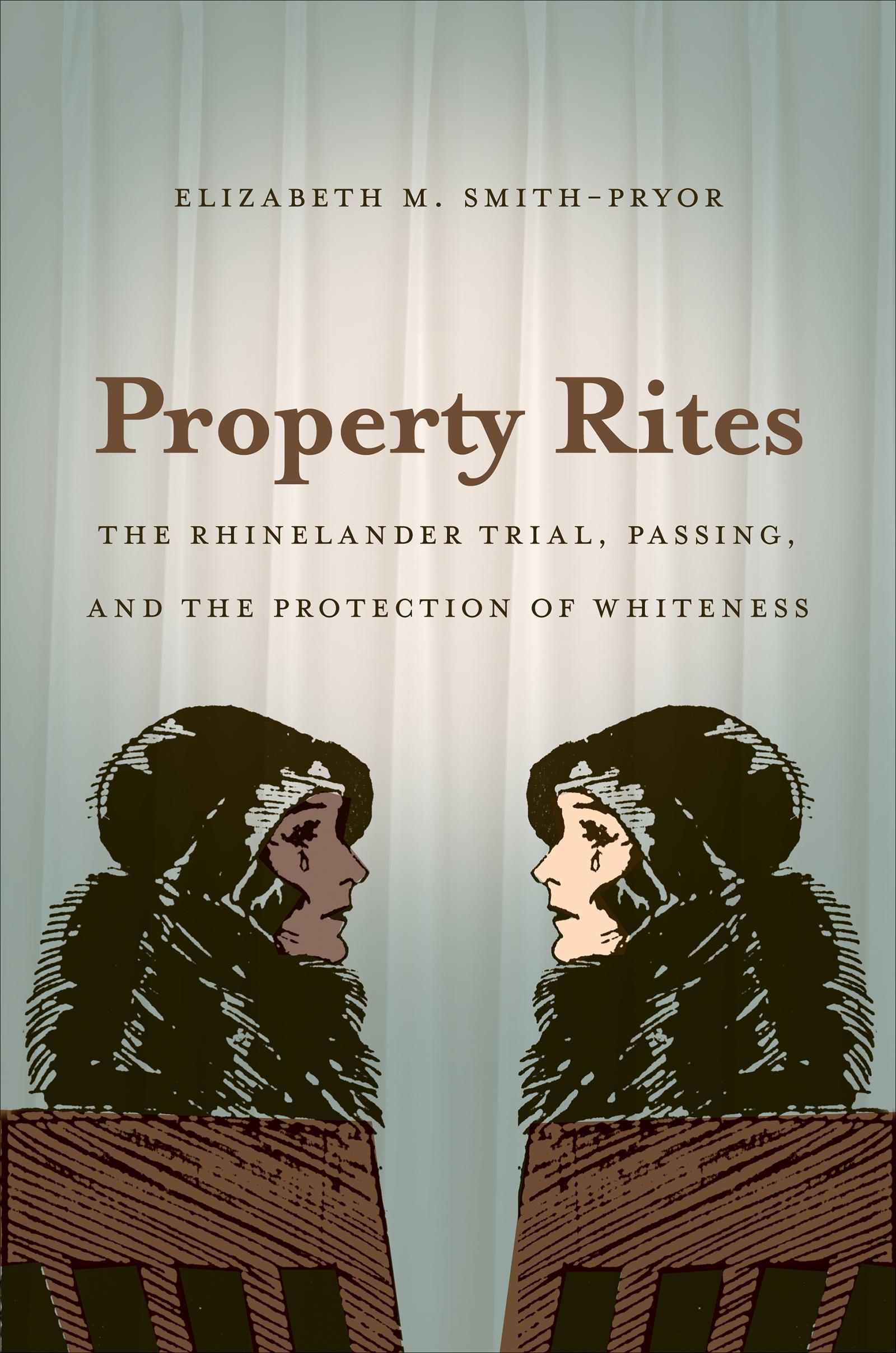
In 1925 Leonard Rhinelander, the youngest son of a wealthy New York society family, sued to end his marriage to Alice Jones, a former domestic servant and the daughter of a “colored” cabman. After being married only one month, Rhinelander pressed for the dissolution of his marriage on the grounds that his wife had lied to him about her racial background. The subsequent marital annulment trial became a massive public spectacle, not only in New York but across the nation — despite the fact that the state had never outlawed interracial marriage.
Elizabeth Smith-Pryor makes extensive use of trial transcripts, in addition to contemporary newspaper coverage and archival sources, to explore why Leonard Rhinelander was allowed his day in court. She moves fluidly between legal history, a day-by-day narrative of the trial itself, and analyses of the trial’s place in the culture of the 1920s North to show how notions of race, property, and the law were — and are — inextricably intertwined.
Elizabeth Smith-Pryor makes extensive use of trial transcripts, in addition to contemporary newspaper coverage and archival sources, to explore why Leonard Rhinelander was allowed his day in court. She moves fluidly between legal history, a day-by-day narrative of the trial itself, and analyses of the trial’s place in the culture of the 1920s North to show how notions of race, property, and the law were — and are — inextricably intertwined.
Płać wygodnie kartą, Klarną, Apple Pay lub Google Pay. Nie jesteś zadowolony? Zawsze masz 14-dniową gwarancję zwrotu pieniędzy. Więcej przeczytasz w naszych warunkach. Masz pytania? Napisz do nas na hello@memmo.org.
Memmo ułatwia naukę – gdziekolwiek jesteś na świecie. U nas znajdziesz podręczniki i sprytne narzędzia do nauki w jednym miejscu: streszczenia, quizy, podcasty i fiszki. A do tego Ted, Twój kumpel do nauki, który odpowie na wszystko, co Cię nurtuje. Ponad 50 000 studentów już tu się uczy – stworzone, byś uczył się szybciej i mniej stresował.
Może Ci się spodobać
Kup książkę0