
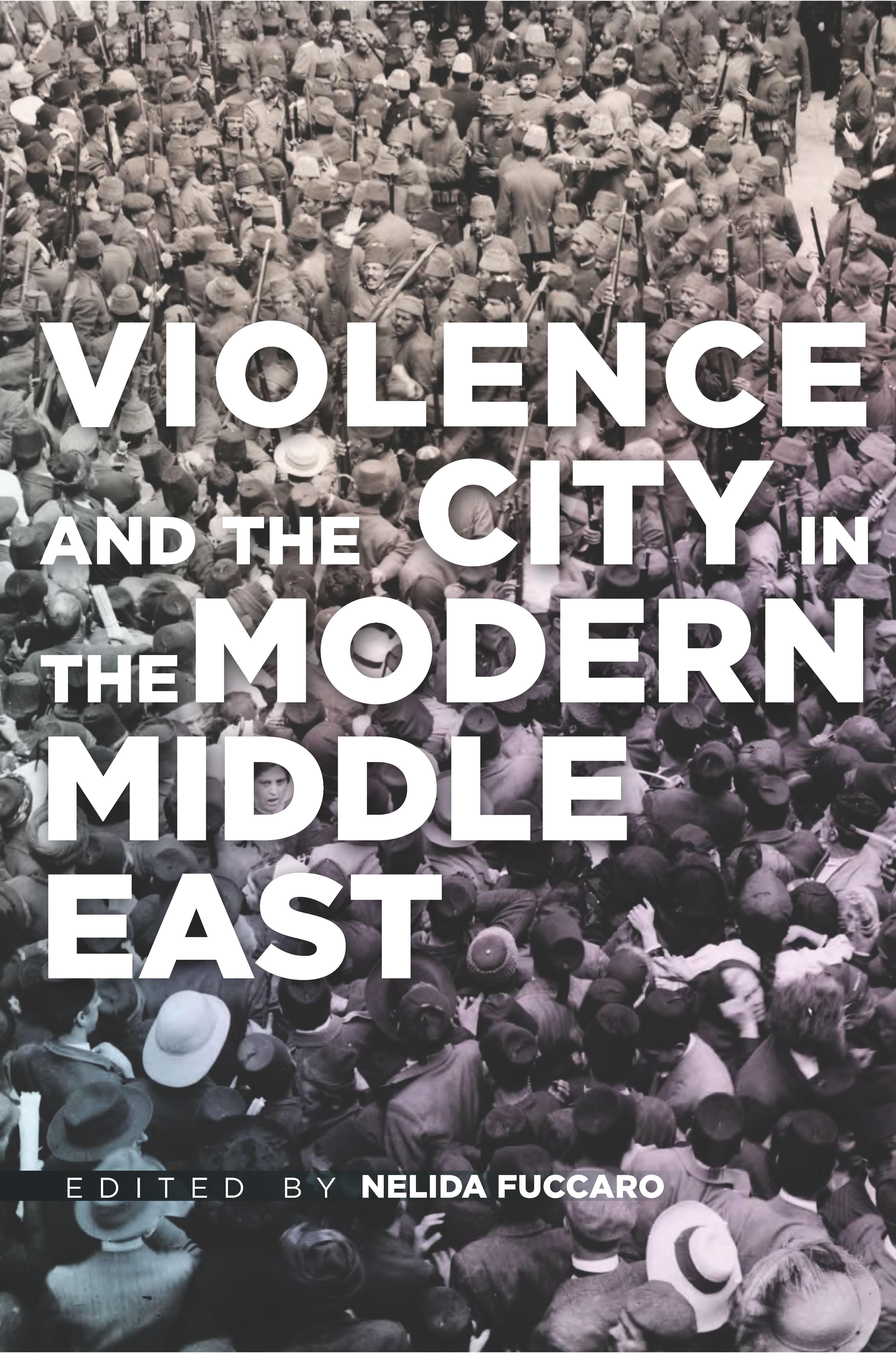
This book explores violence in the public lives of modern Middle Eastern cities, approaching violence as an individual and collective experience, a historical event, and an urban process. Violence and the city coexist in a complicated dialogue, and critical consideration of the city offers an important way to understand the transformative powers of violence—its ability to redraw the boundaries of urban life, to create and divide communities, and to affect the ruling strategies of local elites, governments, and transnational political players.
The essays included in this volume reflect the diversity of Middle Eastern urbanism from the eighteenth to the late twentieth centuries, from the capitals of Cairo, Tunis, and Baghdad to the provincial towns of Jeddah, Nablus, and Basra and the oil settlements of Dhahran and Abadan. In reconstructing the violent pasts of cities, new vistas on modern Middle Eastern history are opened, offering alternative and complementary perspectives to the making and unmaking of empires, nations, and states. Given the crucial importance of urban centers in shaping the Middle East in the modern era, and the ongoing potential of public histories to foster dialogue and reconciliation, this volume is both critical and timely.
Płać wygodnie kartą, Klarną, Apple Pay lub Google Pay. Nie jesteś zadowolony? Zawsze masz 14-dniową gwarancję zwrotu pieniędzy. Więcej przeczytasz w naszych warunkach. Masz pytania? Napisz do nas na hello@memmo.org.
Memmo ułatwia naukę – gdziekolwiek jesteś na świecie. U nas znajdziesz podręczniki i sprytne narzędzia do nauki w jednym miejscu: streszczenia, quizy, podcasty i fiszki. A do tego Ted, Twój kumpel do nauki, który odpowie na wszystko, co Cię nurtuje. Ponad 50 000 studentów już tu się uczy – stworzone, byś uczył się szybciej i mniej stresował.