
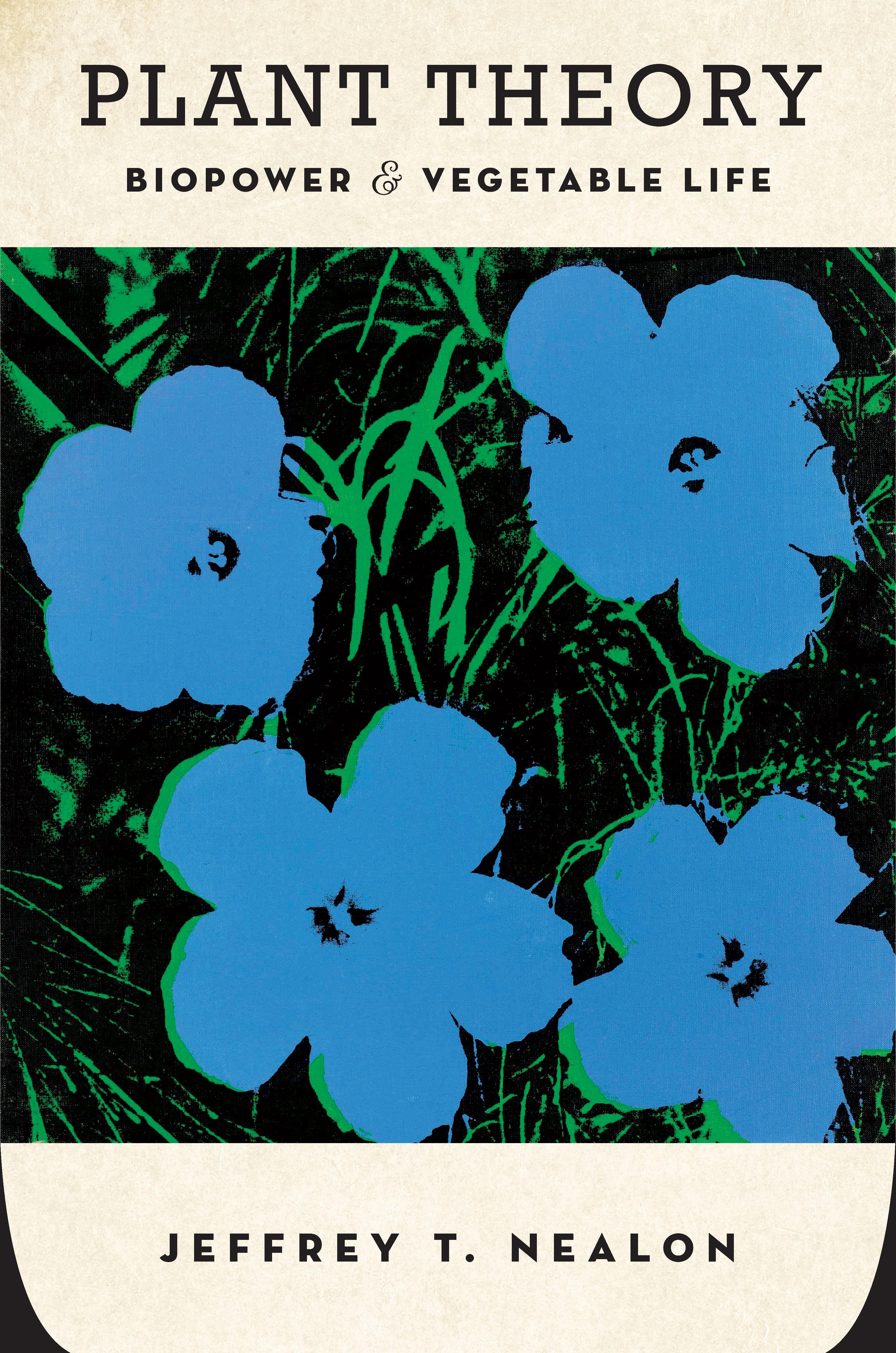
In our age of ecological disaster, this book joins the growing philosophical literature on vegetable life to ask how our present debates about biopower and animal studies change if we take plants as a linchpin for thinking about biopolitics. Logically enough, the book uses animal studies as a way into the subject, but it does so in unexpected ways. Upending critical approaches of biopolitical regimes, it argues that it is plants rather than animals that are the forgotten and abjected forms of life under humanist biopower. Indeed, biopolitical theory has consistently sidestepped the issue of vegetable life, and more recently, has been outright hostile to it. Provocatively, Jeffrey T. Nealon wonders whether animal studies, which has taken the "inventor" of biopower himself to task for speciesism, has not misread Foucault, thereby managing to extend humanist biopower rather than to curb its reach. Nealon is interested in how and why this is the case. Plant Theory turns to several other thinkers of the high theory generation in an effort to imagine new futures for the ongoing biopolitical debate.
Płać wygodnie kartą, Klarną, Apple Pay lub Google Pay. Nie jesteś zadowolony? Zawsze masz 14-dniową gwarancję zwrotu pieniędzy. Więcej przeczytasz w naszych warunkach. Masz pytania? Napisz do nas na hello@memmo.org.
Memmo ułatwia naukę – gdziekolwiek jesteś na świecie. U nas znajdziesz podręczniki i sprytne narzędzia do nauki w jednym miejscu: streszczenia, quizy, podcasty i fiszki. A do tego Ted, Twój kumpel do nauki, który odpowie na wszystko, co Cię nurtuje. Ponad 50 000 studentów już tu się uczy – stworzone, byś uczył się szybciej i mniej stresował.