
One night in December 1800, in the distant mission outpost of San Antonio in northern Mexico, Eulalia Californio and her lover Primo plotted the murder of her abusive husband. While the victim was sleeping, Prio and his brother tied a rope around Juan Californio's neck. One of them sat on his body while the other pulled on the rope and the woman, grabbing her husband by the legs, pulled in the opposite direction. After Juan Californio suffocated, Eulalia ran to the mission and reported that her husband had choked while chewing tobacco. Suspicious, the mission priests reported the crime to the authorities in charge of the nearest presidio.
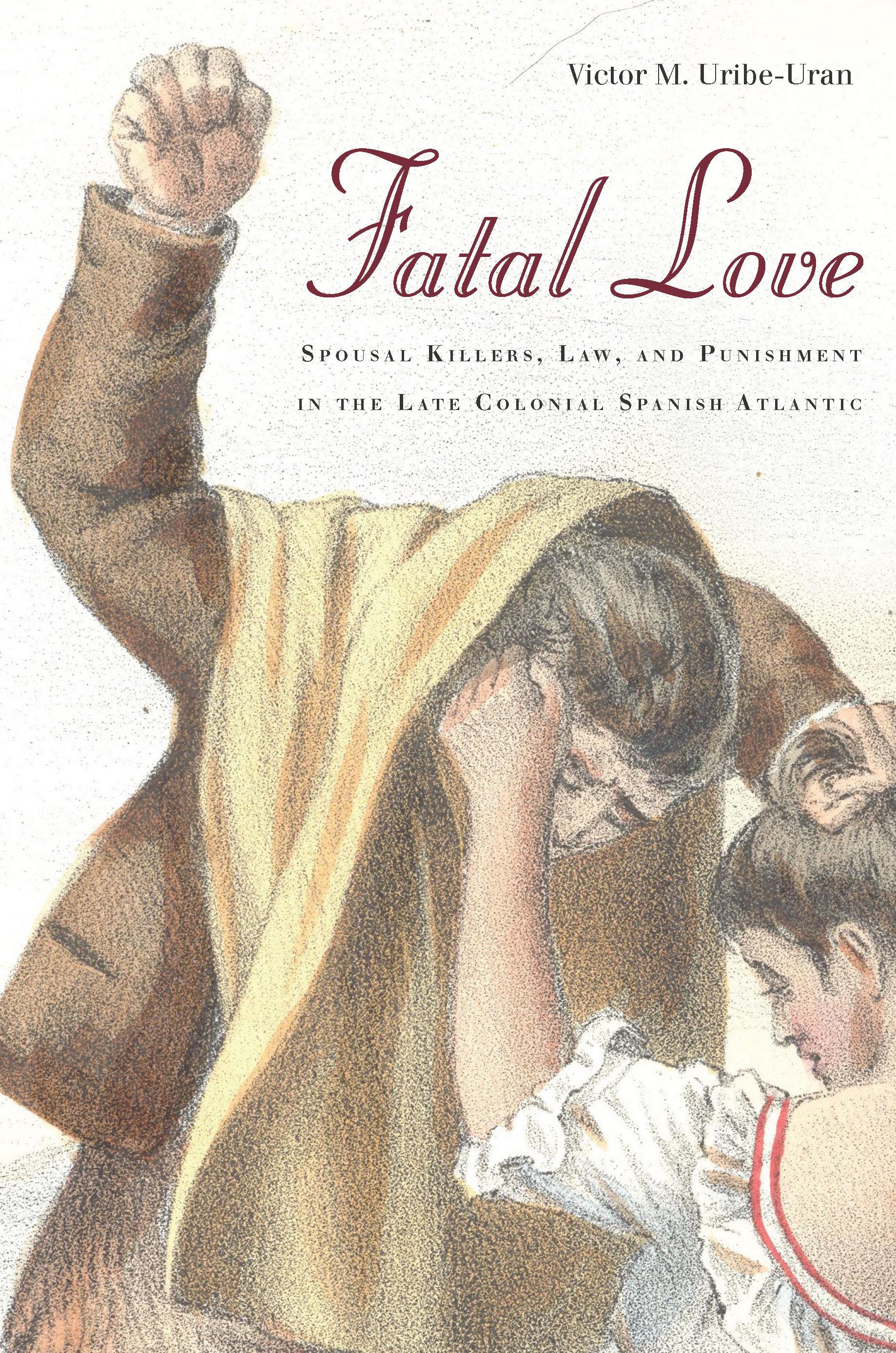
For historians, spousal murders are significant for what they reveal about social and family history, in particular the hidden history of day-to-day gender relations, conflicts, crimes, and punishments. Fatal Love examines this phenomenon in the late colonial Spanish Atlantic, focusing on incidents occurring in New Spain (colonial Mexico), New Granada (colonial Colombia), and Spain from the 1740s to the 1820s. In the more than 200 cases consulted, it considers not only the social features of the murders, but also the legal discourses and judicial practices guiding the historical treatment of spousal murders, helping us understand the historical intersection of domestic violence, private and state/church patriarchy, and the law.
Płać wygodnie kartą, Klarną, Apple Pay lub Google Pay. Nie jesteś zadowolony? Zawsze masz 14-dniową gwarancję zwrotu pieniędzy. Więcej przeczytasz w naszych warunkach. Masz pytania? Napisz do nas na hello@memmo.org.
Memmo ułatwia naukę – gdziekolwiek jesteś na świecie. U nas znajdziesz podręczniki i sprytne narzędzia do nauki w jednym miejscu: streszczenia, quizy, podcasty i fiszki. A do tego Ted, Twój kumpel do nauki, który odpowie na wszystko, co Cię nurtuje. Ponad 50 000 studentów już tu się uczy – stworzone, byś uczył się szybciej i mniej stresował.