
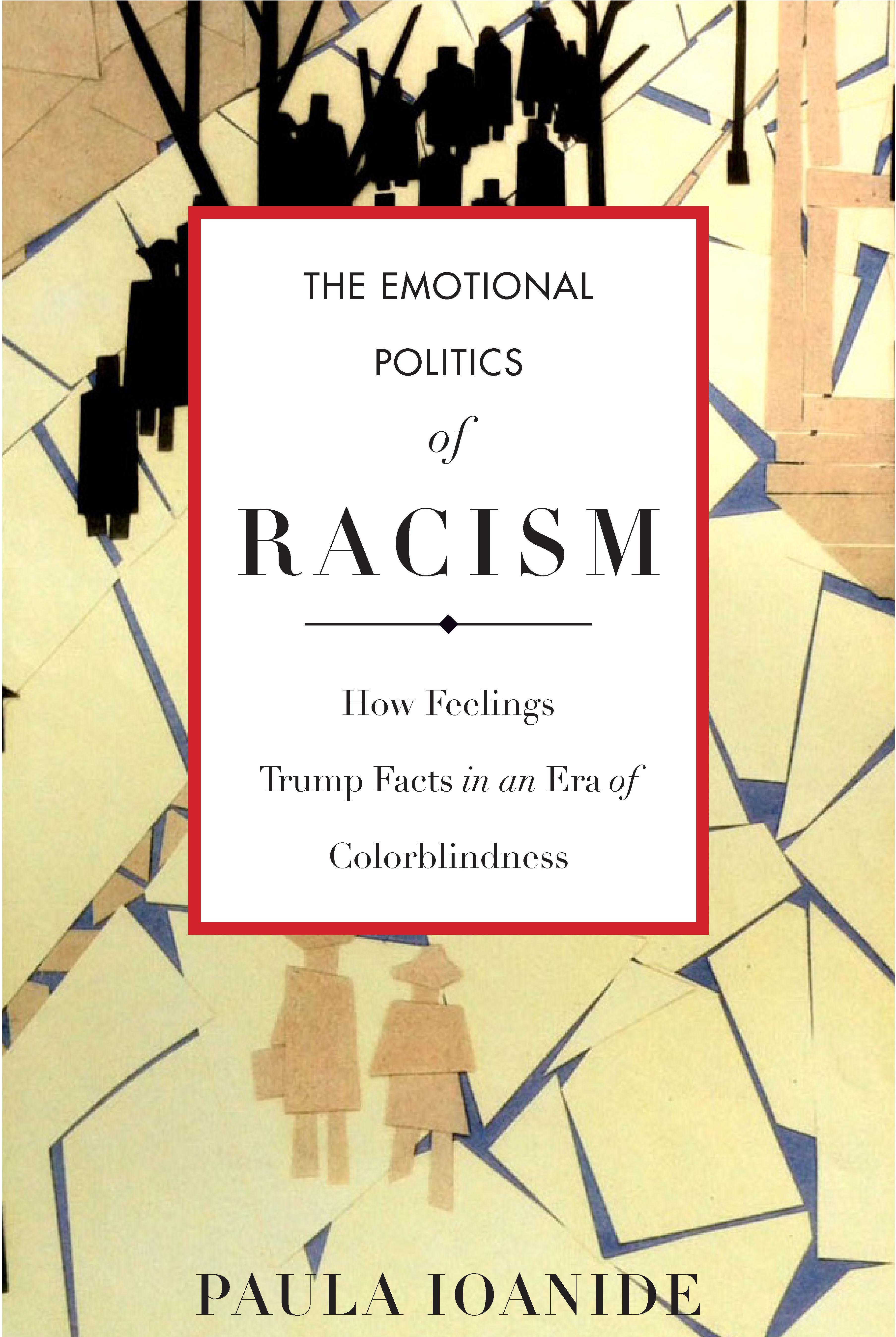
With stop-and-frisk laws, new immigration policies, and cuts to social welfare programs, majorities in the United States have increasingly supported intensified forms of punishment and marginalization against Black, Latino, Arab and Muslim people in the United States, even as a majority of citizens claim to support "colorblindness" and racial equality. With this book, Paula Ioanide examines how emotion has prominently figured into these contemporary expressions of racial discrimination and violence. How U.S. publics dominantly feel about crime, terrorism, welfare, and immigration often seems to trump whatever facts and evidence say about these politicized matters.
Though four case studies—the police brutality case of Abner Louima; the exposure of torture at Abu Ghraib; the demolition of New Orleans public housing units following Hurricane Katrina; and a proposed municipal ordinance to deny housing to undocumented immigrants in Escondido, CA—Ioanide shows how racial fears are perpetuated, and how these widespread fears have played a central role in justifying the expansion of our military and prison system and the ongoing divestment from social welfare. But Ioanide also argues that within each of these cases there is opportunity for new mobilizations, for ethical witnessing: we must also popularize desires for justice and increase people's receptivity to the testimonies of the oppressed by reorganizing embodied and unconscious structures of feeling.
Płać wygodnie kartą, Klarną, Apple Pay lub Google Pay. Nie jesteś zadowolony? Zawsze masz 14-dniową gwarancję zwrotu pieniędzy. Więcej przeczytasz w naszych warunkach. Masz pytania? Napisz do nas na hello@memmo.org.
Memmo ułatwia naukę – gdziekolwiek jesteś na świecie. U nas znajdziesz podręczniki i sprytne narzędzia do nauki w jednym miejscu: streszczenia, quizy, podcasty i fiszki. A do tego Ted, Twój kumpel do nauki, który odpowie na wszystko, co Cię nurtuje. Ponad 50 000 studentów już tu się uczy – stworzone, byś uczył się szybciej i mniej stresował.