
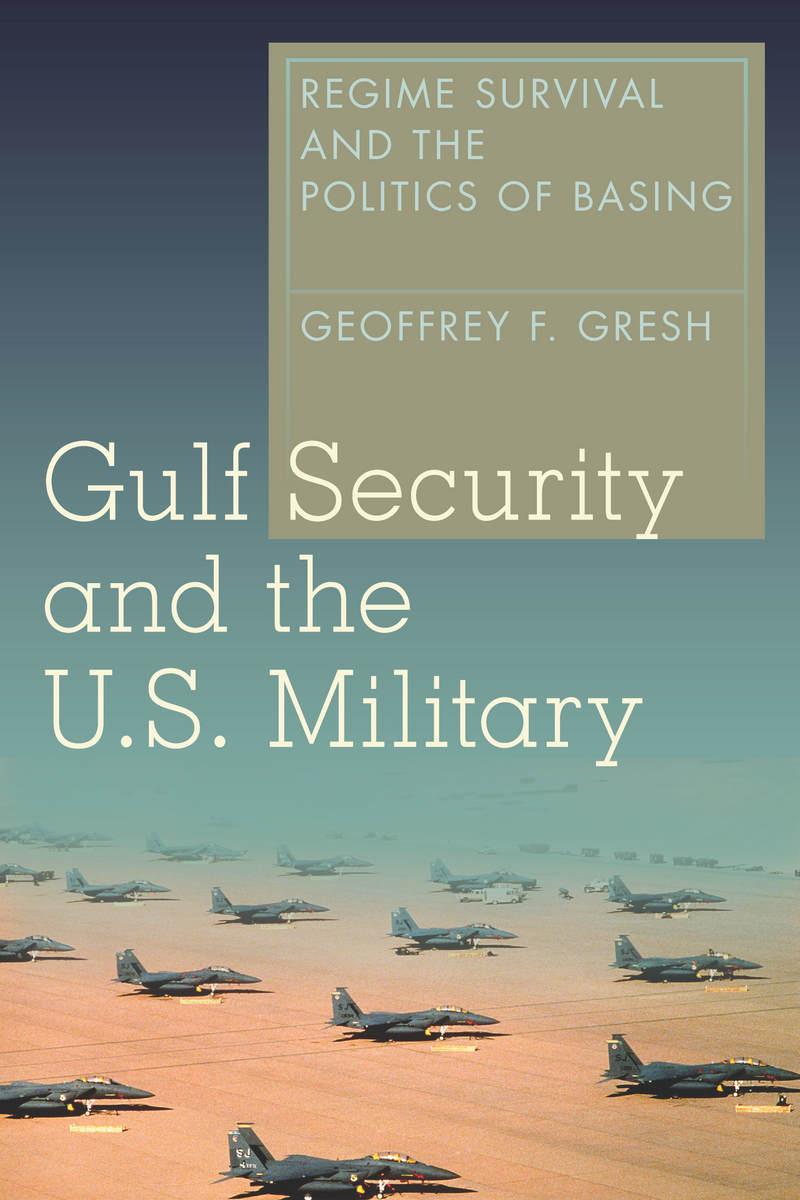
The U.S. military maintains a significant presence across the Arabian Peninsula but it must now confront a new and emerging dynamic as most Gulf Cooperation Council countries have begun to diversify their political, economic, and security partnerships with countries other than the United States—with many turning to ascending powers such as China, Russia, and India. For Gulf Arab monarchies, the choice of security partner is made more complicated by increased domestic and regional instability stemming in part from Iraq, Syria, and a menacing Iran: factors that threaten to alter totally the Middle East security dynamic.
Understanding the dynamics of base politicization in a Gulf host nation—or any other—is therefore vitally important for the U.S. today. Gulf National Security and the U.S. Military examines both Gulf Arab national security and U.S. military basing relations with Gulf Arab monarchy hosts from the Second World War to the present day. Three in-depth country cases—Saudi Arabia, Bahrain, and Oman—help explain the important questions posed by the author regarding when and why a host nation either terminated a U.S. military basing presence or granted U.S. military basing access.
The analysis of the cases offers a fresh perspective on how the United States has adapted to sometimes rapidly shifting Middle East security dynamics and factors that influence a host nation's preference for eviction or renegotiation, based on its perception of internal versus external threats.
Płać wygodnie kartą, Klarną, Apple Pay lub Google Pay. Nie jesteś zadowolony? Zawsze masz 14-dniową gwarancję zwrotu pieniędzy. Więcej przeczytasz w naszych warunkach. Masz pytania? Napisz do nas na hello@memmo.org.
Memmo ułatwia naukę – gdziekolwiek jesteś na świecie. U nas znajdziesz podręczniki i sprytne narzędzia do nauki w jednym miejscu: streszczenia, quizy, podcasty i fiszki. A do tego Ted, Twój kumpel do nauki, który odpowie na wszystko, co Cię nurtuje. Ponad 50 000 studentów już tu się uczy – stworzone, byś uczył się szybciej i mniej stresował.