
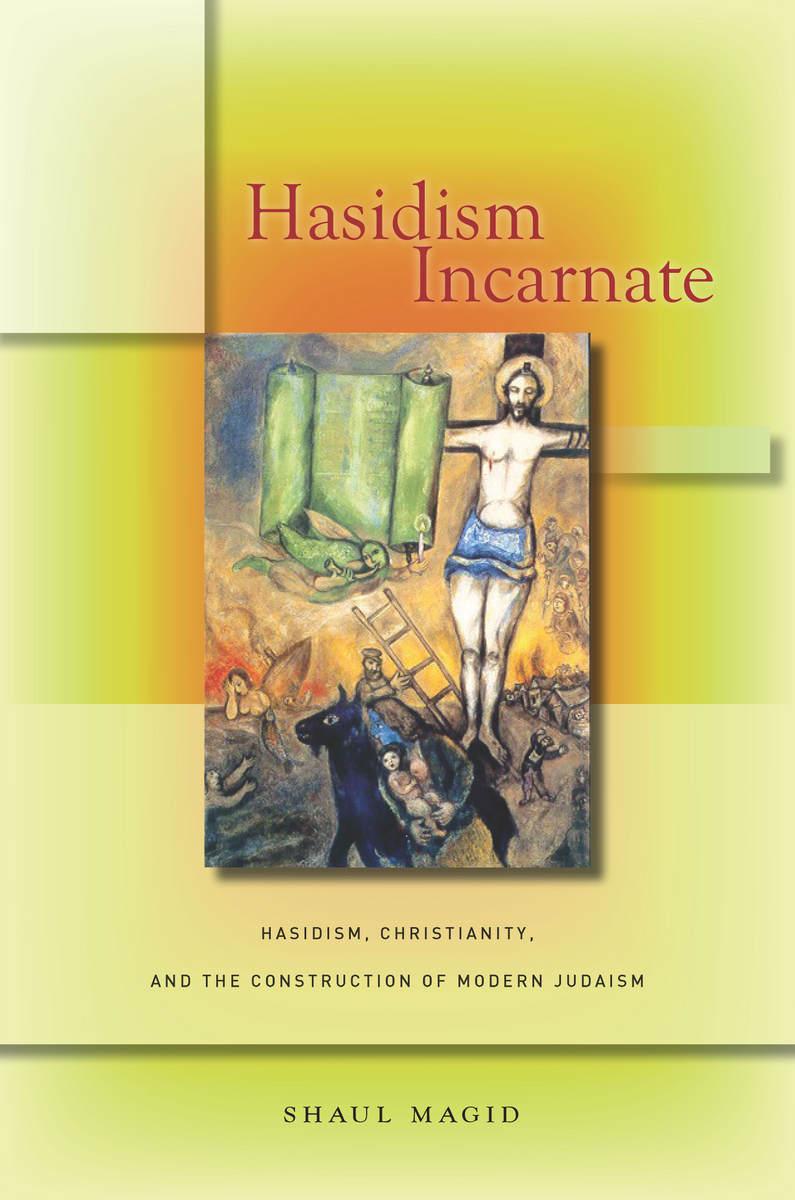
Hasidism Incarnate contends that much of modern Judaism in the West developed in reaction to Christianity and in defense of Judaism as a unique tradition. Ironically enough, this occurred even as modern Judaism increasingly dovetailed with Christianity with regard to its ethos, aesthetics, and attitude toward ritual and faith. Shaul Magid argues that the Hasidic movement in Eastern Europe constitutes an alternative "modernity," one that opens a new window on Jewish theological history. Unlike Judaism in German lands, Hasidism did not develop under a "Christian gaze" and had no need to be apologetic of its positions. Unburdened by an apologetic agenda (at least toward Christianity), it offered a particular reading of medieval Jewish Kabbalah filtered through a focus on the charismatic leader that resulted in a religious worldview that has much in common with Christianity. It is not that Hasidic masters knew about Christianity; rather, the basic tenets of Christianity remained present, albeit often in veiled form, in much kabbalistic teaching that Hasidism took up in its portrayal of the charismatic figure of the zaddik, whom it often described in supernatural terms.
Płać wygodnie kartą, Klarną, Apple Pay lub Google Pay. Nie jesteś zadowolony? Zawsze masz 14-dniową gwarancję zwrotu pieniędzy. Więcej przeczytasz w naszych warunkach. Masz pytania? Napisz do nas na hello@memmo.org.
Memmo ułatwia naukę – gdziekolwiek jesteś na świecie. U nas znajdziesz podręczniki i sprytne narzędzia do nauki w jednym miejscu: streszczenia, quizy, podcasty i fiszki. A do tego Ted, Twój kumpel do nauki, który odpowie na wszystko, co Cię nurtuje. Ponad 50 000 studentów już tu się uczy – stworzone, byś uczył się szybciej i mniej stresował.