
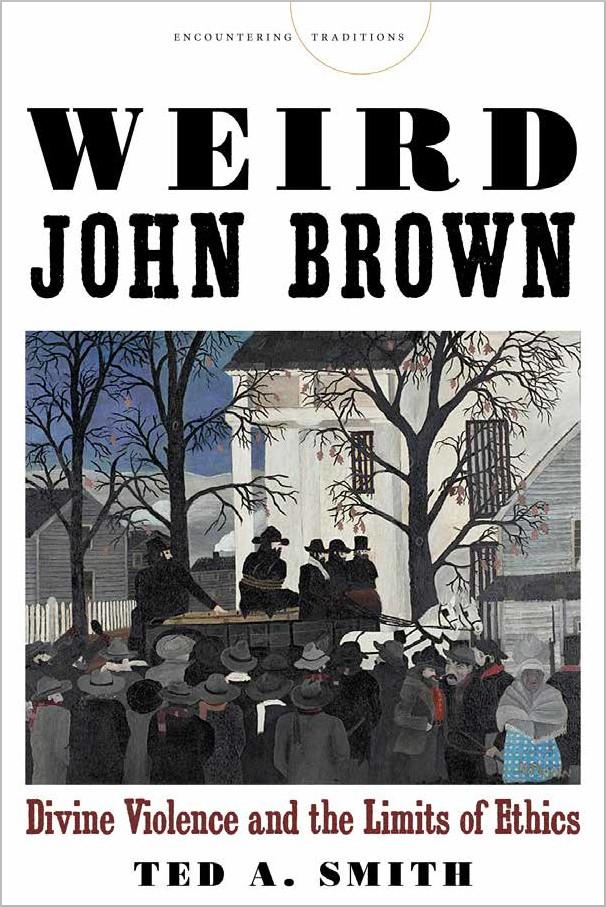
Conventional wisdom holds that attempts to combine religion and politics will produce unlimited violence. Concepts such as jihad, crusade, and sacrifice need to be rooted out, the story goes, for the sake of more bounded and secular understandings of violence. Ted Smith upends this dominant view, drawing on Walter Benjamin, Giorgio Agamben, and others to trace the ways that seemingly secular politics produce their own forms of violence without limit. He brings this argument to life—and digs deep into the American political imagination—through a string of surprising reflections on John Brown, the nineteenth-century abolitionist who took up arms against the state in the name of a higher law. Smith argues that the key to limiting violence is not its separation from religion, but its connection to richer and more critical modes of religious reflection. Weird John Brown develops a negative political theology that challenges both the ways we remember American history and the ways we think about the nature, meaning, and exercise of violence.
Płać wygodnie kartą, Klarną, Apple Pay lub Google Pay. Nie jesteś zadowolony? Zawsze masz 14-dniową gwarancję zwrotu pieniędzy. Więcej przeczytasz w naszych warunkach. Masz pytania? Napisz do nas na hello@memmo.org.
Memmo ułatwia naukę – gdziekolwiek jesteś na świecie. U nas znajdziesz podręczniki i sprytne narzędzia do nauki w jednym miejscu: streszczenia, quizy, podcasty i fiszki. A do tego Ted, Twój kumpel do nauki, który odpowie na wszystko, co Cię nurtuje. Ponad 50 000 studentów już tu się uczy – stworzone, byś uczył się szybciej i mniej stresował.