
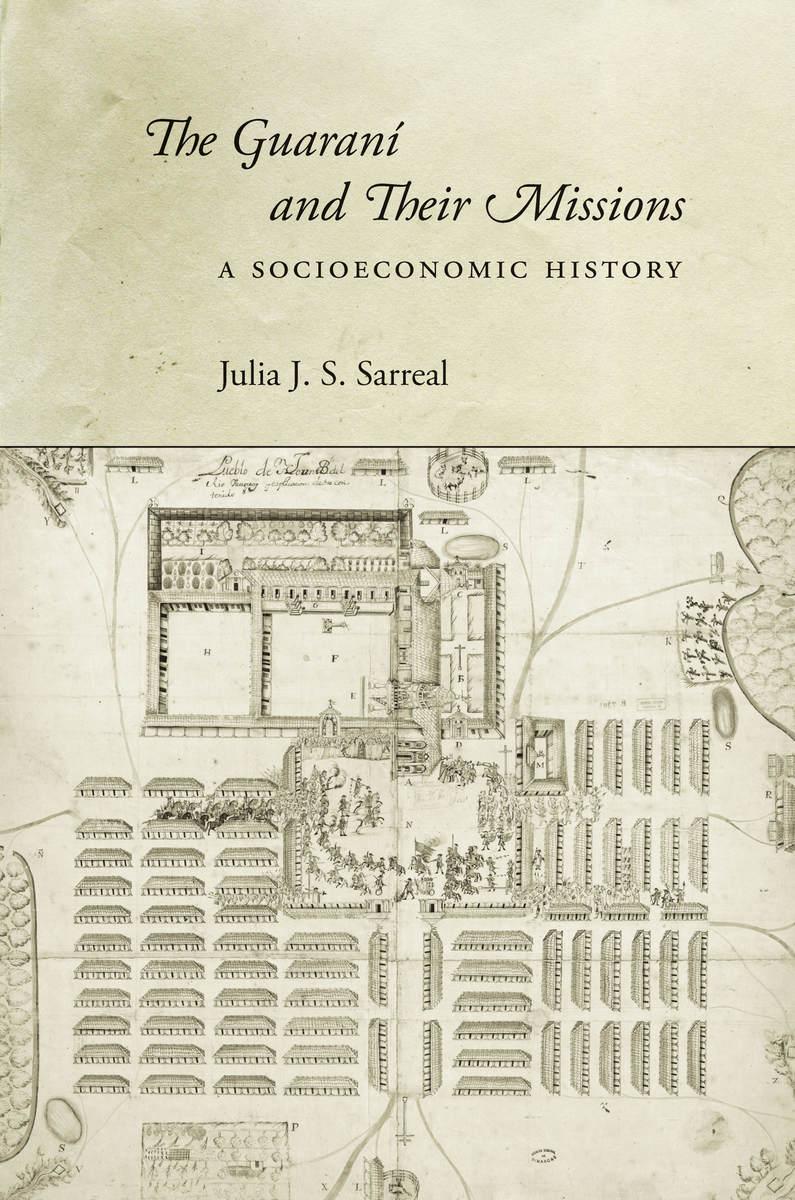
The thirty Guaraní missions of the Río de la Plata were the largest and most prosperous of all the Catholic missions established throughout the frontier regions of the Americas to convert, acculturate, and incorporate indigenous peoples and their lands into the Spanish and Portuguese empires. But between 1768 and 1800, the mission population fell by almost half and the economy became insolvent. This unique socioeconomic history provides a coherent and comprehensive explanation for the missions' operation and decline, providing readers with an understanding of the material changes experienced by the Guaraní in their day-to-day lives.
Although the mission economy funded operations, sustained the population, and influenced daily routines, scholars have not focused on this important aspect of Guaraní history, primarily producing studies of religious and cultural change. This book employs mission account books, letters, and other archival materials to trace the Guaraní mission work regime and to examine how the Guaraní shaped the mission economy. These materials enable the author to poke holes in longheld beliefs about Jesuit mission management and offer original arguments regarding the Bourbon reforms that ultimately made the missions unsustainable.
Płać wygodnie kartą, Klarną, Apple Pay lub Google Pay. Nie jesteś zadowolony? Zawsze masz 14-dniową gwarancję zwrotu pieniędzy. Więcej przeczytasz w naszych warunkach. Masz pytania? Napisz do nas na hello@memmo.org.
Memmo ułatwia naukę – gdziekolwiek jesteś na świecie. U nas znajdziesz podręczniki i sprytne narzędzia do nauki w jednym miejscu: streszczenia, quizy, podcasty i fiszki. A do tego Ted, Twój kumpel do nauki, który odpowie na wszystko, co Cię nurtuje. Ponad 50 000 studentów już tu się uczy – stworzone, byś uczył się szybciej i mniej stresował.