
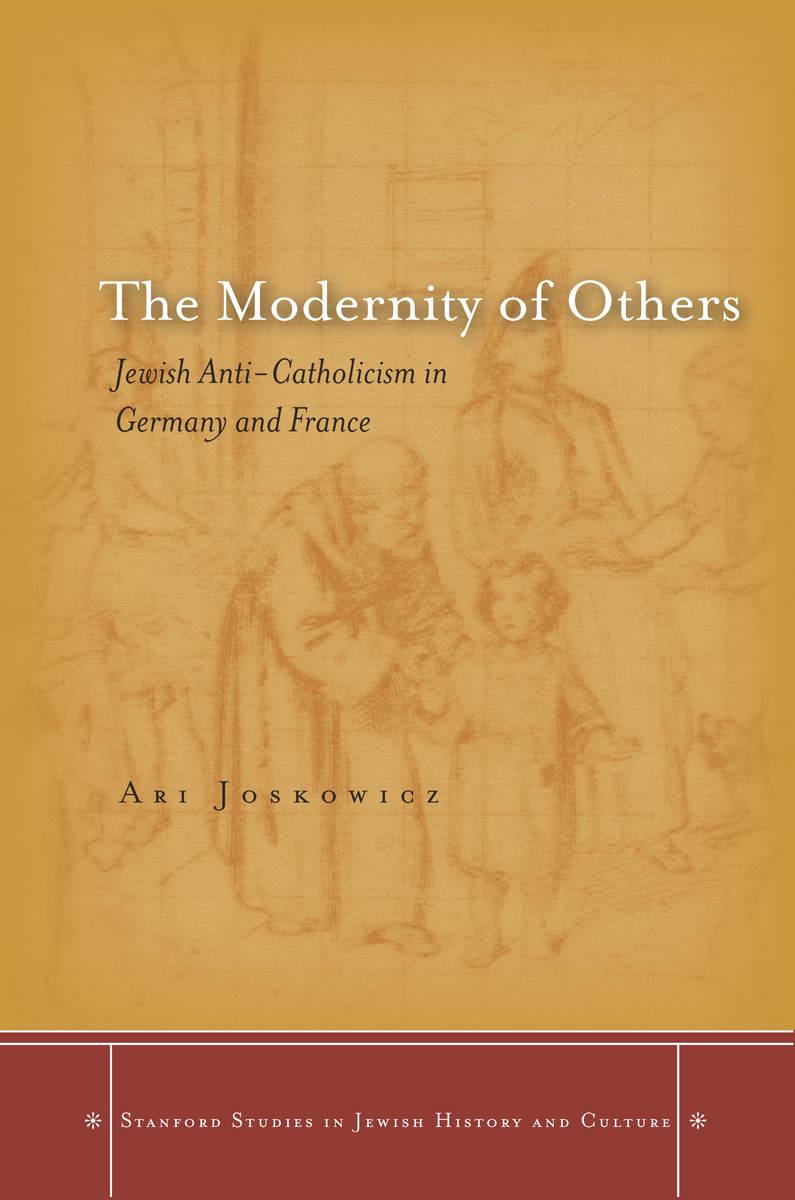
The most prominent story of nineteenth-century German and French Jewry has focused on Jewish adoption of liberal middle-class values. The Modernity of Others points to an equally powerful but largely unexplored aspect of modern Jewish history: the extent to which German and French Jews sought to become modern by criticizing the anti-modern positions of the Catholic Church. Drawing attention to the pervasiveness of anti-Catholic anticlericalism among Jewish thinkers and activists from the late eighteenth to the early twentieth century, the book turns the master narrative of Western and Central European Jewish history on its head. From the moment in which Jews began to enter the fray of modern European politics, they found that Catholicism served as a convenient foil that helped them define what it meant to be a good citizen, to practice a respectable religion, and to have a healthy family life. Throughout the long nineteenth century, myriad Jewish intellectuals, politicians, and activists employed anti-Catholic tropes wherever questions of political and national belonging were at stake: in theoretical treatises, parliamentary speeches, newspaper debates, the founding moments of the Reform movement, and campaigns against antisemitism.
Płać wygodnie kartą, Klarną, Apple Pay lub Google Pay. Nie jesteś zadowolony? Zawsze masz 14-dniową gwarancję zwrotu pieniędzy. Więcej przeczytasz w naszych warunkach. Masz pytania? Napisz do nas na hello@memmo.org.
Memmo ułatwia naukę – gdziekolwiek jesteś na świecie. U nas znajdziesz podręczniki i sprytne narzędzia do nauki w jednym miejscu: streszczenia, quizy, podcasty i fiszki. A do tego Ted, Twój kumpel do nauki, który odpowie na wszystko, co Cię nurtuje. Ponad 50 000 studentów już tu się uczy – stworzone, byś uczył się szybciej i mniej stresował.