
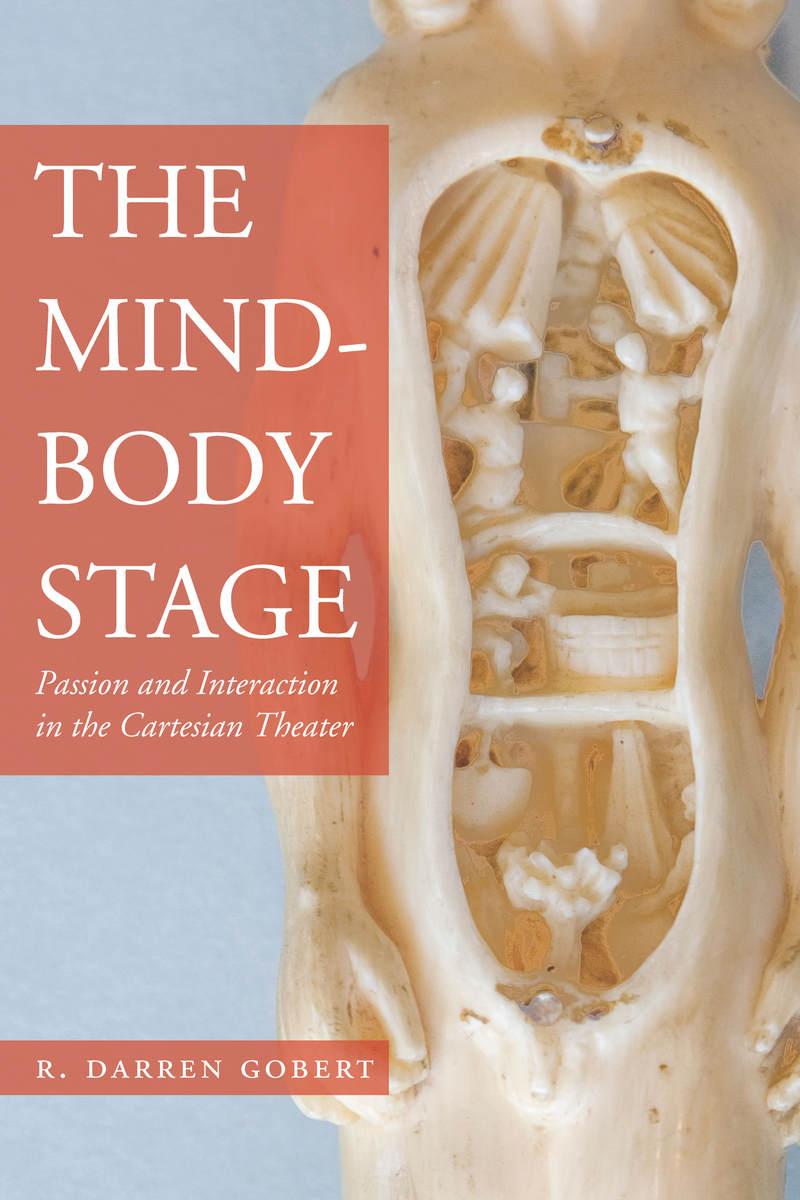
Descartes's notion of subjectivity changed the way characters would be written, performed by actors, and received by audiences. His coordinate system reshaped how theatrical space would be conceived and built. His theory of the passions revolutionized our understanding of the emotional exchange between spectacle and spectators. Yet theater scholars have not seen Descartes's transformational impact on theater history. Nor have philosophers looked to this history to understand his reception and impact. After Descartes, playwrights put Cartesian characters on the stage and thematized their rational workings. Actors adapted their performances to account for new models of subjectivity and physiology. Critics theorized the theater's emotional and ethical benefits in Cartesian terms. Architects fostered these benefits by altering their designs.
The Mind-Body Stage provides a dazzlingly original picture of one of the most consequential and confusing periods in the histories of modern theater and philosophy. Interdisciplinary and comparatist in scope, it uses methodological techniques from literary study, philosophy, theater history, and performance studies and draws on scores of documents (including letters, libretti, religious jeremiads, aesthetic treatises, and architectural plans) from several countries.
Płać wygodnie kartą, Klarną, Apple Pay lub Google Pay. Nie jesteś zadowolony? Zawsze masz 14-dniową gwarancję zwrotu pieniędzy. Więcej przeczytasz w naszych warunkach. Masz pytania? Napisz do nas na hello@memmo.org.
Memmo ułatwia naukę – gdziekolwiek jesteś na świecie. U nas znajdziesz podręczniki i sprytne narzędzia do nauki w jednym miejscu: streszczenia, quizy, podcasty i fiszki. A do tego Ted, Twój kumpel do nauki, który odpowie na wszystko, co Cię nurtuje. Ponad 50 000 studentów już tu się uczy – stworzone, byś uczył się szybciej i mniej stresował.