
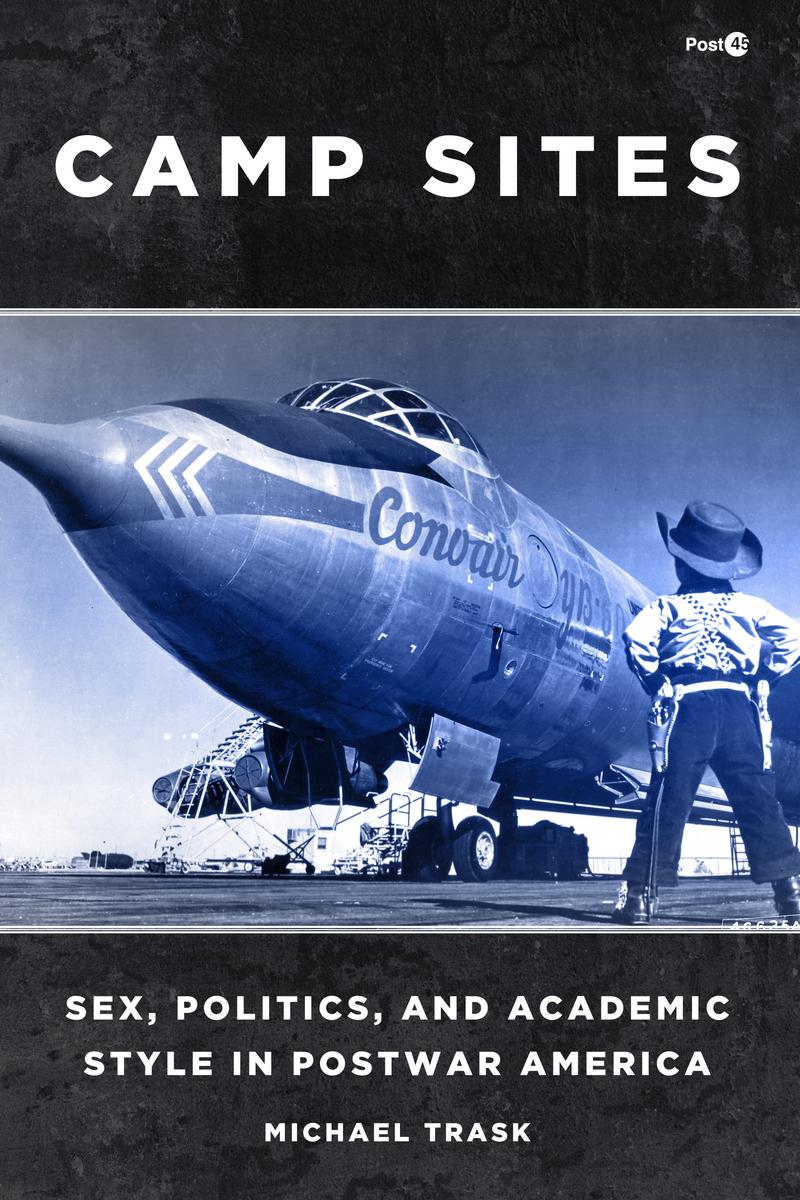
Reading across the disciplines of the mid-century university, this book argues that the political shift in postwar America from consensus liberalism to New Left radicalism entailed as many continuities as ruptures. Both Cold War liberals and radicals understood the university as a privileged site for "doing politics," and both exiled homosexuality from the political ideals each group favored. Liberals, who advanced a politics of style over substance, saw gay people as unable to separate the two, as incapable of maintaining the opportunistic suspension of disbelief on which a tough-minded liberalism depended. Radicals, committed to a politics of authenticity, saw gay people as hopelessly beholden to the role-playing and duplicity that the radicals condemned in their liberal forebears.
Camp Sites considers key themes of postwar culture, from the conflict between performance and authenticity to the rise of the meritocracy, through the lens of camp, the underground sensibility of pre-Stonewall gay life. In so doing, it argues that our basic assumptions about the social style of the postwar milieu are deeply informed by certain presuppositions about homosexual experience and identity, and that these presuppositions remain stubbornly entrenched despite our post-Stonewall consciousness-raising.
Płać wygodnie kartą, Klarną, Apple Pay lub Google Pay. Nie jesteś zadowolony? Zawsze masz 14-dniową gwarancję zwrotu pieniędzy. Więcej przeczytasz w naszych warunkach. Masz pytania? Napisz do nas na hello@memmo.org.
Memmo ułatwia naukę – gdziekolwiek jesteś na świecie. U nas znajdziesz podręczniki i sprytne narzędzia do nauki w jednym miejscu: streszczenia, quizy, podcasty i fiszki. A do tego Ted, Twój kumpel do nauki, który odpowie na wszystko, co Cię nurtuje. Ponad 50 000 studentów już tu się uczy – stworzone, byś uczył się szybciej i mniej stresował.