
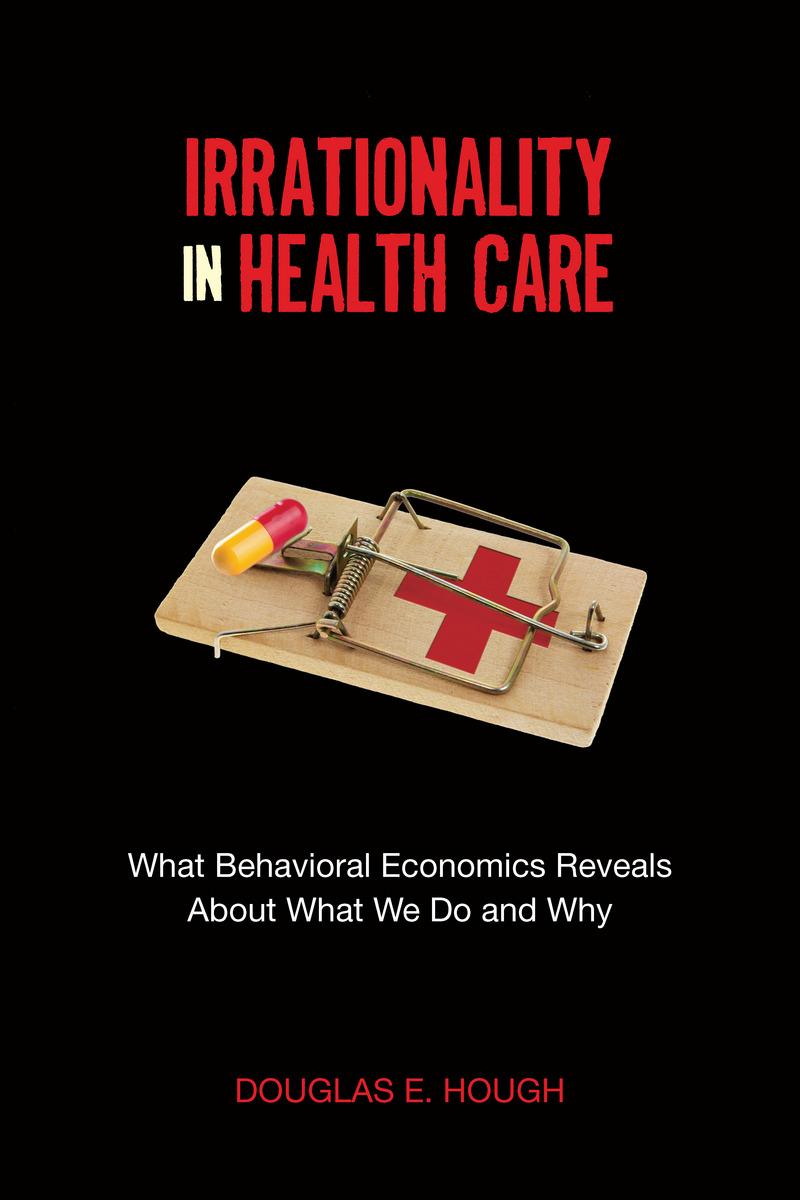
The health care industry in the U.S. is peculiar. We spend close to 18% of our GDP on health care, yet other countries get better results—and we don't know why. To date, we still lack widely accepted answers to simple questions, such as "Would requiring everyone to buy health insurance make us better off?" Drawing on behavioral economics as an alternative to the standard tools of health economics, author Douglas E. Hough seeks to more clearly diagnose the ills of health care today.
A behavioral perspective makes sense of key contradictions—from the seemingly irrational choices that we sometimes make as patients, to the incongruous behavior of physicians, to the morass of the long-lived debate surrounding reform. With the new health care law in effect, it is more important than ever that consumers, health care industry leaders, and the policymakers who are governing change reckon with the power and sources of our behavior when it comes to health.
Płać wygodnie kartą, Klarną, Apple Pay lub Google Pay. Nie jesteś zadowolony? Zawsze masz 14-dniową gwarancję zwrotu pieniędzy. Więcej przeczytasz w naszych warunkach. Masz pytania? Napisz do nas na hello@memmo.org.
Memmo ułatwia naukę – gdziekolwiek jesteś na świecie. U nas znajdziesz podręczniki i sprytne narzędzia do nauki w jednym miejscu: streszczenia, quizy, podcasty i fiszki. A do tego Ted, Twój kumpel do nauki, który odpowie na wszystko, co Cię nurtuje. Ponad 50 000 studentów już tu się uczy – stworzone, byś uczył się szybciej i mniej stresował.