
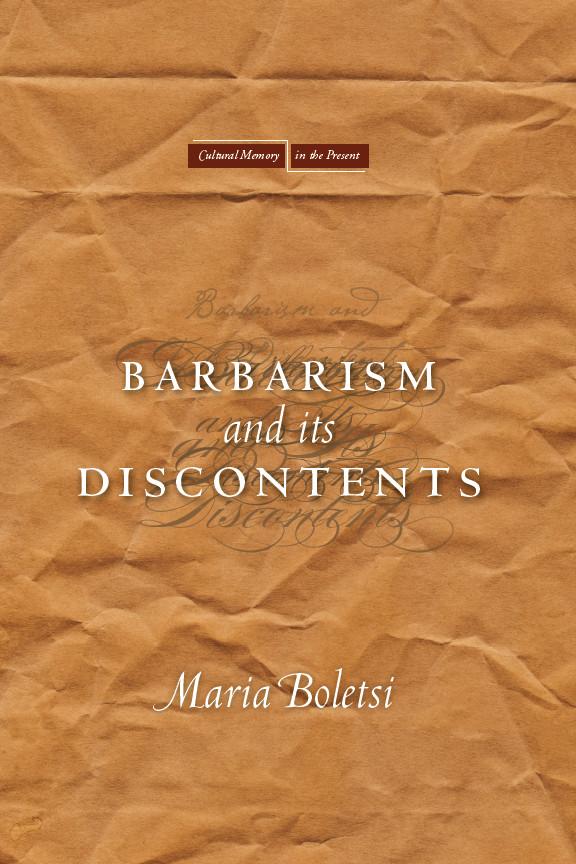
Barbarism and civilization form one of the oldest and most rigid oppositions in Western history. According to this dichotomy, barbarism functions as the negative standard through which "civilization" fosters its self-definition and superiority by labeling others "barbarians." Since the 1990s, and especially since 9/11, these terms have become increasingly popular in Western political and cultural rhetoric—a rhetoric that divides the world into forces of good and evil. This study intervenes in this recent trend and interrogates contemporary and historical uses of barbarism, arguing that barbarism also has a disruptive, insurgent potential. Boletsi recasts barbarism as a productive concept, finding that it is a common thread in works of literature, art, and theory. By dislodging barbarism from its conventional contexts, this book reclaims barbarism's edge and proposes it as a useful theoretical tool.
Płać wygodnie kartą, Klarną, Apple Pay lub Google Pay. Nie jesteś zadowolony? Zawsze masz 14-dniową gwarancję zwrotu pieniędzy. Więcej przeczytasz w naszych warunkach. Masz pytania? Napisz do nas na hello@memmo.org.
Memmo ułatwia naukę – gdziekolwiek jesteś na świecie. U nas znajdziesz podręczniki i sprytne narzędzia do nauki w jednym miejscu: streszczenia, quizy, podcasty i fiszki. A do tego Ted, Twój kumpel do nauki, który odpowie na wszystko, co Cię nurtuje. Ponad 50 000 studentów już tu się uczy – stworzone, byś uczył się szybciej i mniej stresował.