
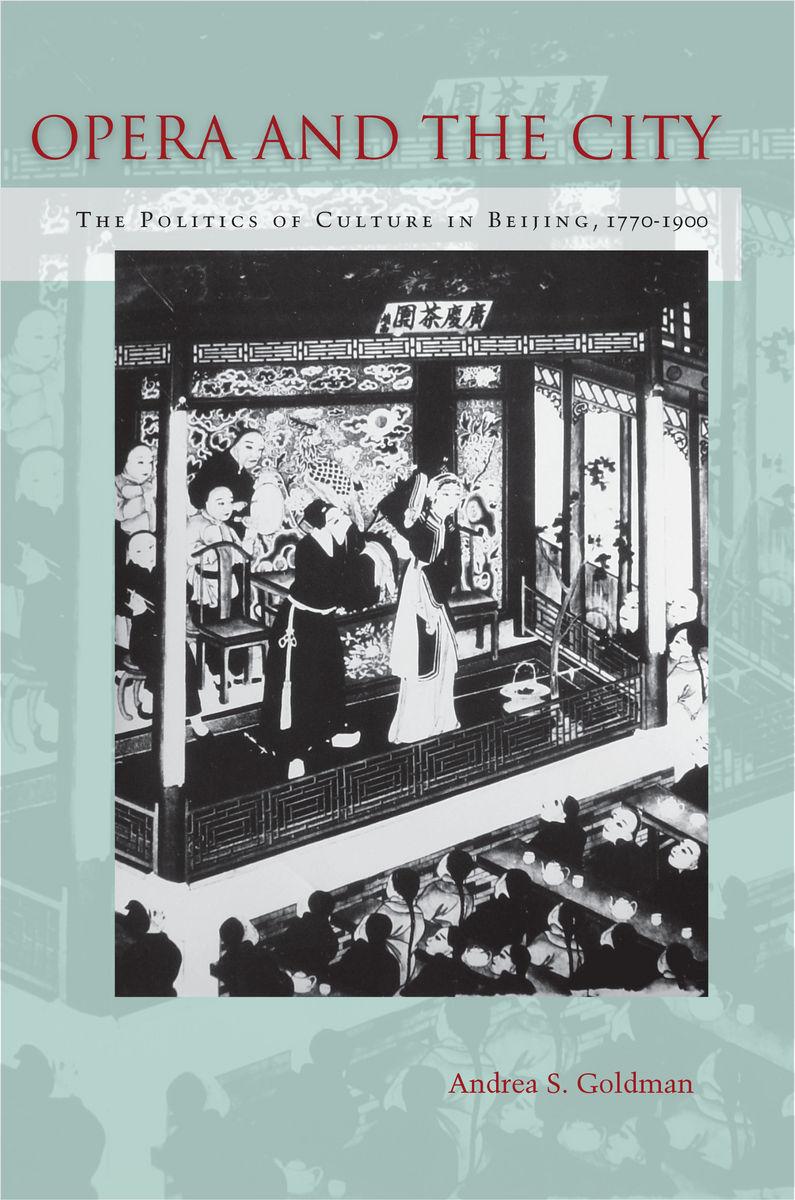
In late imperial China, opera transmitted ideas across the social hierarchy about the self, family, society, and politics. Beijing attracted a diverse array of opera genres and audiences and, by extension, served as a hub for the diffusion of cultural values.
It is in this context that historian Andrea S. Goldman harnesses opera as a lens through which to examine urban cultural history. Her meticulous yet playful account takes up the multiplicity of opera types that proliferated at the time, exploring them as contested sites through which the Qing court and commercial playhouses negotiated influence and control over the social and moral order. Opera performance blurred lines between public and private life, and offered a stage on which to act out gender and class transgressions. This work illuminates how the state and various urban constituencies manipulated opera to their own ends, and sheds light on empire-wide transformations underway at the time.
Płać wygodnie kartą, Klarną, Apple Pay lub Google Pay. Nie jesteś zadowolony? Zawsze masz 14-dniową gwarancję zwrotu pieniędzy. Więcej przeczytasz w naszych warunkach. Masz pytania? Napisz do nas na hello@memmo.org.
Memmo ułatwia naukę – gdziekolwiek jesteś na świecie. U nas znajdziesz podręczniki i sprytne narzędzia do nauki w jednym miejscu: streszczenia, quizy, podcasty i fiszki. A do tego Ted, Twój kumpel do nauki, który odpowie na wszystko, co Cię nurtuje. Ponad 50 000 studentów już tu się uczy – stworzone, byś uczył się szybciej i mniej stresował.