
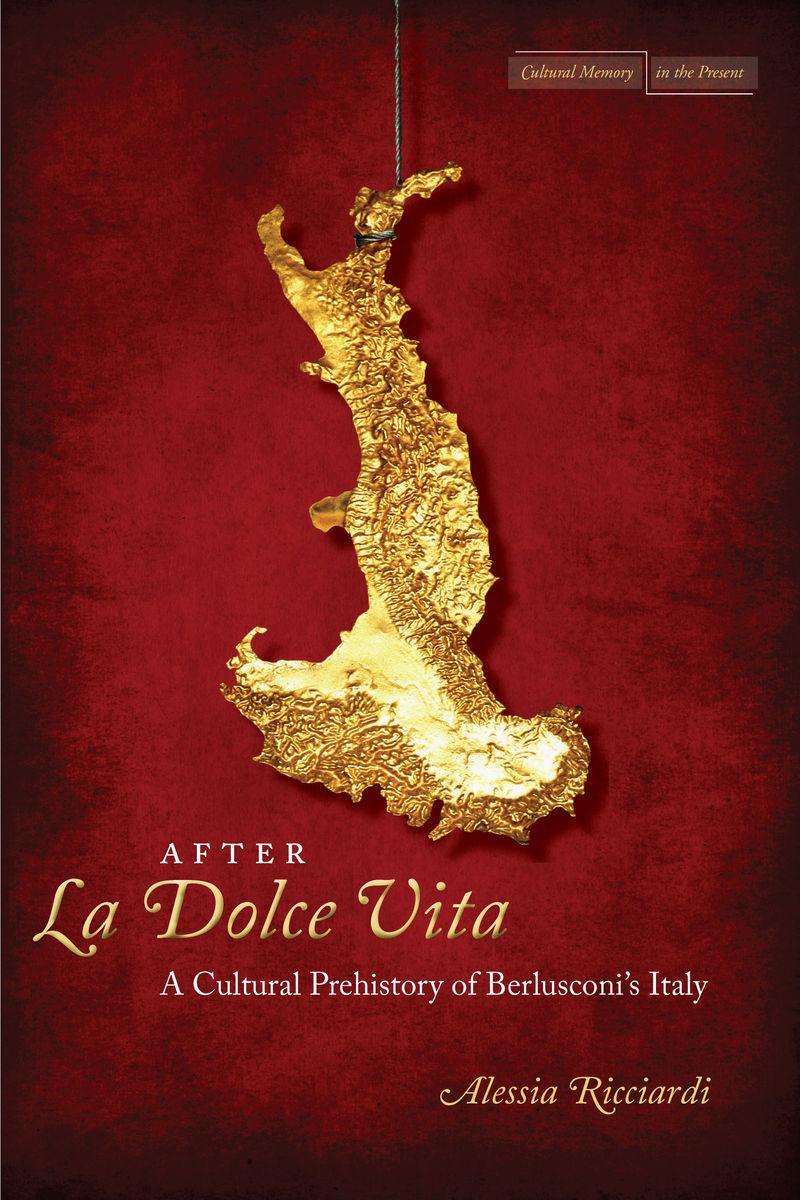
This book chronicles the demise of the supposedly leftist Italian cultural establishment during the long 1980s. During that time, the nation's literary and intellectual vanguard managed to lose the prominence handed it after the end of World War II and the defeat of Fascism. What emerged instead was a uniquely Italian brand of cultural capital that deliberately avoided any critical questioning of the prevailing order. Ricciardi criticizes the development of this new hegemonic arrangement in film, literature, philosophy, and art criticism. She focuses on several turning points: Fellini's futile, late-career critique of Berlusconi-style commercial television, Calvino's late turn to reactionary belletrism, Vattimo's nihilist and conservative responses to French poststructuralism, and Bonito Oliva's movement of art commodification, Transavanguardia.
Płać wygodnie kartą, Klarną, Apple Pay lub Google Pay. Nie jesteś zadowolony? Zawsze masz 14-dniową gwarancję zwrotu pieniędzy. Więcej przeczytasz w naszych warunkach. Masz pytania? Napisz do nas na hello@memmo.org.
Memmo ułatwia naukę – gdziekolwiek jesteś na świecie. U nas znajdziesz podręczniki i sprytne narzędzia do nauki w jednym miejscu: streszczenia, quizy, podcasty i fiszki. A do tego Ted, Twój kumpel do nauki, który odpowie na wszystko, co Cię nurtuje. Ponad 50 000 studentów już tu się uczy – stworzone, byś uczył się szybciej i mniej stresował.