
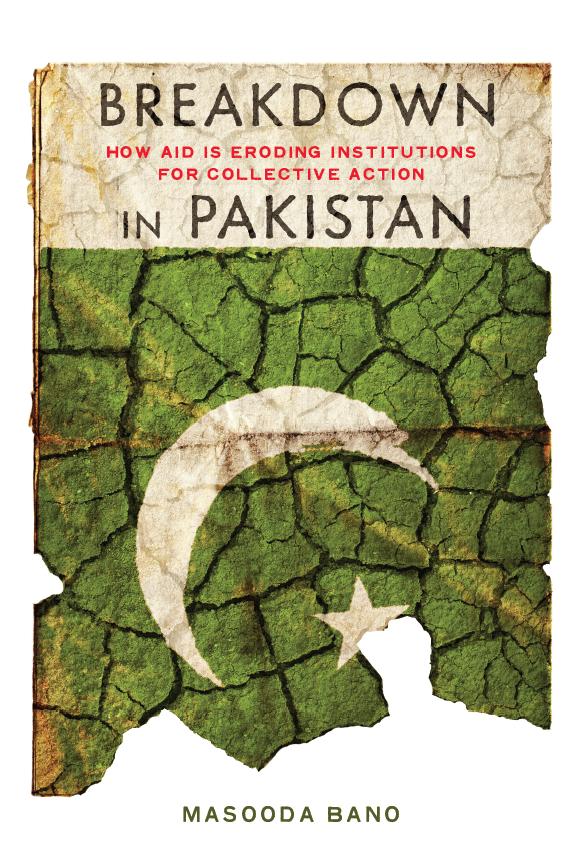
Thirty percent of foreign development aid is channeled through NGOs or community-based organizations to improve service delivery to the poor, build social capital, and establish democracy in developing nations. However, growing evidence suggests that aid often erodes, rather than promotes, cooperation within developing nations. This book presents a rare, micro level account of the complex decision-making processes that bring individuals together to form collective-action platforms. It then examines why aid often breaks down the very institutions for collective action that it aims to promote.
Breakdown in Pakistan identifies concrete measures to check the erosion of cooperation in foreign aid scenarios. Pakistan is one of the largest recipients of international development aid, and therefore the empirical details presented are particularly relevant for policy. The book's argument is equally applicable to a number of other developing countries, and has important implications for recent discussions within the field of economics.
Płać wygodnie kartą, Klarną, Apple Pay lub Google Pay. Nie jesteś zadowolony? Zawsze masz 14-dniową gwarancję zwrotu pieniędzy. Więcej przeczytasz w naszych warunkach. Masz pytania? Napisz do nas na hello@memmo.org.
Memmo ułatwia naukę – gdziekolwiek jesteś na świecie. U nas znajdziesz podręczniki i sprytne narzędzia do nauki w jednym miejscu: streszczenia, quizy, podcasty i fiszki. A do tego Ted, Twój kumpel do nauki, który odpowie na wszystko, co Cię nurtuje. Ponad 50 000 studentów już tu się uczy – stworzone, byś uczył się szybciej i mniej stresował.