
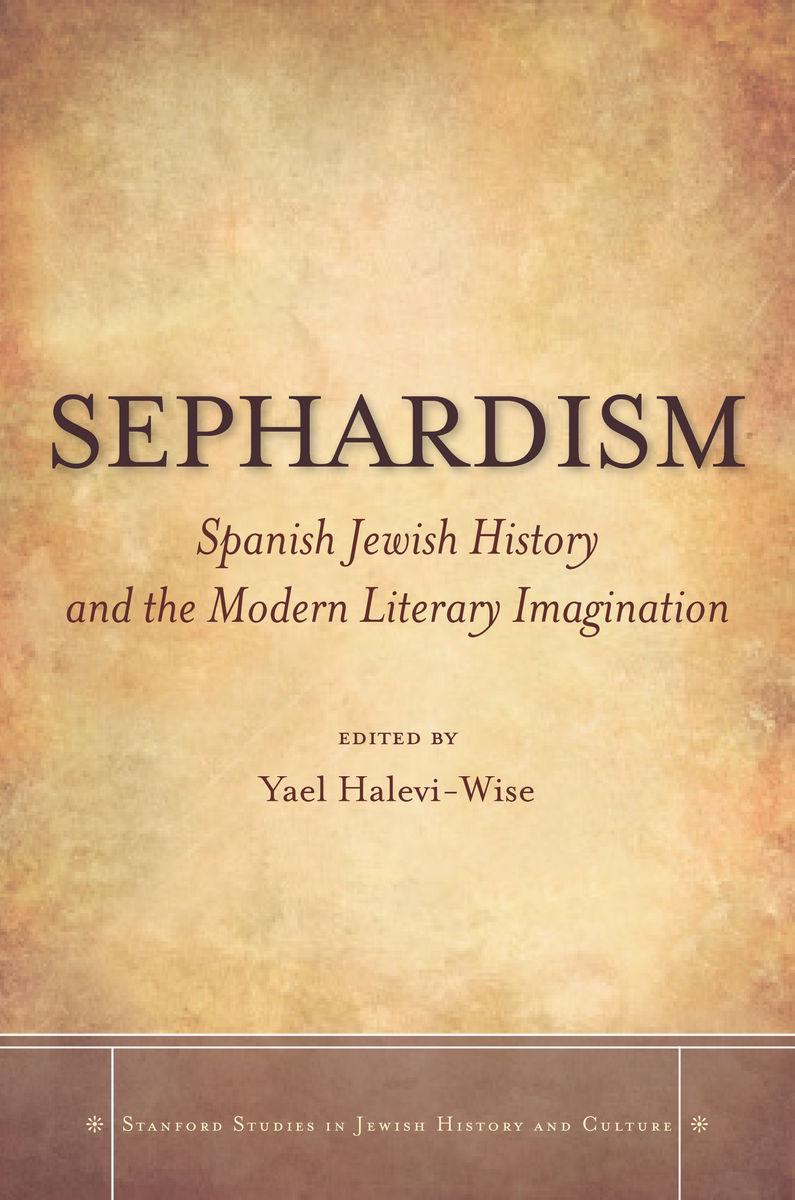
In this book, Sephardism is defined not as an expression of Sephardic identity but as a politicized literary metaphor. Since the nineteenth century, this metaphor has occurred with extraordinary frequency in works by authors from a variety of ethnicities, religions, and nationalities in Europe, the Americas, North Africa, Israel, and even India.
Sephardism asks why Gentile and Jewish writers and cultural figures have chosen to draw upon the medieval Sephardic experience to express their concerns about dissidents and minorities in modern nations? To what extent does their use of Sephardism overlap with other politicized discourses such as orientalism, hispanism, and medievalism, which also emerged from a clash between authoritarian, progressive, and romantic ideologies? This book brings a new approach to Sephardic Studies by situating it at a crossroads between Jewish Studies and Hispanic Studies in ways that enhance our appreciation of how historical fiction and political history have shaped, and were shaped by, historical attitudes toward Jews and their representation.
Płać wygodnie kartą, Klarną, Apple Pay lub Google Pay. Nie jesteś zadowolony? Zawsze masz 14-dniową gwarancję zwrotu pieniędzy. Więcej przeczytasz w naszych warunkach. Masz pytania? Napisz do nas na hello@memmo.org.
Memmo ułatwia naukę – gdziekolwiek jesteś na świecie. U nas znajdziesz podręczniki i sprytne narzędzia do nauki w jednym miejscu: streszczenia, quizy, podcasty i fiszki. A do tego Ted, Twój kumpel do nauki, który odpowie na wszystko, co Cię nurtuje. Ponad 50 000 studentów już tu się uczy – stworzone, byś uczył się szybciej i mniej stresował.