
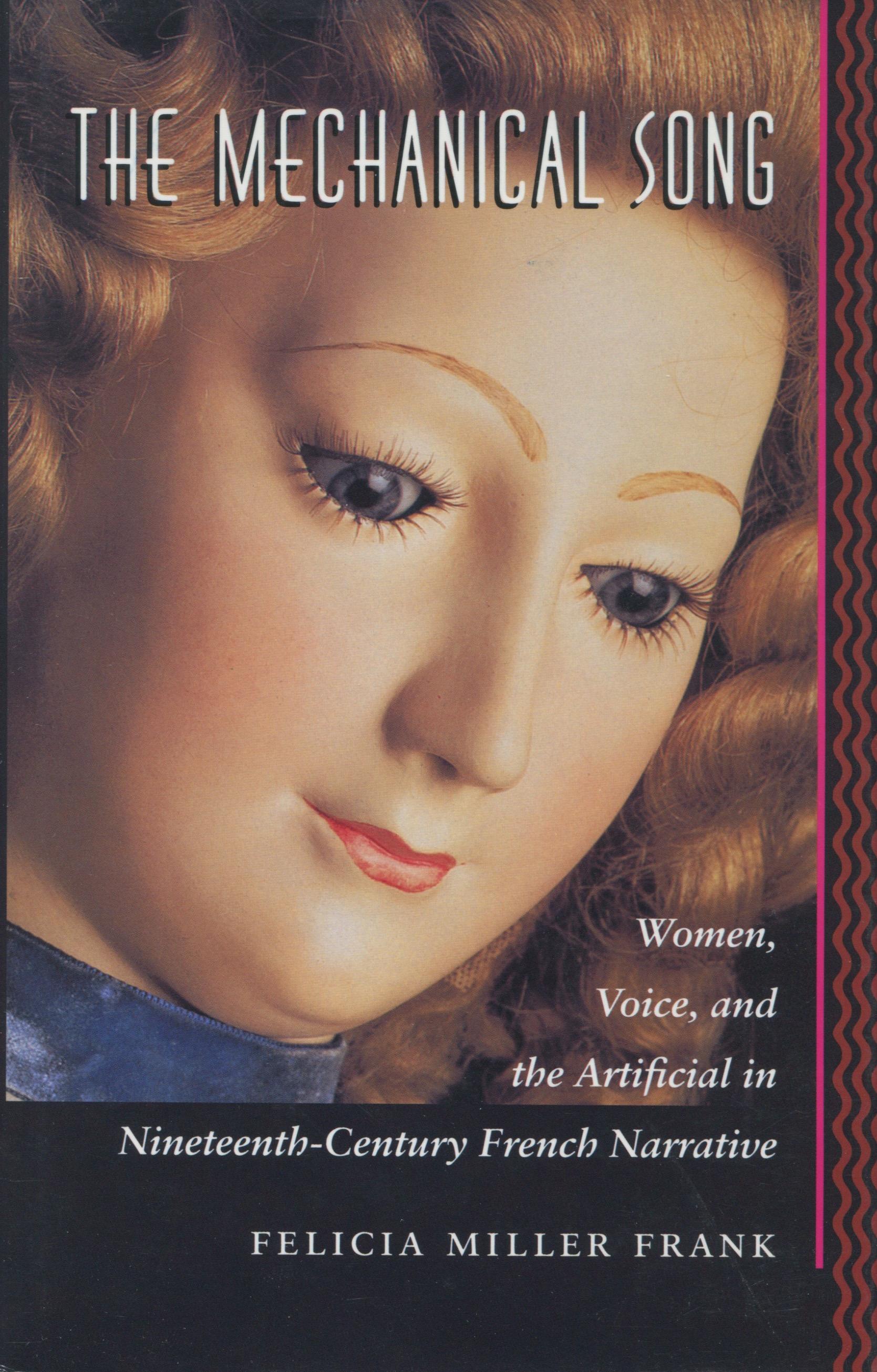
Examining the privileged relation of women to the singing voice in nineteenth-century literary works, the author argues for an emerging identification between women and artifice in the period. Beginning with texts by Rousseau and Proust that show a link between nostalgia for the maternal voice and the writer's self, the book then turns to the psychoanalytic literature on the role of the voice in the formation of the psyche. In the process, it analyses feminist polemics on the maternal voice to show how voice and rhythm together form the matrices of the subject. The voice of the soprano occupied a special place in nineteenth-century operatic history, replacing the castrato voice as a sexless, angelic, ethereal source of pleasure for the opera-goer. The author shows how these qualities are identified with women's voices in literary texts by Sand, Balzac, du Maurier and Nerval.
Płać wygodnie kartą, Klarną, Apple Pay lub Google Pay. Nie jesteś zadowolony? Zawsze masz 14-dniową gwarancję zwrotu pieniędzy. Więcej przeczytasz w naszych warunkach. Masz pytania? Napisz do nas na hello@memmo.org.
Memmo ułatwia naukę – gdziekolwiek jesteś na świecie. U nas znajdziesz podręczniki i sprytne narzędzia do nauki w jednym miejscu: streszczenia, quizy, podcasty i fiszki. A do tego Ted, Twój kumpel do nauki, który odpowie na wszystko, co Cię nurtuje. Ponad 50 000 studentów już tu się uczy – stworzone, byś uczył się szybciej i mniej stresował.