
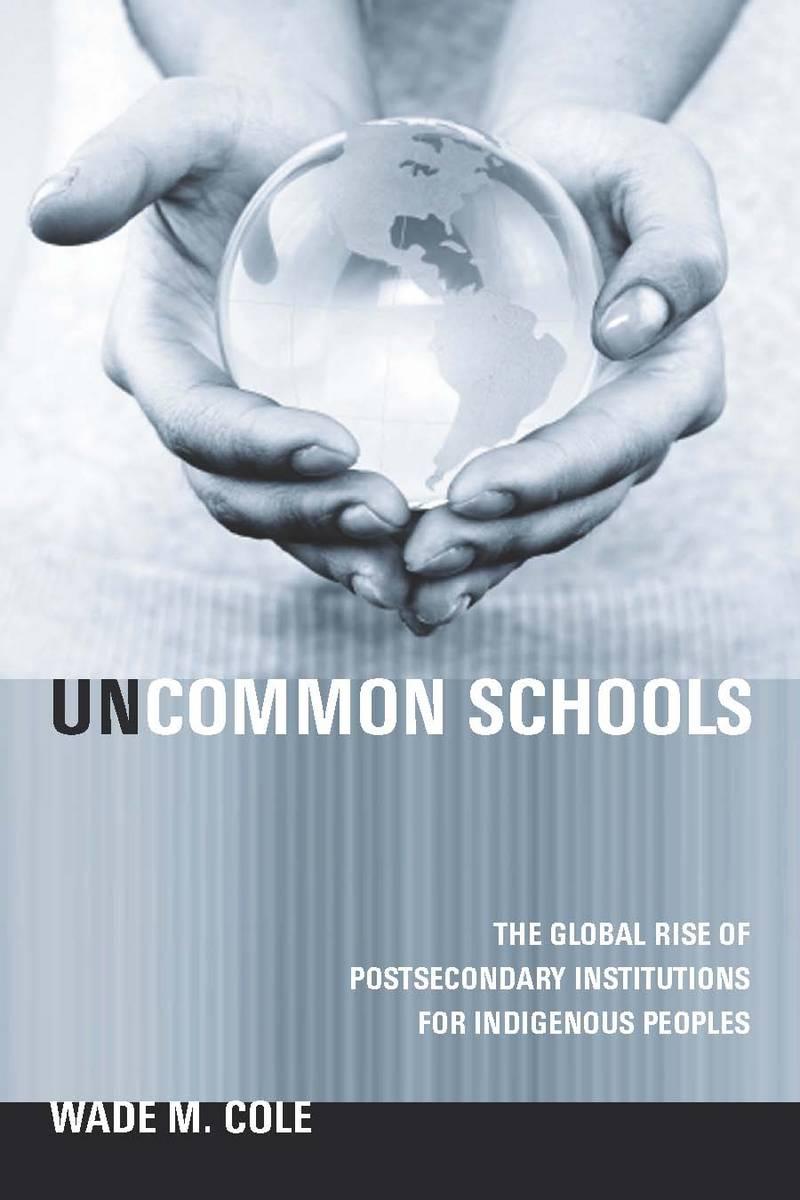
Postsecondary institutions for indigenous peoples emerged in the late 1960s, just as other special purpose colleges based on gender or race began to close. What accounts for the emergence of these distinctive institutions? Though indigenous students are among the least populous, the poorest, and the most educationally disadvantaged in the world, they differ from most other racial, ethnic, cultural, and linguistic minorities by virtue of their exceptional claims to sovereignty under international and domestic law.
Uncommon Schools explores the emergence of postsecondary institutions for indigenous peoples worldwide, with a focus on developments in the United States, Canada, Australia, and New Zealand. Providing the opportunity to examine larger social, political, and legal processes, it traces the incorporation of indigenous peoples into nation-states, the rise of a global indigenous rights movement, and the "massification" of postsecondary education while investigating the variety of ways these culturally relevant colleges differ from each other and from other postsecondary institutions.
Płać wygodnie kartą, Klarną, Apple Pay lub Google Pay. Nie jesteś zadowolony? Zawsze masz 14-dniową gwarancję zwrotu pieniędzy. Więcej przeczytasz w naszych warunkach. Masz pytania? Napisz do nas na hello@memmo.org.
Memmo ułatwia naukę – gdziekolwiek jesteś na świecie. U nas znajdziesz podręczniki i sprytne narzędzia do nauki w jednym miejscu: streszczenia, quizy, podcasty i fiszki. A do tego Ted, Twój kumpel do nauki, który odpowie na wszystko, co Cię nurtuje. Ponad 50 000 studentów już tu się uczy – stworzone, byś uczył się szybciej i mniej stresował.