
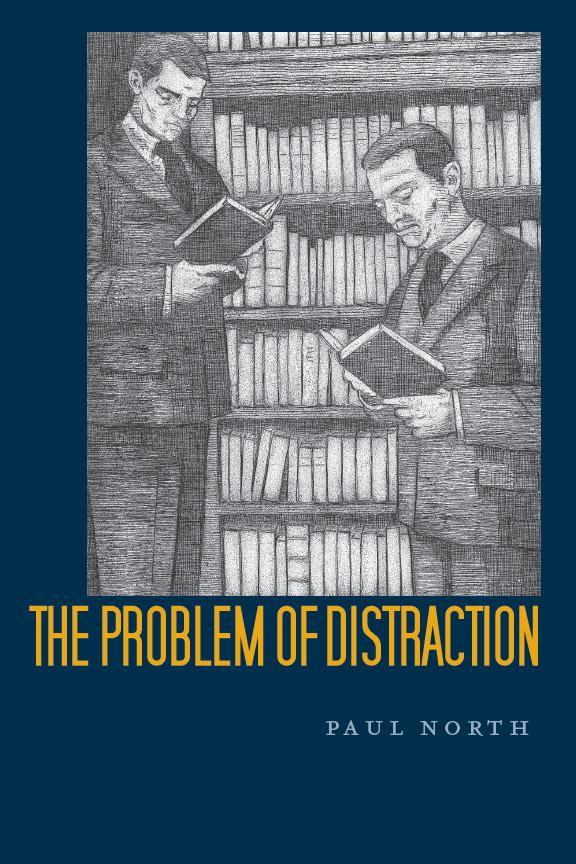
We live in an age of distraction. Contemporary analyses of culture, politics, techno-science, and psychology insist on this. They often suggest remedies for it, or ways to capitalize on it. Yet they almost never investigate the meaning and history of distraction itself. This book corrects this lack of attention. It inquires into the effects of distraction, defined not as the opposite of attention, but as truly discontinuous intellect. Human being has to be reconceived, according to this argument, not as quintessentially thought-bearing, but as subject to repeated, causeless blackouts of mind.
The Problem of Distraction presents the first genealogy of the concept from Aristotle to the largely forgotten, early twentieth-century efforts by Kafka, Heidegger, and Benjamin to revolutionize the humanities by means of distraction. Further, the book makes the case that our present troubles cannot be solved by recovering or enhancing attention. Not-always-thinking beings are beset by radical breaks in their experience, but in this way they are also receptive to what has not and cannot yet be called experience.
Płać wygodnie kartą, Klarną, Apple Pay lub Google Pay. Nie jesteś zadowolony? Zawsze masz 14-dniową gwarancję zwrotu pieniędzy. Więcej przeczytasz w naszych warunkach. Masz pytania? Napisz do nas na hello@memmo.org.
Memmo ułatwia naukę – gdziekolwiek jesteś na świecie. U nas znajdziesz podręczniki i sprytne narzędzia do nauki w jednym miejscu: streszczenia, quizy, podcasty i fiszki. A do tego Ted, Twój kumpel do nauki, który odpowie na wszystko, co Cię nurtuje. Ponad 50 000 studentów już tu się uczy – stworzone, byś uczył się szybciej i mniej stresował.