
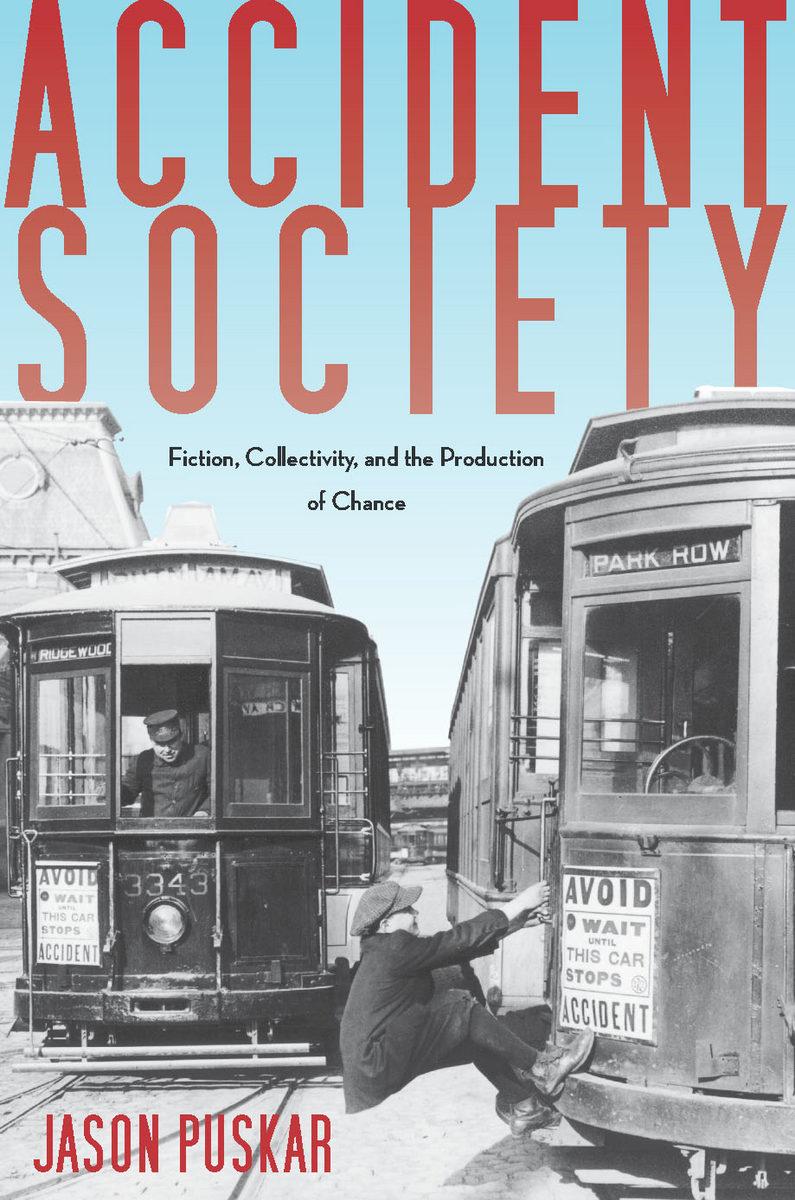
This book argues that language and literature actively produced chance in the late nineteenth and early twentieth centuries by categorizing injuries and losses as innocent of design. Automobile collisions and occupational injuries became "car accidents" and "industrial accidents." During the post-Civil War period of racial, ethnic, and class-based hostility, chance was an abstract enemy against which society might unite. By producing chance, novels by William Dean Howells, Stephen Crane, Anna Katharine Green, Edith Wharton, Theodore Dreiser, and James Cain documented and helped establish new modes of collective interdependence. Chance here is connected not with the competitive individualism of the Gilded Age, but with important progressive and social democratic reforms, including developments in insurance, which had long employed accident narratives to shape its own "mutual society." Accident Society reveals the extent to which American collectivity has depended—and continues to depend—on the literary production of chance.
Płać wygodnie kartą, Klarną, Apple Pay lub Google Pay. Nie jesteś zadowolony? Zawsze masz 14-dniową gwarancję zwrotu pieniędzy. Więcej przeczytasz w naszych warunkach. Masz pytania? Napisz do nas na hello@memmo.org.
Memmo ułatwia naukę – gdziekolwiek jesteś na świecie. U nas znajdziesz podręczniki i sprytne narzędzia do nauki w jednym miejscu: streszczenia, quizy, podcasty i fiszki. A do tego Ted, Twój kumpel do nauki, który odpowie na wszystko, co Cię nurtuje. Ponad 50 000 studentów już tu się uczy – stworzone, byś uczył się szybciej i mniej stresował.