
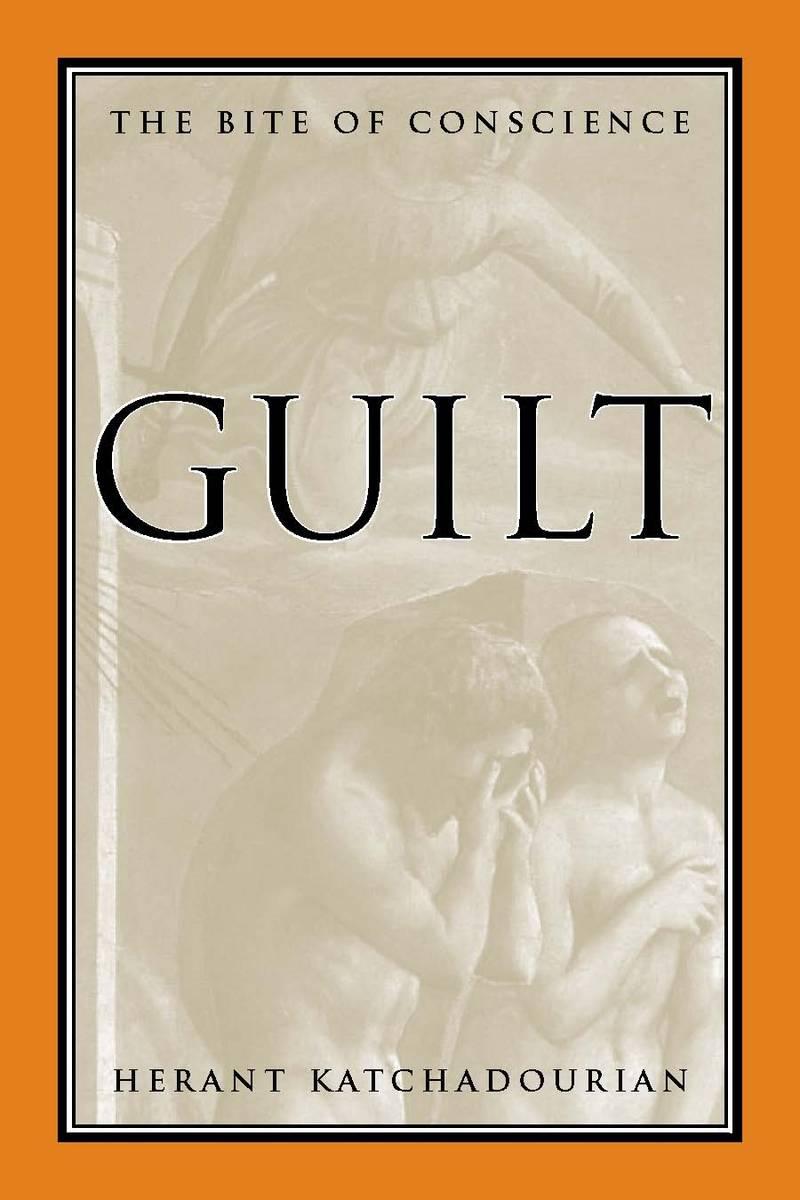
This is the first study of guilt from a wide variety of perspectives: psychology, psychiatry, psychoanalysis, evolutionary psychology, anthropology, six major religions, four key moral philosophers, and the law. Katchadourian explores the ways in which guilt functions within individual lives and intimate relationships, looking at behaviors that typically induce guilt in both historical and modern contexts. He examines how the capacity for moral judgments develops within individuals and through evolutionary processes. He then turns to the socio-cultural aspects of guilt and addresses society's attempts to come to terms with guilt as culpability through the legal process.
This personal work draws from, and integrates, material from extensive primary and secondary literature. Through the extensive use of literary and personal accounts, it provides an intimate picture of what it is like to experience this universal emotion. Written in clear and engaging prose, with a touch of humor, Guilt should appeal to a wide audience.
Płać wygodnie kartą, Klarną, Apple Pay lub Google Pay. Nie jesteś zadowolony? Zawsze masz 14-dniową gwarancję zwrotu pieniędzy. Więcej przeczytasz w naszych warunkach. Masz pytania? Napisz do nas na hello@memmo.org.
Memmo ułatwia naukę – gdziekolwiek jesteś na świecie. U nas znajdziesz podręczniki i sprytne narzędzia do nauki w jednym miejscu: streszczenia, quizy, podcasty i fiszki. A do tego Ted, Twój kumpel do nauki, który odpowie na wszystko, co Cię nurtuje. Ponad 50 000 studentów już tu się uczy – stworzone, byś uczył się szybciej i mniej stresował.