
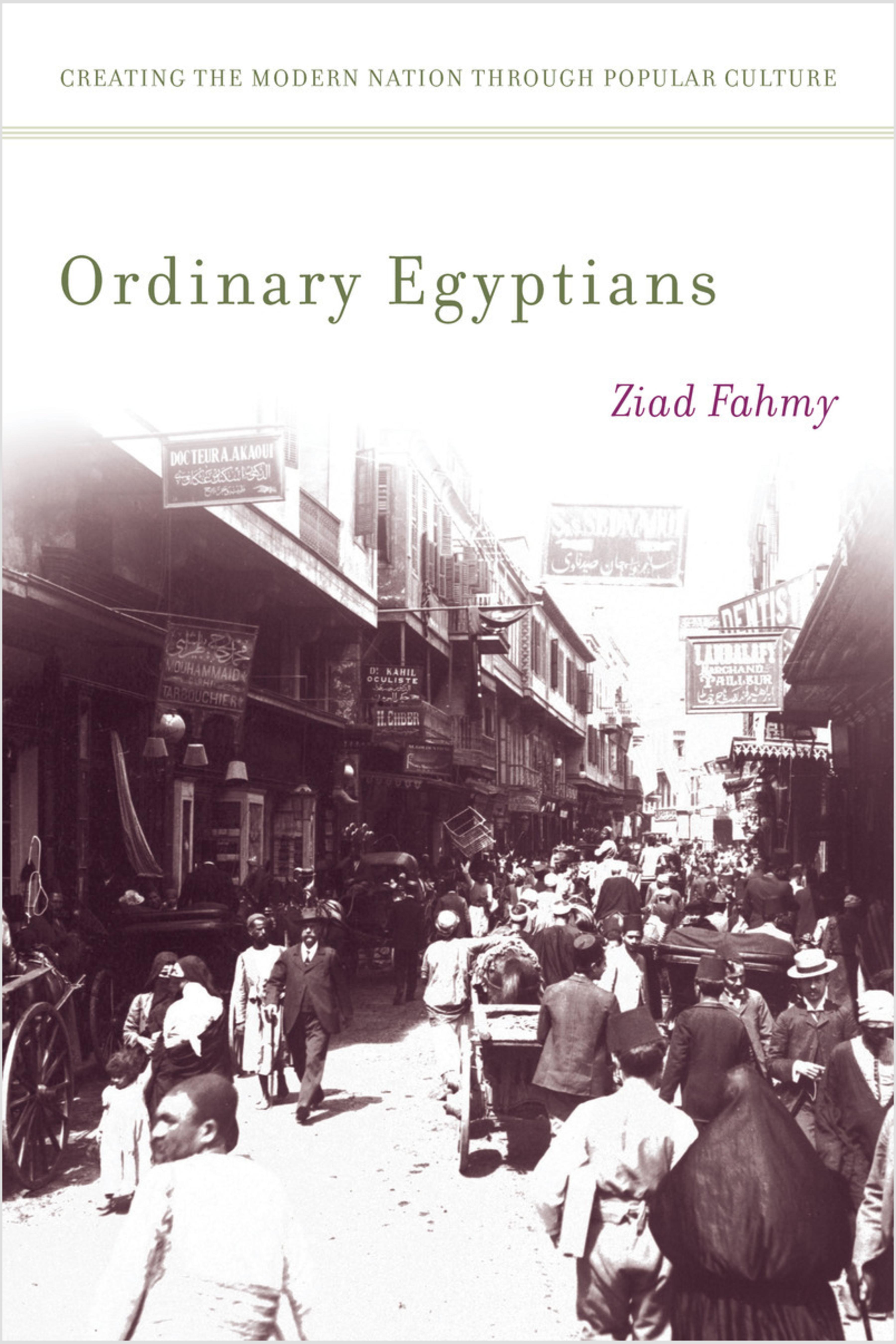
The popular culture of pre-revolution Egypt did more than entertain—it created a nation. Songs, jokes, and satire, comedic sketches, plays, and poetry, all provided an opportunity for discussion and debate about national identity and an outlet for resistance to British and elite authority. This book examines how, from the 1870s until the eve of the 1919 revolution, popular media and culture provided ordinary Egyptians with a framework to construct and negotiate a modern national identity.
Ordinary Egyptians shifts the typical focus of study away from the intellectual elite to understand the rapid politicization of the growing literate middle classes and brings the semi-literate and illiterate urban masses more fully into the historical narrative. It introduces the concept of "media-capitalism," which expands the analysis of nationalism beyond print alone to incorporate audiovisual and performance media. It was through these various media that a collective camaraderie crossing class lines was formed and, as this book uncovers, an Egyptian national identity emerged.
Płać wygodnie kartą, Klarną, Apple Pay lub Google Pay. Nie jesteś zadowolony? Zawsze masz 14-dniową gwarancję zwrotu pieniędzy. Więcej przeczytasz w naszych warunkach. Masz pytania? Napisz do nas na hello@memmo.org.
Memmo ułatwia naukę – gdziekolwiek jesteś na świecie. U nas znajdziesz podręczniki i sprytne narzędzia do nauki w jednym miejscu: streszczenia, quizy, podcasty i fiszki. A do tego Ted, Twój kumpel do nauki, który odpowie na wszystko, co Cię nurtuje. Ponad 50 000 studentów już tu się uczy – stworzone, byś uczył się szybciej i mniej stresował.