
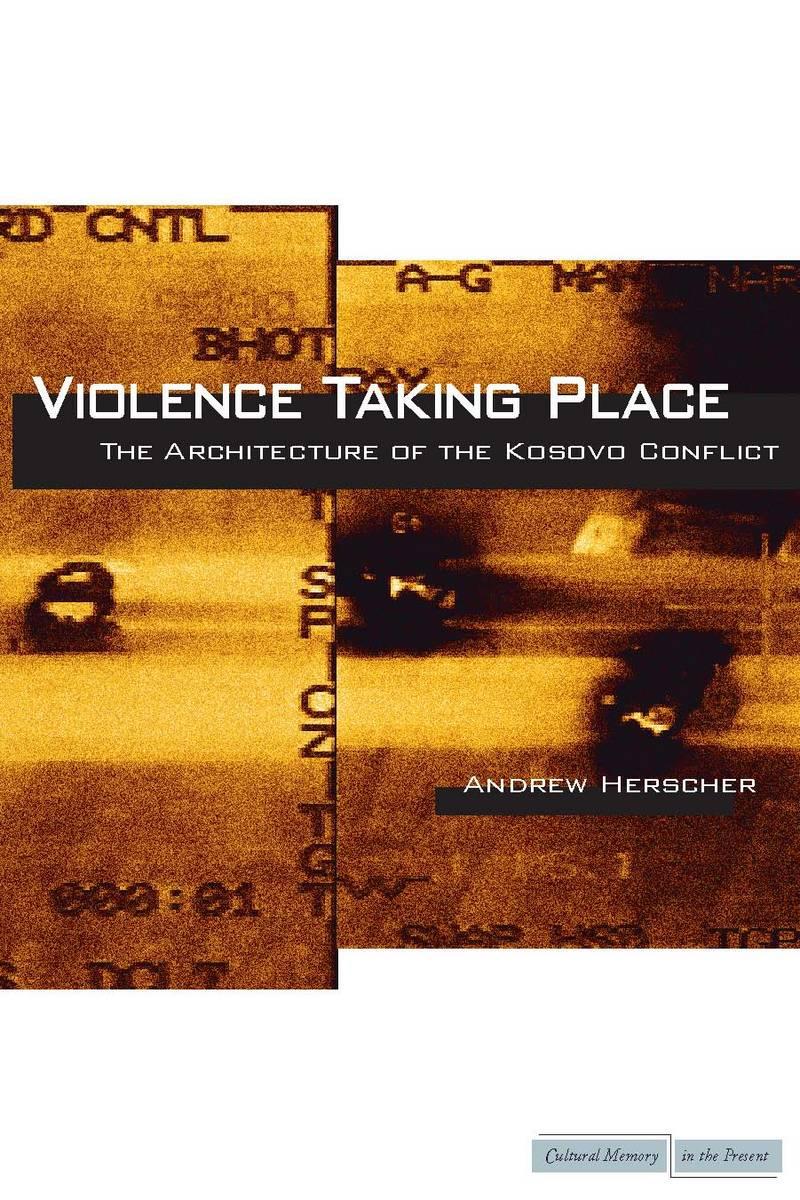
While the construction of architecture has a place in architectural discourse, its destruction, generally seen as incompatible with the very idea of "culture," has been neglected in theoretical and historical discussion. Responding to this neglect, Herscher examines the case of the former Yugoslavia and in particular, Kosovo, where targeting architecture has been a prominent dimension of political violence. Rather than interpreting violence against architecture as a mere representation of "deeper" social, political, or ideological dynamics, Herscher reveals it to be a form of cultural production, irreducible to its contexts and formative of the identities and agencies that seemingly bear on it as causes. Focusing on the particular sites where violence is inflicted and where its subjects and objects are articulated, the book traces the intersection of violence and architecture from socialist modernization, through ethnic and nationalist conflict, to postwar reconstruction.
Płać wygodnie kartą, Klarną, Apple Pay lub Google Pay. Nie jesteś zadowolony? Zawsze masz 14-dniową gwarancję zwrotu pieniędzy. Więcej przeczytasz w naszych warunkach. Masz pytania? Napisz do nas na hello@memmo.org.
Memmo ułatwia naukę – gdziekolwiek jesteś na świecie. U nas znajdziesz podręczniki i sprytne narzędzia do nauki w jednym miejscu: streszczenia, quizy, podcasty i fiszki. A do tego Ted, Twój kumpel do nauki, który odpowie na wszystko, co Cię nurtuje. Ponad 50 000 studentów już tu się uczy – stworzone, byś uczył się szybciej i mniej stresował.