
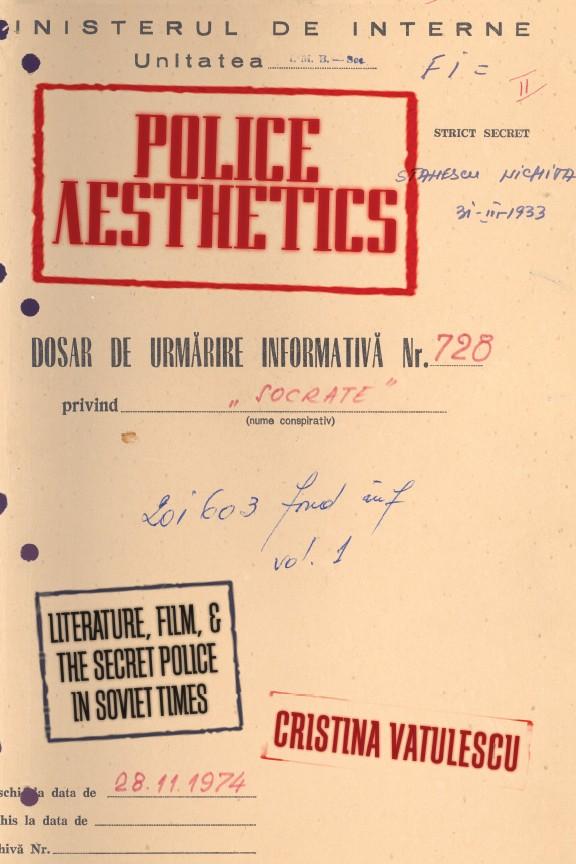
The documents emerging from the secret police archives of the former Soviet bloc have caused scandal after scandal, compromising revered cultural figures and abruptly ending political careers. Police Aesthetics offers a revealing and responsible approach to such materials. Taking advantage of the partial opening of the secret police archives in Russia and Romania, Vatulescu focuses on their most infamous holdings—the personal files—as well as on movies the police sponsored, scripted, or authored. Through the archives, she gains new insights into the writing of literature and raises new questions about the ethics of reading. She shows how police files and films influenced literature and cinema, from autobiographies to novels, from high-culture classics to avant-garde experiments and popular blockbusters. In so doing, she opens a fresh chapter in the heated debate about the relationship between culture and politics in twentieth-century police states.
Płać wygodnie kartą, Klarną, Apple Pay lub Google Pay. Nie jesteś zadowolony? Zawsze masz 14-dniową gwarancję zwrotu pieniędzy. Więcej przeczytasz w naszych warunkach. Masz pytania? Napisz do nas na hello@memmo.org.
Memmo ułatwia naukę – gdziekolwiek jesteś na świecie. U nas znajdziesz podręczniki i sprytne narzędzia do nauki w jednym miejscu: streszczenia, quizy, podcasty i fiszki. A do tego Ted, Twój kumpel do nauki, który odpowie na wszystko, co Cię nurtuje. Ponad 50 000 studentów już tu się uczy – stworzone, byś uczył się szybciej i mniej stresował.