
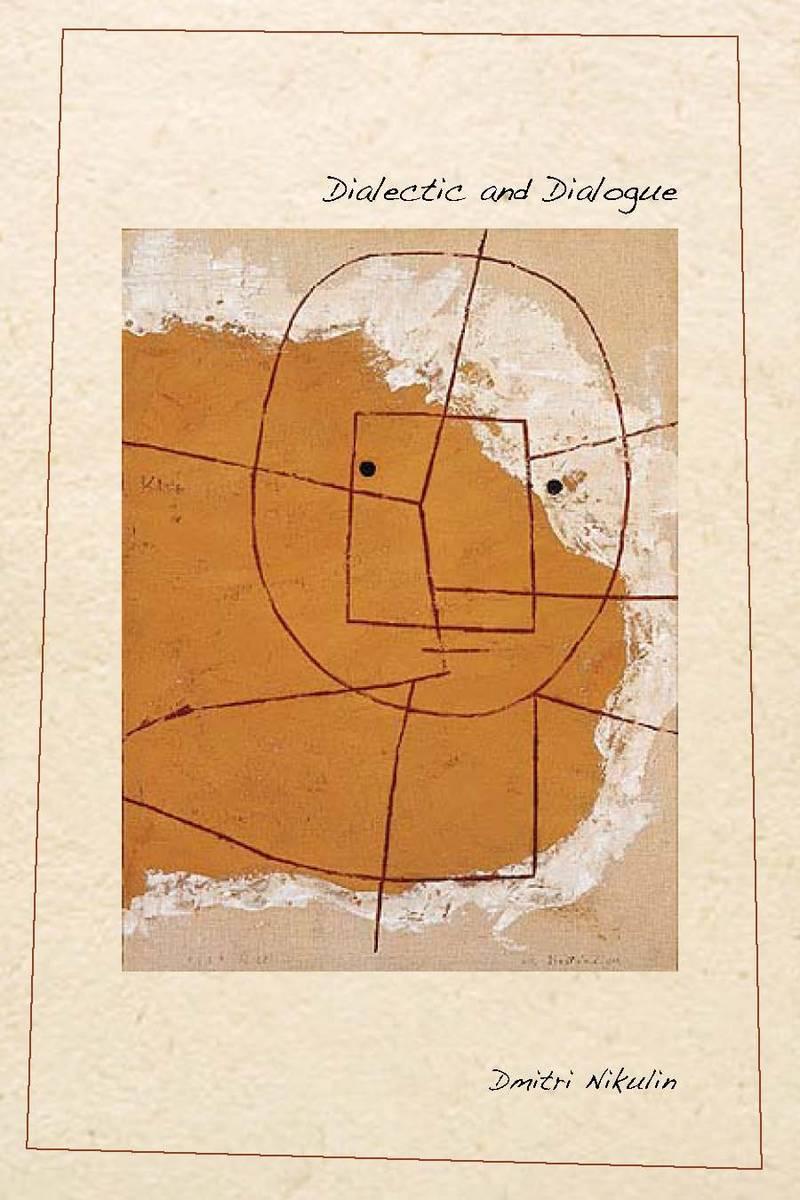
This book considers the emergence of dialectic out of the spirit of dialogue and traces the relation between the two. It moves from Plato, for whom dialectic is necessary to destroy incorrect theses and attain thinkable being, to Cusanus, to modern philosophers—Descartes, Kant, Hegel, Schleiermacher and Gadamer, for whom dialectic becomes the driving force behind the constitution of a rational philosophical system. Conceived as a logical enterprise, dialectic strives to liberate itself from dialogue, which it views as merely accidental and even disruptive of thought, in order to become a systematic or scientific method. The Cartesian autonomous and universal yet utterly monological and lonely subject requires dialectic alone to reason correctly, yet dialogue, despite its unfinalizable and interruptive nature, is what constitutes the human condition.
Płać wygodnie kartą, Klarną, Apple Pay lub Google Pay. Nie jesteś zadowolony? Zawsze masz 14-dniową gwarancję zwrotu pieniędzy. Więcej przeczytasz w naszych warunkach. Masz pytania? Napisz do nas na hello@memmo.org.
Memmo ułatwia naukę – gdziekolwiek jesteś na świecie. U nas znajdziesz podręczniki i sprytne narzędzia do nauki w jednym miejscu: streszczenia, quizy, podcasty i fiszki. A do tego Ted, Twój kumpel do nauki, który odpowie na wszystko, co Cię nurtuje. Ponad 50 000 studentów już tu się uczy – stworzone, byś uczył się szybciej i mniej stresował.