
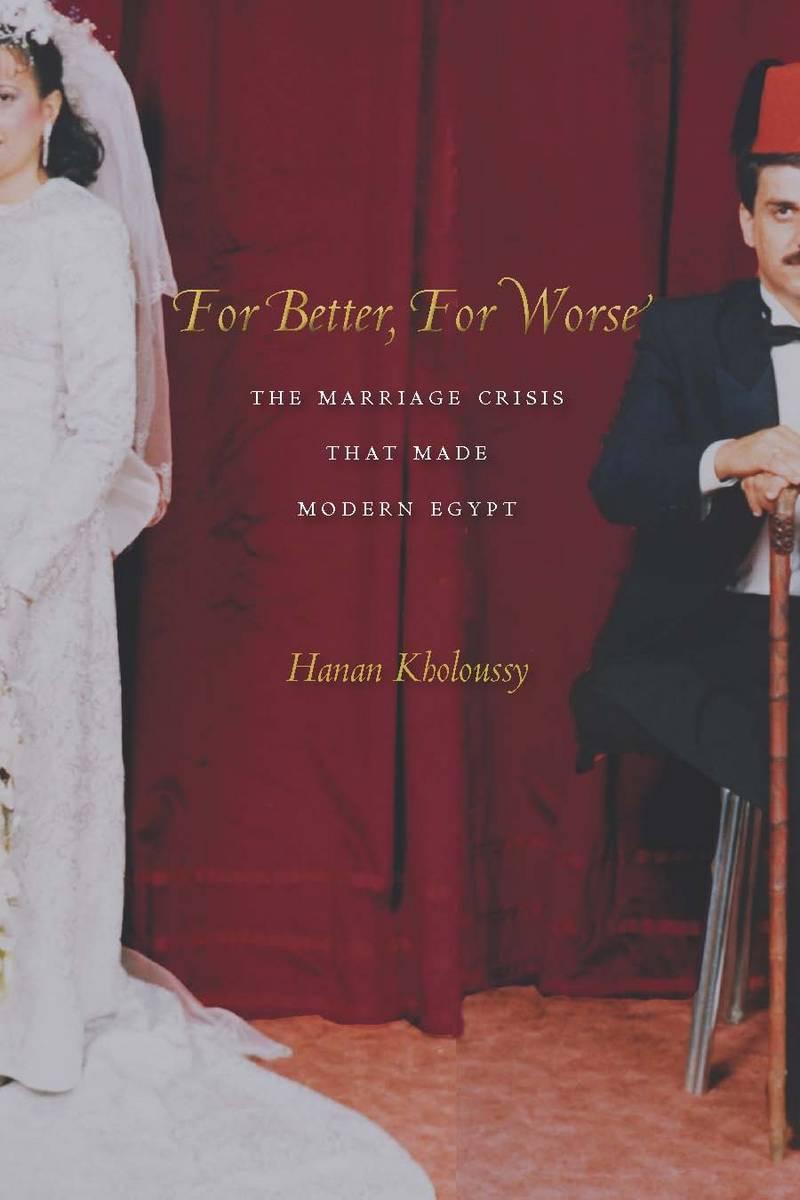
For many Egyptians in the early twentieth century, the biggest national problem was not British domination or the Great Depression but a "marriage crisis" heralded in the press as a devastating rise in the number of middle-class men refraining from marriage. Voicing anxieties over a presumed increase in bachelorhood, Egyptians also used the failings of Egyptian marriage to criticize British rule, unemployment, the disintegration of female seclusion, the influx of women into schools, middle-class materialism, and Islamic laws they deemed incompatible with modernity.
For Better, For Worse explores how marriage became the lens through which Egyptians critiqued larger socioeconomic and political concerns. Delving into the vastly different portrayals and practices of marriage in both the press and the Islamic court records, this innovative look at how Egyptians understood marital and civil rights and duties during the early twentieth century offers fresh insights into ongoing debates about nationalism, colonialism, gender, and the family.
Płać wygodnie kartą, Klarną, Apple Pay lub Google Pay. Nie jesteś zadowolony? Zawsze masz 14-dniową gwarancję zwrotu pieniędzy. Więcej przeczytasz w naszych warunkach. Masz pytania? Napisz do nas na hello@memmo.org.
Memmo ułatwia naukę – gdziekolwiek jesteś na świecie. U nas znajdziesz podręczniki i sprytne narzędzia do nauki w jednym miejscu: streszczenia, quizy, podcasty i fiszki. A do tego Ted, Twój kumpel do nauki, który odpowie na wszystko, co Cię nurtuje. Ponad 50 000 studentów już tu się uczy – stworzone, byś uczył się szybciej i mniej stresował.