
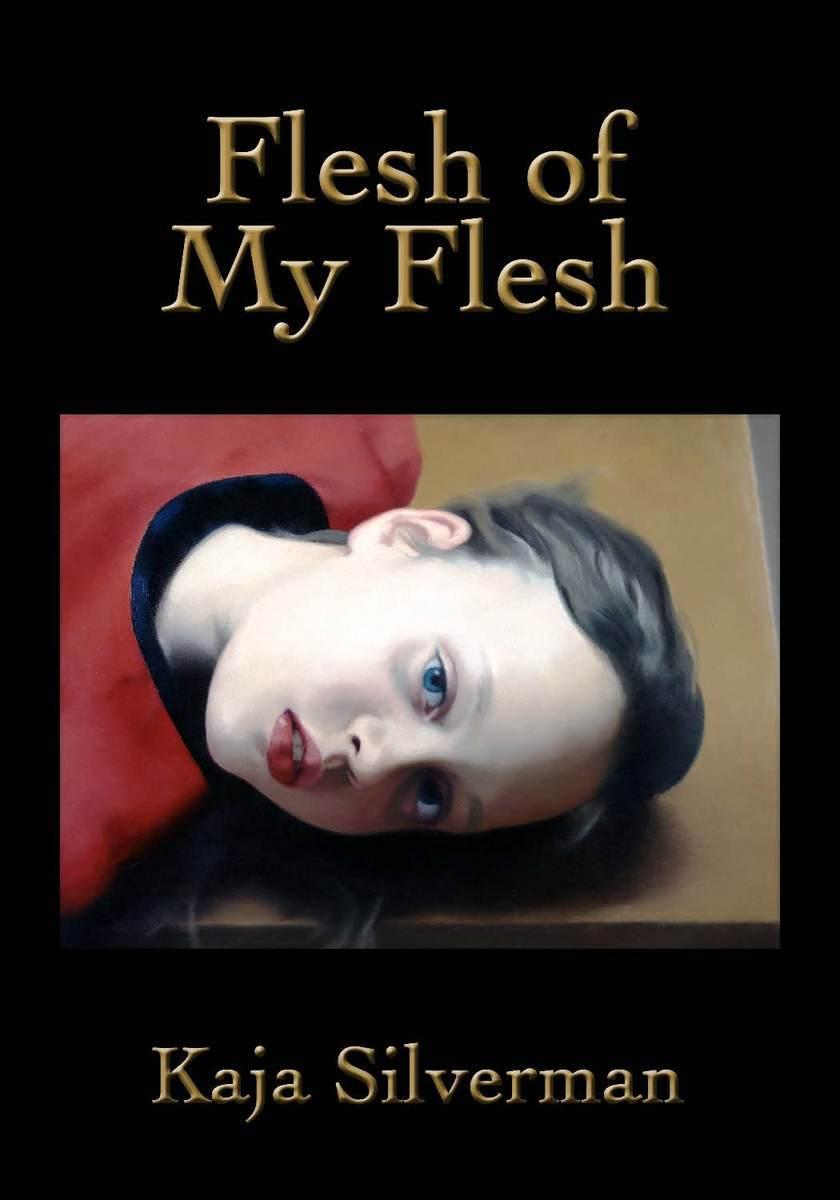
What is a woman? What is a man? How do they—and how should they—relate to each other? Does our yearning for "wholeness" refer to something real, and if there is a Whole, what is it, and why do we feel so estranged from it? For centuries now, art and literature have increasingly valorized uniqueness and self-sufficiency. The theoreticians who loom so large within contemporary thought also privilege difference over similarity. Silverman reminds us that this is but half the story, and a dangerous half at that, for if we are all individuals, we are doomed to be rivals and enemies. A much older story, one that prevailed through the early modern era, held that likeness or resemblance was what organized the universe, and that everything emerges out of the same flesh. Silverman shows that analogy, so discredited by much of twentieth-century thought, offers a much more promising view of human relations. In the West, the emblematic story of turning away is that of Orpheus and Eurydice, and the heroes of Silverman's sweeping new reading of nineteenth- and twentieth-century culture, the modern heirs to the old, analogical view of the world, also gravitate to this myth. They embrace the correspondences that bind Orpheus to Eurydice and acknowledge their kinship with others past and present. The first half of this book assembles a cast of characters not usually brought together: Friedrich Nietzsche, Sigmund Freud, Marcel Proust, Lou-Andréas Salomé, Romain Rolland, Rainer Maria Rilke, Wilhelm Jensen, and Paula Modersohn-Becker. The second half is devoted to three contemporary artists, whose works we see in a moving new light:Terrence Malick, James Coleman, and Gerhard Richter.
Płać wygodnie kartą, Klarną, Apple Pay lub Google Pay. Nie jesteś zadowolony? Zawsze masz 14-dniową gwarancję zwrotu pieniędzy. Więcej przeczytasz w naszych warunkach. Masz pytania? Napisz do nas na hello@memmo.org.
Memmo ułatwia naukę – gdziekolwiek jesteś na świecie. U nas znajdziesz podręczniki i sprytne narzędzia do nauki w jednym miejscu: streszczenia, quizy, podcasty i fiszki. A do tego Ted, Twój kumpel do nauki, który odpowie na wszystko, co Cię nurtuje. Ponad 50 000 studentów już tu się uczy – stworzone, byś uczył się szybciej i mniej stresował.